Murabyan: A Guide to the Gulf's Fragrant Shrimp and Rice Dish
A guide to Murabyan, the fragrant Gulf rice dish made with sweet local shrimp, spices and long-grain rice – a staple of home cooking in Kuwait, the UAE and beyond.
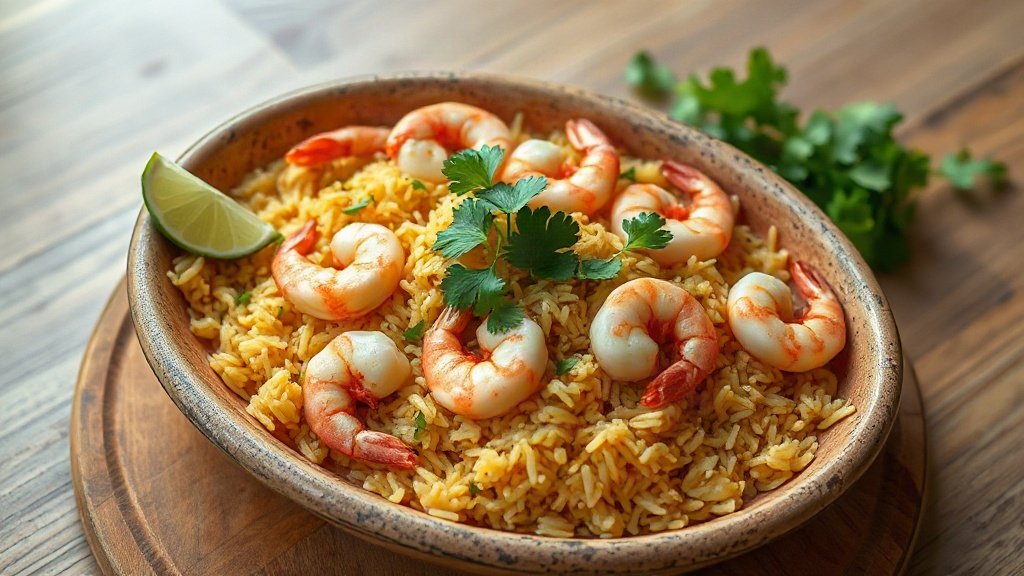
Illustration: AI-generated image
Murabyan is a comforting one-pot rice dish from the Arabian Gulf, where tender spiced rice meets sweet local shrimp. It is a staple of home cooking in Kuwait, the UAE and neighbouring states, and a dish that captures the region's love of fragrant, slow-cooked meals.
What is Murabyan?
Murabyan (also spelled murabbyan or marabyan) is a traditional Gulf rice dish made with small, sweet shrimp that are abundant in the warm waters of the Arabian Gulf. The name comes from the Arabic word for shrimp, rubyan or murabyan, depending on the dialect. Unlike many other Gulf rice dishes that feature lamb or chicken, murabyan puts seafood at the centre, making it a lighter yet deeply flavourful option.
The Key Ingredients
The heart of murabyan is the shrimp, which are usually left whole or halved and cooked until just tender. The rice is typically long-grain basmati or a local variety, and it is tinted and scented with a blend of spices that often includes turmeric, dried lime (loomi), cinnamon, cardamom and black pepper. Onions and garlic form the aromatic base, and many home cooks add a touch of tomato paste or fresh tomatoes for a subtle tang. Some versions also include a handful of chopped coriander or parsley for freshness.
How It Is Made
The preparation follows a familiar pattern in Gulf kitchens. First, the shrimp are quickly sautéed with spices and set aside so they stay juicy. Then onions are softened in ghee or oil, and the rice is added and toasted to absorb the flavours. Stock – often made from the shrimp shells for extra depth – is poured over, and the pot is covered and left to cook gently until the rice is fluffy. Near the end, the reserved shrimp are folded back in to warm through, and the dish is left to rest so the steam finishes the cooking.
Serving and Enjoying
Murabyan is usually served family-style, heaped onto a large platter and garnished with fresh herbs or sometimes fried onions. It is eaten with the right hand or a spoon, and it pairs beautifully with a simple salad of cucumber and tomato, a bowl of plain yoghurt, and a wedge of lime. In many homes, it is a regular weekday lunch, but it also appears at gatherings and special occasions, especially during fishing season when shrimp are plentiful.
Variations Across the Gulf
While the core idea is consistent, each country and even each family has its own take. In Kuwait, murabyan is often quite rich, with a reddish tint from tomato and a generous use of dried lime. In the UAE, it may be lighter, with a clearer broth and a stronger note of cinnamon and cardamom. Some cooks add carrots or potatoes, while others keep it simple with just shrimp, rice and spices. Regardless of the variation, the dish remains a celebration of the Gulf's coastal bounty.
Tips for Home Cooks
- Use the freshest shrimp you can find; if using frozen, thaw them completely and pat dry before cooking.
- Save the shrimp shells and heads to make a quick stock – simmer them in water with a bay leaf and a piece of cinnamon for 15 minutes, then strain.
- Do not overcook the shrimp; add them at the very end and let them just heat through in the residual steam.
- Toast the rice in the onion-spice mixture for a minute or two before adding liquid; this gives the dish a nuttier flavour.
- Let the rice rest, covered, for 5–10 minutes after turning off the heat. This helps it steam and separate.
Murabyan is a dish that speaks to the Gulf's connection to the sea. It is simple to make, rewarding to eat, and a true taste of home for many in the region. Whether you try it at a local restaurant or make it in your own kitchen, it offers a delicious window into the area's culinary traditions.