A Guide to Gulf Food Souks: Navigating Traditional Markets
Step into a traditional Gulf food souk and discover a world of spices, dates, dried fish and more. Learn how to navigate the stalls and shop like a local.
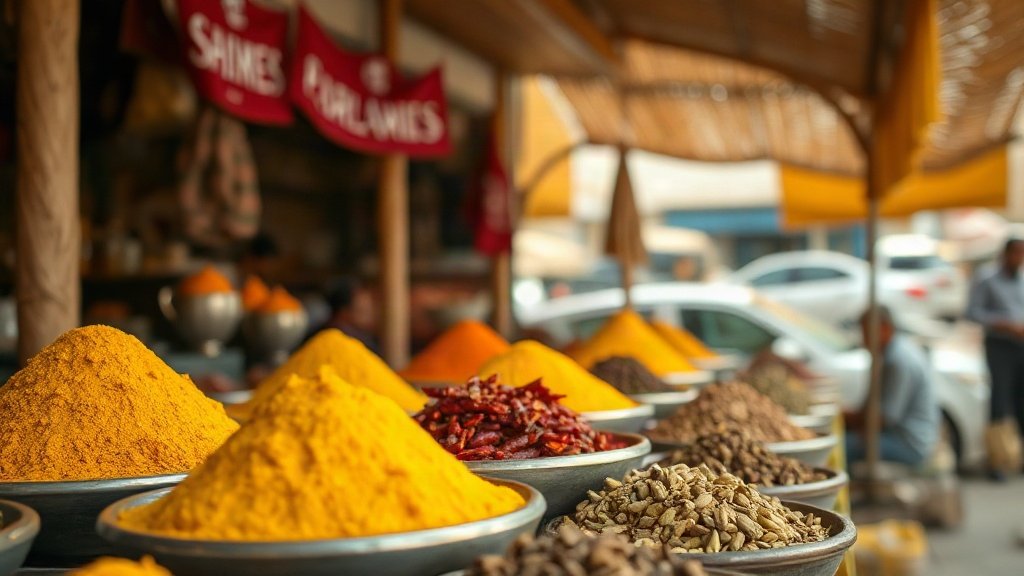
Illustration: AI-generated image
For anyone who loves food, a visit to a traditional Gulf food souk is an essential experience. These bustling markets, found in every major city from Kuwait to Muscat, are where the region's culinary soul comes alive. Amid the labyrinthine lanes, you will encounter towering sacks of rice, glistening dates, fragrant spices and the unmistakable aroma of Arabic coffee. More than just places to shop, food souks are living museums of Gulf gastronomy, offering a sensory journey through centuries of trade and tradition.
What You Will Find
A typical food souk is a treasure trove of ingredients that define Gulf cooking. Stalls overflow with spices: golden turmeric, earthy cumin, pungent dried limes (loomi), and the prized saffron threads that give many dishes their signature colour and aroma. You will also find blends such as bezar, a warming mix of black pepper, coriander, cumin and other spices. Fresh herbs like mint, coriander and dill sit alongside mountains of dates in dozens of varieties, from soft khalas to drier, more caramel-like deglet noor. Rose water and orange blossom water, essential for sweets, are sold in glass bottles, while large tins of samneh (clarified butter) line the shelves. Dried fish (maleh) and dried shrimp are available for those wanting to recreate traditional coastal dishes.
How to Shop Like a Local
Navigating a Gulf souk can be overwhelming at first, but a few tips will help you make the most of your visit. First, take your time and don't be afraid to ask questions. Vendors are usually happy to explain the uses of unfamiliar ingredients and may offer a taste of dates or nuts. When buying spices, trust your senses: good-quality spices should smell strong and fresh, with vivid colours. Avoid pre-ground mixtures that look dull or have sat in open bins for too long; it is often better to ask for whole spices and grind them at home. Bargaining is expected in most souks, but always do so politely and with a smile. As a general rule, start by offering about two-thirds of the asking price and expect to meet somewhere in the middle. Cash is still king in many stalls, so carry small denominations.
Timing and Etiquette
The best time to visit is in the morning, when the air is cooler and fresh produce is at its peak. Markets often get busier in the evening, especially during Ramadan, when shoppers stock up for iftar. Be mindful of prayer times, as some stalls may close briefly. Dress modestly out of respect for local customs, covering shoulders and knees. Always ask permission before taking photographs of people, and avoid photographing goods without a nod from the stallholder. Many souks have separate areas for spices, dates, fish and meat, so plan your route accordingly.
What to Buy and Bring Home
If you are visiting from abroad, focus on items that travel well: spices packed in sealed bags, vacuum-packed dates, small bottles of rose water or orange blossom water, and perhaps a tin of samneh. Check your home country's customs regulations before buying anything fresh or animal-based. For a true taste of the Gulf, buy a small bag of Arabic coffee beans and a pot of cardamom to brew your own gahwa at home. And don't forget to pick up a reusable cloth bag, as plastic use is being phased out in many markets.
A trip to a Gulf food souk is more than a shopping errand; it is a chance to connect with the region's heritage and bring a piece of it back to your own kitchen. Whether you are a resident or a visitor, the sights, sounds and smells will stay with you long after you leave.