Machboos: A Practical Guide to the Gulf's Signature Rice Dish
Machboos, the aromatic spiced rice dish found across the Arabian Gulf, is a must-try for any traveller. Here's what to expect and how to enjoy it like a local.
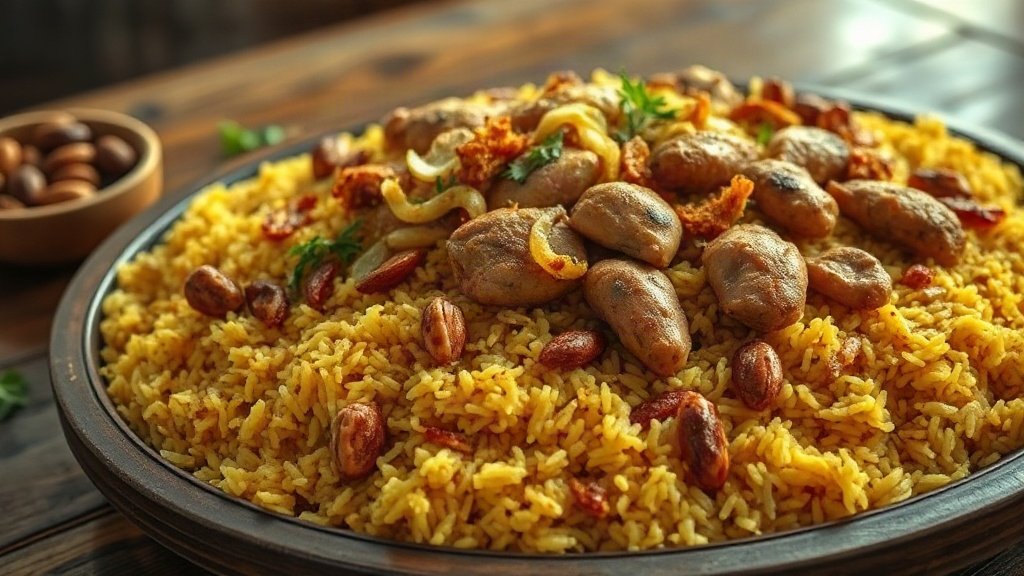
Illustration: AI-generated image
If you spend more than a day in the Gulf, you will almost certainly encounter machboos (also spelled makboos or kabsa in some countries). It is the region's unofficial national dish — a fragrant, slow-cooked rice centrepiece that appears at family gatherings, celebrations and everyday meals. For travellers, understanding machboos is a delicious way to connect with local culture.
What is machboos?
Machboos is a one-pot rice dish made with long-grain basmati rice, a blend of warm spices, and a protein — usually chicken, lamb, goat or fish. The rice is cooked in a richly spiced broth, often tinted yellow with turmeric or saffron, and finished with dried limes (loomi), giving it a subtle tang. Whole spices such as cardamom, cinnamon, cloves and black lime infuse the dish with a deep, aromatic flavour that is distinctive to the Arabian Peninsula.
The name varies across the region: in Saudi Arabia it is commonly called kabsa, while in Bahrain, Qatar, Kuwait and the UAE it is known as machboos. In Oman, a similar dish called maqbous is popular. Despite minor differences in spice mixes, the essence is the same: tender meat layered over or mixed with fluffy, flavour-packed rice.
Where to find it
You will find machboos in almost every traditional restaurant, from casual eateries to high-end dining rooms. It is a staple at hotel buffets and local cafeterias alike. For an authentic experience, ask for recommendations from locals or look for restaurants that specialise in mandi, a closely related dish where the meat is cooked in an underground oven. While machboos is readily available year-round, it is especially popular during Ramadan and Eid celebrations, when families prepare large platters to share.
How to eat it
Traditionally, machboos is served on a large communal platter, with the meat placed on top of the rice and garnished with fried onions, raisins or nuts. It is eaten with the right hand, using the fingertips to gather a small amount of rice and meat into a compact ball before lifting it to the mouth. Many restaurants provide spoons and forks, so do not worry if you are not comfortable eating by hand — but trying it the traditional way adds to the experience.
The dish is often accompanied by a tangy tomato sauce (daqqus), a simple salad of chopped cucumber and tomato, and sometimes a yoghurt-based side. A bowl of saloona (a thin vegetable stew) may also be served on the side.
Regional variations
- Chicken machboos is the most common version, with whole chicken pieces simmered in the spiced broth before the rice is added.
- Lamb or goat machboos offers a richer, more robust flavour, often reserved for special occasions.
- Fish machboos is popular in coastal areas, especially in Bahrain and Oman, using local catch like hamour or kingfish.
- Vegetable machboos is increasingly available for vegetarians, substituting the meat with a medley of carrots, potatoes and chickpeas.
Tips for first-timers
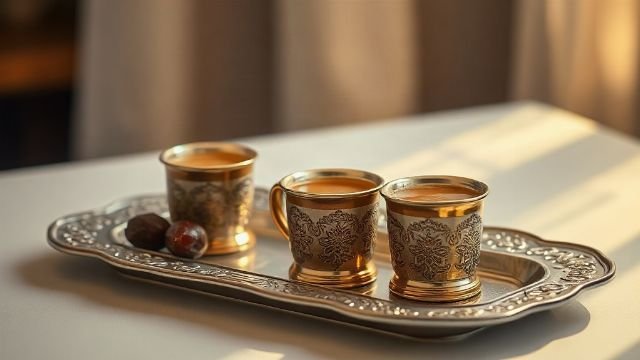
If you are new to Gulf cuisine, start with a chicken machboos — it is gentle on the palate and widely loved. Ask for the daqqus on the side if you prefer a bit of heat. Portions are generous, so sharing one plate between two is common. And do not rush: machboos is meant to be savoured slowly, ideally with a cup of sweet karak tea afterwards.