Luqaimat: The Gulf's Beloved Sweet Dumplings
Crispy on the outside, soft within, and soaked in date syrup, luqaimat is a treasured Gulf dessert served at celebrations and family gatherings.
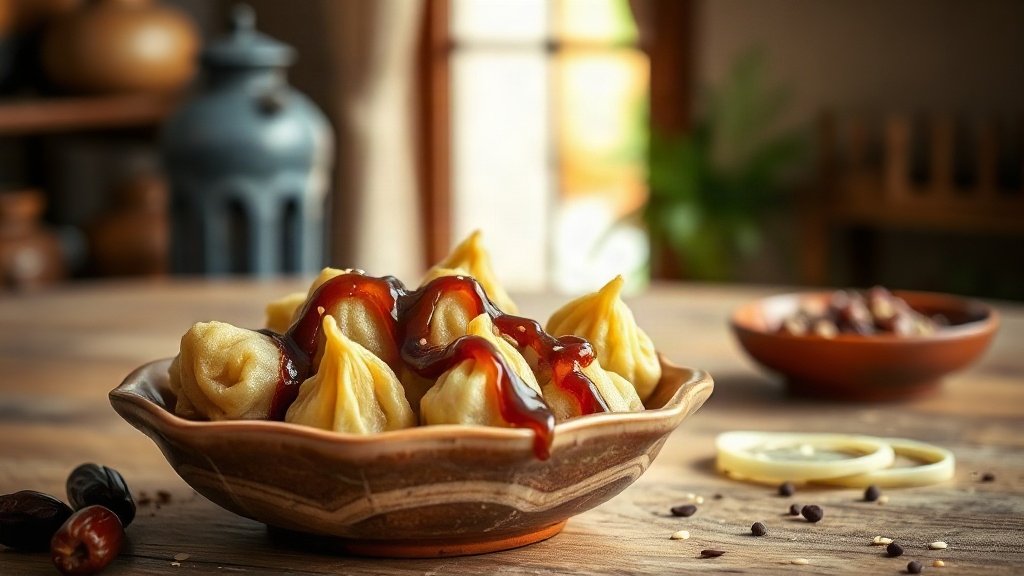
Illustration: AI-generated image
Across the Arabian Gulf, few desserts evoke the warmth of home and festivity quite like luqaimat. These small, golden dumplings are a staple at family gatherings, religious celebrations, and especially during the holy month of Ramadan, when their sweet aroma fills kitchens from Kuwait to Oman.
The name luqaimat (or lugaimat, depending on the dialect) comes from the Arabic word luqma, meaning "a morsel" or "a bite". True to their name, the dumplings are designed to be eaten in one or two bites, making them perfect for sharing among guests.
What is Luqaimat?
Luqaimat are made from a simple batter of flour, yeast, and sometimes yoghurt or milk, which is left to rise before being dropped by spoonfuls into hot oil. The result is a crispy, golden-brown exterior that gives way to a soft, airy interior. Immediately after frying, the dumplings are drenched in a sweet syrup - traditionally date syrup (dibs) or a mixture of sugar, water, and a touch of saffron or cardamom. A final sprinkle of sesame seeds or crushed pistachios adds texture and visual appeal.
A Treat for Every Occasion
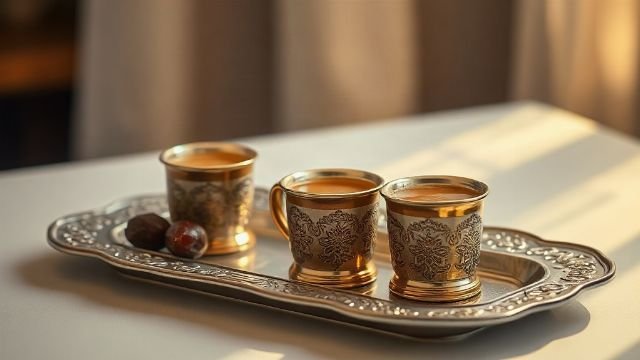
While luqaimat can be enjoyed year-round, they hold special significance during Ramadan. After a long day of fasting, the combination of crispy dough and sweet syrup provides a quick energy boost, and the dumplings are a common sight on iftar tables across the Gulf. They are also served during Eid celebrations, weddings, and family gatherings, often alongside Arabic coffee (gahwa) as a gesture of hospitality.
From Home Kitchens to Modern Cafés
Traditionally, making luqaimat was a skill passed down through generations, with grandmothers and mothers teaching the technique of shaping the sticky dough by hand. Today, the dessert remains a beloved homemade treat, but it has also found its way onto the menus of restaurants and cafés across the region, sometimes with creative twists like chocolate sauce, lotus spread, or flavoured syrups. However, purists argue that nothing beats the classic version with date syrup and sesame.
Whether enjoyed from a street-side stall during a cool winter evening or prepared at home for a festive meal, luqaimat continues to hold a special place in the culinary and cultural identity of the Gulf. Its simplicity, warmth, and sweetness are a reminder of the region's generous spirit and deep-rooted traditions.