Loomi: A Guide to the Gulf's Tangy Dried Lime
Discover the sharp, smoky flavour of loomi, the sun-dried lime that adds depth to countless Gulf stews, rice dishes and spice blends.
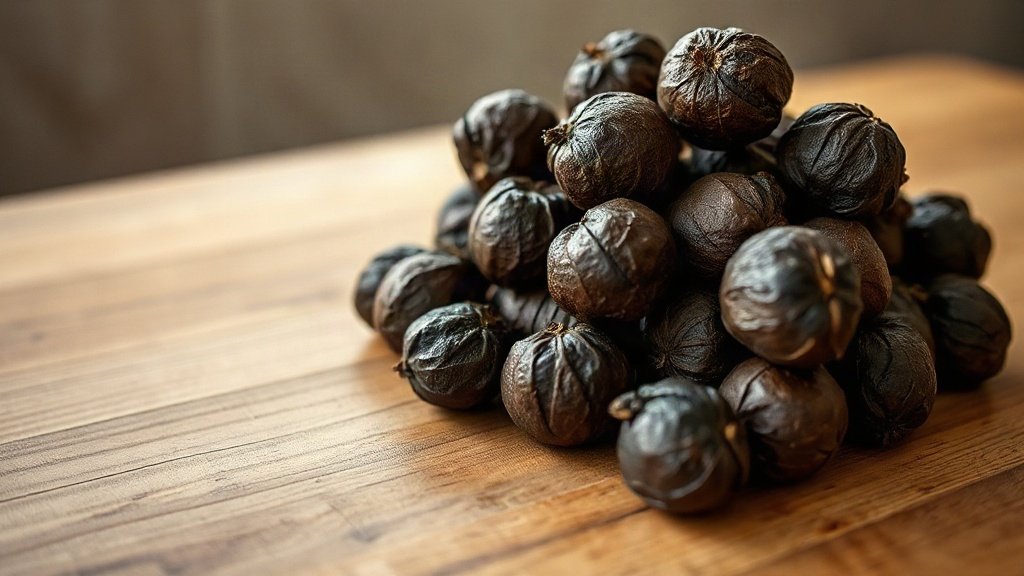
Illustration: AI-generated image
Walk through any traditional Gulf kitchen and you will likely find a jar of small, blackened, wrinkled spheres tucked among the spices. These are loomi – dried limes – and they are one of the most distinctive ingredients in the region's cooking. Known as black lime, noomi basra, or limoo amani in other parts of the Middle East, loomi brings a sharp, fermented citrus note that no fresh lime can replicate.
What is Loomi?
Loomi is made from fresh limes that have been boiled in salt water and then left to dry in the sun until they turn hard, hollow and dark brown or black. The process concentrates the lime's acidity while adding a deep, slightly smoky, almost earthy character. The result is a spice that can be used whole, cracked, or ground into a powder.
How Loomi is Made
The traditional method is simple but time-consuming. Small, thin-skinned limes are picked when just ripe, then blanched briefly in salted water to soften the skin and kick-start fermentation. After that, they are spread out under the intense Gulf sun for several weeks, turned regularly until they lose all moisture and take on their characteristic dark colour. The drying process can also be accelerated in ovens, but sun-dried loomi is prized for its deeper flavour.
Flavour Profile
Fresh limes are bright and zesty, but loomi offers something entirely different. Its flavour is intensely sour, yet with a mellow, fermented undertone and a whisper of smokiness. When ground, it has a faintly bitter, almost medicinal quality that mellows into a rich citrus depth when cooked. It is a cornerstone of many Gulf spice blends, adding complexity without overpowering other ingredients.
How to Cook with Loomi
Loomi is remarkably versatile. Here are the most common ways to use it:
- Whole in stews and braises: Pierce the loomi a few times with a knife or skewer, then drop it into slow-cooked dishes like lamb or chicken stews. It infuses the liquid with a tangy, smoky flavour. Remove before serving or leave it on the side as a garnish – but remind guests not to eat the hard shell.
- Cracked or crushed: Break the dried lime into pieces and add to rice dishes, especially machboos and other spiced rice pilafs. The pieces soften slightly during cooking, releasing bursts of flavour.
- Ground into powder: Grind loomi to a fine powder and use it as a seasoning for fish, meat rubs, or to sprinkle over finished dishes. It is also a key ingredient in commercial baharat spice blends, but you can easily grind your own.
- In marinades: Mix ground loomi with oil, garlic and other spices to marinate chicken or lamb before grilling or roasting. It tenderises the meat and adds a unique tang.
Buying and Storing Tips
When shopping for loomi, look for limes that are uniformly dark, lightweight for their size, and hollow when tapped. Avoid any with signs of mould or excessive cracking. Whole loomi will keep for a year or more in an airtight container away from direct sunlight. Ground loomi loses its potency more quickly, so it is best to grind only what you need or store it in a tightly sealed jar in a cool, dark place.
Whether you are simmering a rich stew, steaming a fragrant pot of rice, or mixing a spice rub, loomi is a simple way to bring authentic Gulf flavour to your kitchen. Its sharp, smoky tang is a reminder of the region's resourcefulness – turning a common fruit into something truly extraordinary.