Jebel Shams: A Practical Guide to Oman's Grand Canyon
Discover hiking trails, breathtaking viewpoints and traditional villages in Oman's highest mountain range.
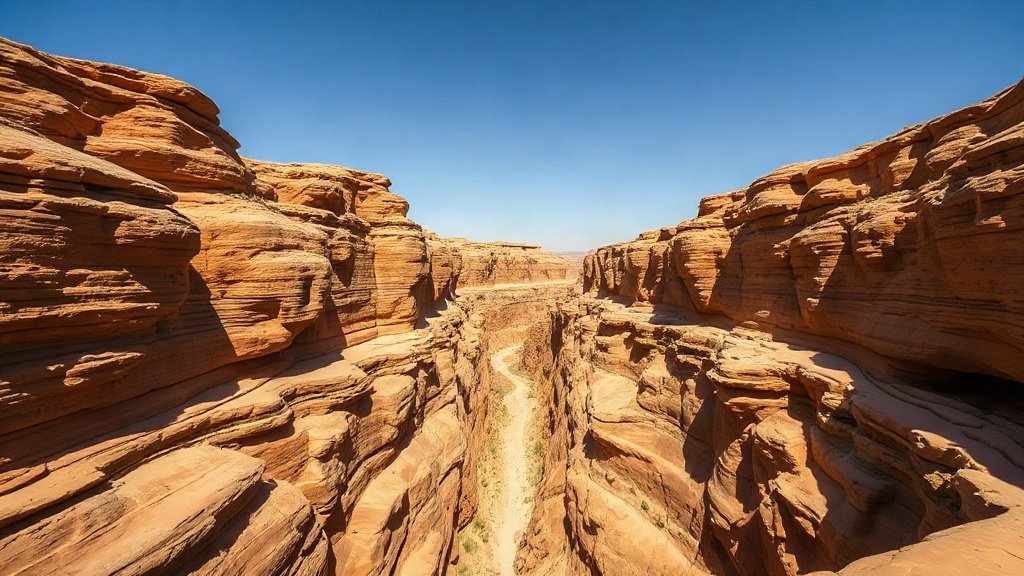
Illustration: AI-generated image
Rising to just over 3,000 metres, Jebel Shams is the highest peak in Oman and part of the Al Hajar mountain range. Its name means 'Mountain of the Sun', and on clear days the views from its rim are nothing short of spectacular. The star attraction is Wadi Nakhr, often called the Grand Canyon of Oman, a deep and dramatic gorge that cuts through the landscape for kilometres.
Location and getting there
Jebel Shams lies roughly 240 kilometres southwest of Muscat. The most common route is via the historic town of Nizwa, then through the village of Al Hamra and up a steep, winding mountain road. The road to the main viewpoint is paved and accessible in a normal car, but a four-wheel drive is recommended if you plan to explore further along the rim or descend into the wadi. There is no public transport to the summit, so you will need your own vehicle or a private transfer.
The Grand Canyon view
The main viewpoint, often simply called Jebel Shams Viewpoint, is a short walk from the car park. From here you can peer down into Wadi Nakhr, where the canyon walls drop nearly 1,000 metres in places. The contrast between the pale limestone plateau and the darker, older rock below is striking, especially in the golden light of late afternoon. A fence and viewing platform provide safe viewing spots for families and less adventurous visitors.
Hiking trails
For those who want to stretch their legs, the Balcony Walk is the most famous trail. It starts near the village of Al Khitaym and follows an old donkey path along the canyon rim for about four kilometres to the abandoned settlement of As Sab. The walk takes between four and six hours return and is relatively flat, but it does have some narrow sections and a sheer drop on one side. Hikers should wear sturdy shoes and carry plenty of water. Other longer treks descend into the wadi itself, but these require experience, local guidance and careful planning.
Weather and best time to visit
Temperatures at Jebel Shams are significantly cooler than on the coast. In summer, daytime highs rarely exceed 30°C, while in winter they can drop to near freezing at night, with occasional frost and even rare snowfall. The best months for hiking and sightseeing are from October to April, when skies are generally clear and daytime temperatures are pleasant. Afternoon thunderstorms can occur in spring and early summer, so always check the forecast before setting out.
Local culture and villages
The mountain slopes around Jebel Shams are home to several small villages, including Al Khitaym and Al Hamra. Many families still tend terraced gardens growing pomegranates, roses and walnuts. Visitors are welcome to walk through the villages, but it is important to dress modestly and ask permission before photographing people. A smile and a simple greeting in Arabic go a long way.
Practical tips
- Carry at least two litres of water per person for any walk, even short ones.
- Wear layers, as temperatures can change quickly with altitude and time of day.
- Sun protection is essential; the sun is strong even in winter.
- There are no shops or cafés at the viewpoint, so bring snacks and any supplies you need.
- Respect the environment and take all rubbish with you.
Jebel Shams rewards those who make the journey with one of the most impressive natural sights in the Gulf region. Whether you come for a quick photo stop or a full day of hiking, the Grand Canyon of Oman is a destination that stays with you long after you descend.