How to Weave a Traditional Gulf Palm Leaf Basket: A Beginner's Guide
Discover the timeless craft of palm leaf weaving, a skill passed down through generations in the Gulf, and learn how to make your own simple basket at home.
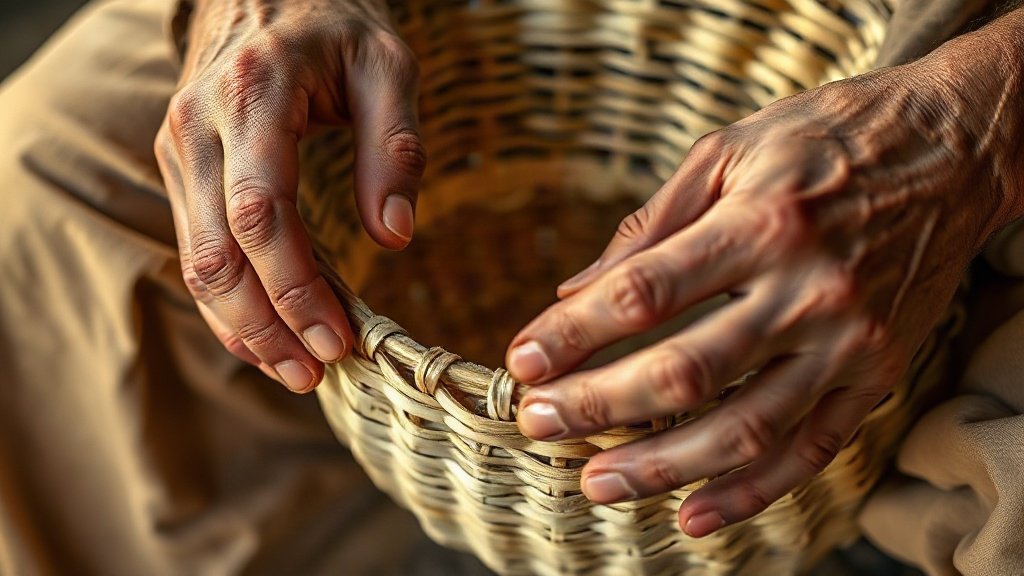
Illustration: AI-generated image
The craft of weaving palm leaves into baskets, mats and other household items is one of the oldest and most practical traditions in the Gulf. For centuries, coastal and oasis communities used the abundant date palm not only for its fruit, but for every part of the tree, including the fronds. Today, learning this skill connects you with a sustainable practice that requires no electricity and leaves no waste.
In the past, every household had members who knew how to weave; the skill was essential for making storage containers, fans, mats, and even fishing traps. Today, the craft is kept alive by artisans and enthusiasts, and learning it is a rewarding way to slow down and create something useful with your hands.
Materials you need
- Fresh or dried palm fronds (also known as "sa'af" in Arabic)
- Sharp scissors or a craft knife
- A bowl of water for soaking (if using dried fronds)
- A flat, clean surface to work on
If you live in the Gulf, you can often find palm fronds after pruning season, or ask a neighbour or local farm. Dried fronds are also available in some craft shops, but any long, pliable grass-like material can be substituted, such as raffia or even thick paper strips.
Preparing the palm leaves
If using fresh leaves, strip the leaflets from the central spine and trim any sharp edges. If using dried leaves, soak them in water for about an hour until they become pliable. Pat them dry before weaving. You will need around 12 to 16 strips, each at least 60 cm long.
Basic weaving technique
Start with four strips laid side by side, alternating the direction of the pointed ends. Then weave another four strips over and under, creating a simple checkerboard base. This forms the bottom of your basket.
Once the base is about 15 cm square, fold the strips upwards at right angles to begin the sides. Continue weaving new strips around the upright pieces, tucking the ends in as you go. Keep the weave tight and even.
Shaping and finishing
To create a curved bowl shape, gently press the sides inward as you weave. For a flat tray, keep the sides low. When you reach the desired height, trim the remaining strips and tuck the ends into the weave. A dab of glue can secure any loose ends, but traditional baskets rely only on friction.
Caring for your basket
Palm leaf baskets are surprisingly durable and can last for years if kept away from excessive moisture. Dust them regularly and store in a dry place. If the weave loosens, simply re-tuck the ends or add a new strip.
Whether you use it for storing fruit, displaying bread, or as a decorative piece, your handmade basket is a small but meaningful link to the Gulf's heritage.