How to Keep Dust and Sand Out of Your Gulf Home: A Practical Guide
Living in the Gulf means dealing with fine desert dust and the occasional sandstorm. These simple steps will help you keep your home clean and comfortable.
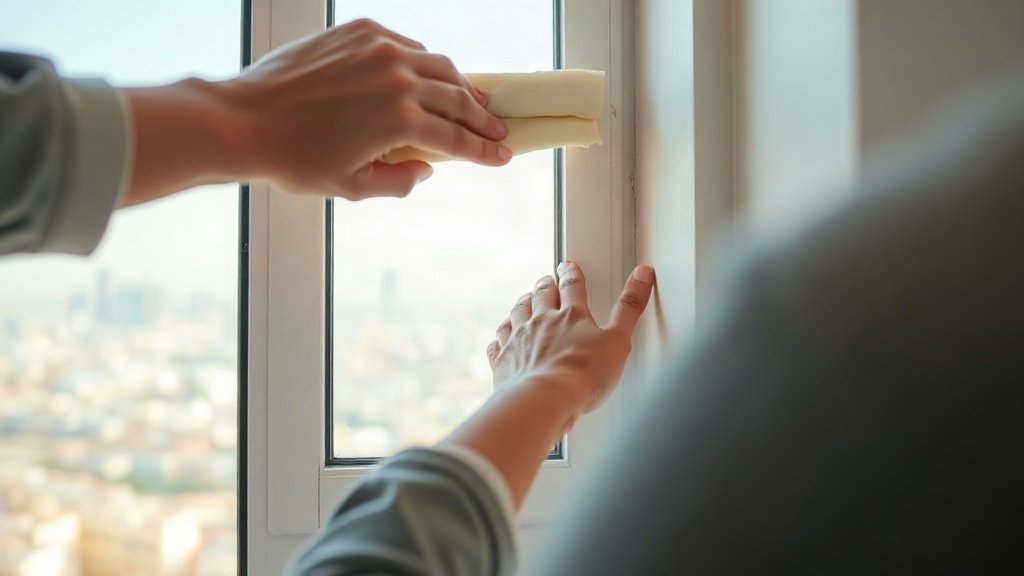
Illustration: AI-generated image
Dust is a fact of life in the Gulf. The region's arid climate and frequent desert winds mean that even with closed windows, a fine layer of grit can settle on furniture and floors within days. Sandstorms, which occur throughout the year but especially during the transitional seasons, can dramatically worsen the problem. Fortunately, with a few proactive measures, you can significantly reduce the amount of dust and sand that enters your home and make cleaning easier.
Seal windows and doors
The most effective way to keep dust out is to stop it from getting in. Many homes in the Gulf have poorly sealed windows and doors, especially older buildings. Check for gaps around frames and install adhesive foam weatherstripping or rubber seals. For larger gaps, use door sweeps at the bottom of exterior doors. If your windows are single-glazed and old, consider installing secondary glazing or heavy curtains to act as an additional barrier.
Use air purifiers and maintain your AC
Even with good sealing, some dust will enter when you open doors or through ventilation systems. A high-quality air purifier with a HEPA filter can capture fine particles that circulate indoors. Run it in the rooms where you spend the most time, especially the bedroom. Regularly clean or replace the filters in your air conditioning units, as clogged filters not only reduce efficiency but can also blow dust back into the room. It is advisable to have your AC ducts professionally cleaned every couple of years, especially if you have allergies.
Create a buffer zone at the entrance
Much of the dust that ends up inside is carried in on shoes and clothing. Place a sturdy doormat outside and another inside the entrance to trap dirt. Encourage family members and guests to remove shoes at the door, a common Gulf custom. Consider using a shoe cabinet near the entrance and keeping a small brush or cloth to dust off clothing before entering. If you have a balcony or outdoor area, use it to shake out rugs and outerwear before bringing them inside.
Adopt a smart cleaning routine
When dust is a constant companion, how you clean matters as much as how often. Use a vacuum cleaner with a HEPA filter rather than a broom, which can stir up dust. Damp-dust surfaces with a microfibre cloth instead of a dry duster, which simply moves dust around. Wash bedding, curtains, and cushion covers regularly, as they trap dust. During sandstorms, close all windows and doors, and wait until the storm passes before airing out the house. After a storm, clean your air conditioning filters and wipe down window sills and exterior ledges.
Choose the right home textiles and finishes
Hard surfaces like tile, marble, and polished concrete are easier to keep dust-free than carpets and heavy rugs. If you prefer carpets, choose low-pile options and vacuum them frequently. Avoid heavy drapes and ornate fabric wall hangings that collect dust; opt for roller blinds or washable curtains instead. Leather or faux-leather furniture can be wiped clean, whereas fabric sofas may need regular deep cleaning. Keep decorative items to a minimum on open shelves, or store them behind glass doors.
By implementing these practical strategies, you can maintain a cleaner, healthier home even in the dustiest of conditions. The key is consistency: make sealing, filtering, and damp-cleaning part of your regular household routine.