How to Grow Culinary Herbs in the Gulf: A Practical Guide
Fresh herbs like mint, parsley and coriander thrive in Gulf gardens with the right care. Learn how to grow them successfully despite the heat.
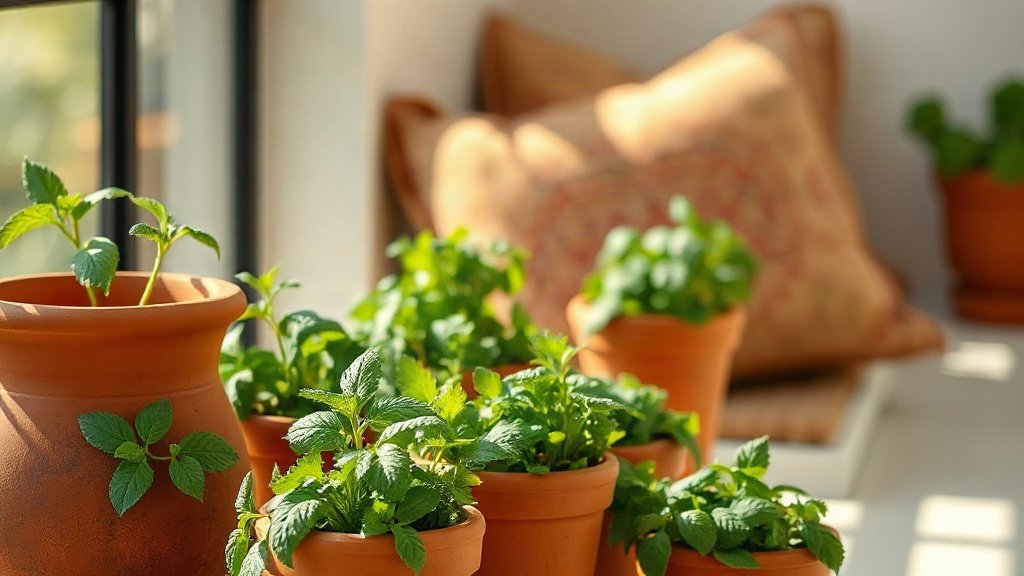
Illustration: AI-generated image
Fresh herbs bring a burst of flavour to any kitchen, and in the Gulf they are essential for traditional dishes from tabbouleh to machboos. Yet many home cooks assume the region's intense heat makes growing herbs impossible. With the right approach, however, you can enjoy a steady supply of mint, parsley, coriander and other favourites right from your balcony or garden.
Choosing Herbs for the Gulf Climate
Not all herbs cope equally well with extreme temperatures. The most reliable choices for Gulf gardens are those that originated in Mediterranean or Middle Eastern climates. Mint (na'na) is a must-have; it grows vigorously and is used in teas, salads and yoghurt drinks. Flat-leaf parsley (baqdounis) and coriander (kuzbara) are also staples, though they tend to bolt quickly in heat, so they need extra care. Dill (shibith) and rocket (jarjeer) are other hardy options that tolerate warmth if given some shade. Basil is popular but struggles in full sun, so reserve it for shadier spots. Always buy seeds or seedlings from a reputable local nursery to ensure they are suited to the climate.
Planting and Care
The key to success is controlling sun and water. Herbs need at least four to six hours of sunlight daily, but in the Gulf summer, direct afternoon sun can scorch leaves. Position pots where they receive morning sun and afternoon shade, such as on an east-facing balcony or under a light shade cloth. Use a well-draining potting mix enriched with compost, as heavy garden soil can compact and retain too much moisture.
Watering requires a careful balance: herbs dislike sitting in soggy soil, but in high heat they dry out fast. Check the top few centimetres of soil daily; if it feels dry, water thoroughly until it drains from the bottom of the pot. In peak summer, you may need to water twice a day. Add a layer of mulch, such as dried leaves or straw, to keep roots cool and reduce evaporation. Fertilise lightly every few weeks with a balanced liquid feed, but avoid overfeeding, which can dilute flavour.
Harvesting and Using
Regular harvesting encourages bushier growth. Snip leaves from the top, leaving at least a third of the plant intact. For parsley and coriander, pick outer leaves first. Mint can be cut back hard; it will regrow quickly. Harvest in the early morning when essential oils are strongest, and use herbs fresh for the best flavour. Surplus herbs can be dried or frozen in ice cube trays with a little water or oil. Store dried herbs in airtight jars away from light.
Growing your own herbs not only saves money but also connects you to the region's culinary traditions. A small pot of mint on the windowsill can make all the difference in a refreshing glass of laban or a pot of karak chai.