Drought deepens Kenya milk shortage, pushing up prices
Supplies of fresh milk have become scarce in parts of Kenya as a prolonged dry spell reduces dairy production, pushing up retail prices and disrupting deliveries to major towns.
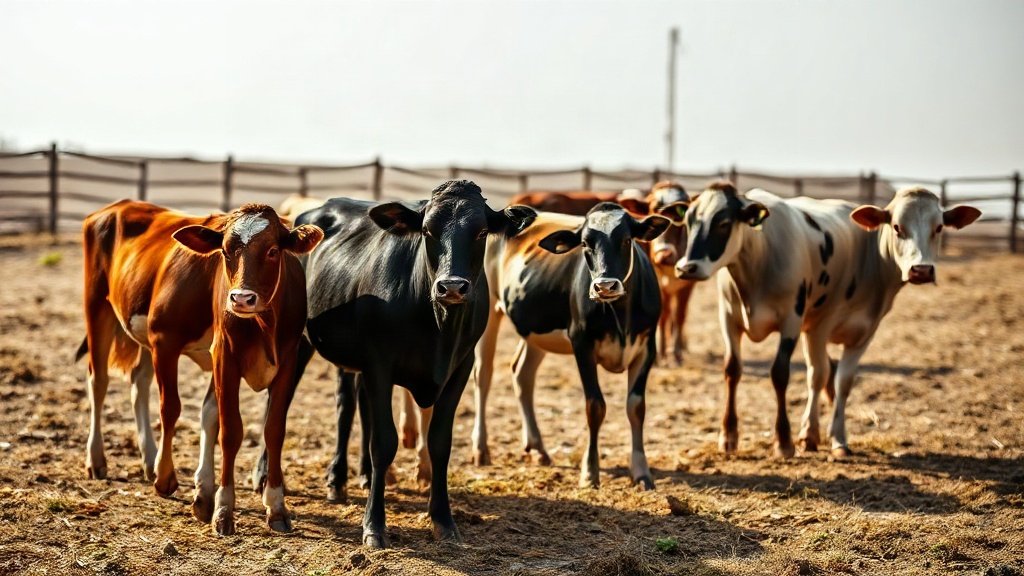
Illustration: AI-generated image
Kenya is facing a deepening milk shortage as prolonged dry conditions curb dairy production, leading to limited supplies and higher prices in major towns including Nairobi.
In the capital, popular brands such as Tuzo, Dairy Best and Mt Kenya milk have become harder to find. A 500ml packet now sells for between 79 and 89 Kenyan shillings, while some neighbourhood shops charge as much as 100 shillings. Newer brands have appeared at around 65 shillings, but overall availability remains tight.
Farmers across the country are struggling to feed their animals as pasture and water dwindle. Jennifer Leshinka, a dairy farmer in Kajiado County, told Al Jazeera that her daily production had dropped from 120 litres to 50 litres over the past three months. She has had to buy hay, which costs up to 150 shillings per bale, and move some animals to neighbouring counties in search of grazing land.
The decline is also affecting dairy cooperatives and businesses. Jeremiah Ole Ncharo, Kajiado County’s executive committee member for cooperatives, said at least five women-led dairy cooperatives have reported a 50 percent drop in milk deliveries. In Nairobi, hotelier Joram Kamau said businesses are spending hours queuing at processors’ depots for rationed milk, and he has concerns about the growing presence of powdered milk products of uncertain quality.
Agriculture Cabinet Secretary Mutahi Kagwe said the shortage is largely linked to the dry spell, which has reduced pasture, fodder and water. He noted that national milk production had risen from 4.64 billion kilogrammes in 2021 to 5.52 billion kilogrammes in 2025, but formal deliveries fell from an average of 83.45 million litres per month in 2025 to 74.09 million litres in September. The government is monitoring production, stocks and prices, and facilitating regional transfers within the East African Community. Market surveillance for the week ending 30 October showed a slight improvement in UHT milk availability, while other dairy products remained at normal stock levels. Farmers are also receiving better prices, with the average gross producer price rising to about 53.88 shillings per litre in July, up from 49.58 shillings the previous year.