Birdwatching in the Gulf: A Practical Guide to Wetlands and Migrants
Discover the Gulf's surprisingly rich birdlife, from pink flamingos in city reserves to rare migrants on desert stopovers, with tips on where and when to go.
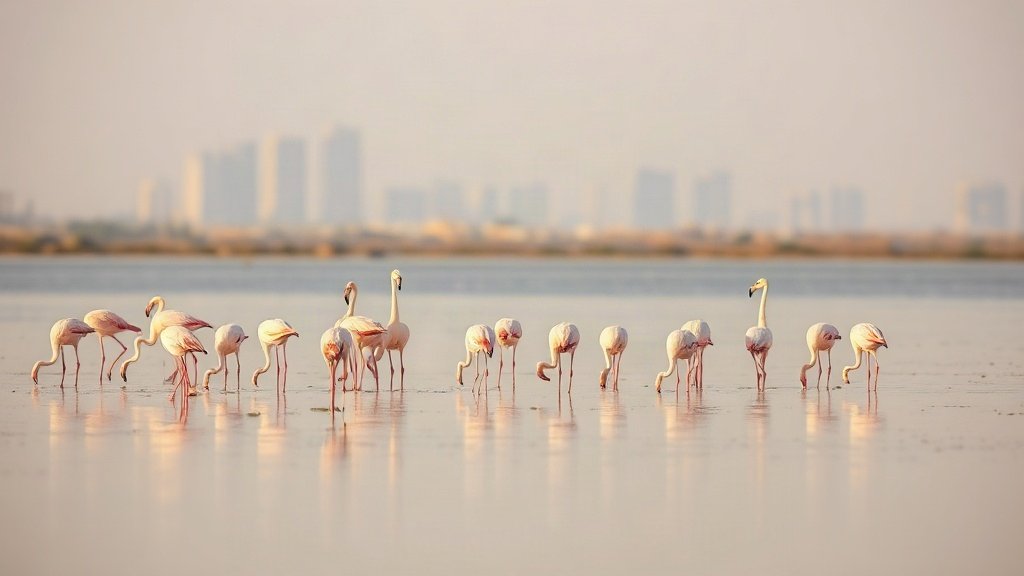
Illustration: AI-generated image
The Gulf is not usually the first place that comes to mind for birdwatching, but the region sits on one of the world's great migratory flyways. Each spring and autumn millions of birds travel between Africa and Eurasia, and many pause along the Arabian Peninsula's coasts, wetlands and desert oases. For visitors, this means excellent birding opportunities in often surprising and easily accessible locations.
Why the Gulf is great for birds
The shallow waters of the Arabian Gulf and the Gulf of Oman provide rich feeding grounds for waders, gulls and terns. Coastal mudflats and protected mangrove stands support large numbers of shorebirds, while inland desert and mountain areas host specialised resident species such as sandgrouse, wheatears and partridges. Man-made lakes and treated-water effluent ponds have also become important stopover sites, attracting ducks, herons and even flamingos.
Top spots to visit
- Ras Al Khor Wildlife Sanctuary, Dubai: Just minutes from the city centre, this tidal wetland is famous for its wintering flock of greater flamingos. Boardwalks and hides allow close views without disturbing the birds.
- Al Wathba Wetland Reserve, Abu Dhabi: A former salt flat turned wetland, this reserve hosts hundreds of flamingos plus many migratory waders. It is especially good after winter rains.
- Khor Al Adaid (Inland Sea), Qatar: While known for its desert landscape, the surrounding sabkha and tidal inlets attract ospreys, terns and occasional crab plovers.
- Al Ansab Lagoons, Muscat: These treated-water lagoons near the Omani capital draw a surprising variety of ducks, herons and waders, and are popular with local birders.
- Juddah Salt Pans, Bahrain: The shallow evaporation ponds are a magnet for migrating shorebirds, including broad-billed sandpipers and little stints.
What you might see
Common sightings include grey herons, western reef herons, common redshanks, and black-winged stilts. In winter, look for greater flamingos, Eurasian spoonbills, and various ducks such as northern shovelers and teal. Raptors like marsh harriers and ospreys patrol wetlands, while desert trips may reveal greater hoopoe-lark, desert wheatear or brown-necked raven. In spring and autumn, exhausted migrants can turn up anywhere, from city parks to hotel gardens.
When to go
The best birdwatching is from October to March, when temperatures are pleasant and wintering species are present. Migration peaks occur in September–October and March–April; a single morning can produce large numbers of birds on the move. Summer is generally too hot for extended outdoor activity, though resident species remain.
Practical tips
Bring binoculars, a hat, sun protection and plenty of water. Many reserves have free entry but may require booking in advance; check official websites before visiting. Dress modestly and quietly, and avoid disturbing roosting or feeding birds. Early morning is usually most productive. A field guide to the birds of the Middle East will help identify the many species you are likely to encounter.