The Oud: A Guide to the Gulf's Beloved String Instrument
Discover the history, craftsmanship and cultural role of the oud, the pear-shaped string instrument at the heart of Gulf music traditions.
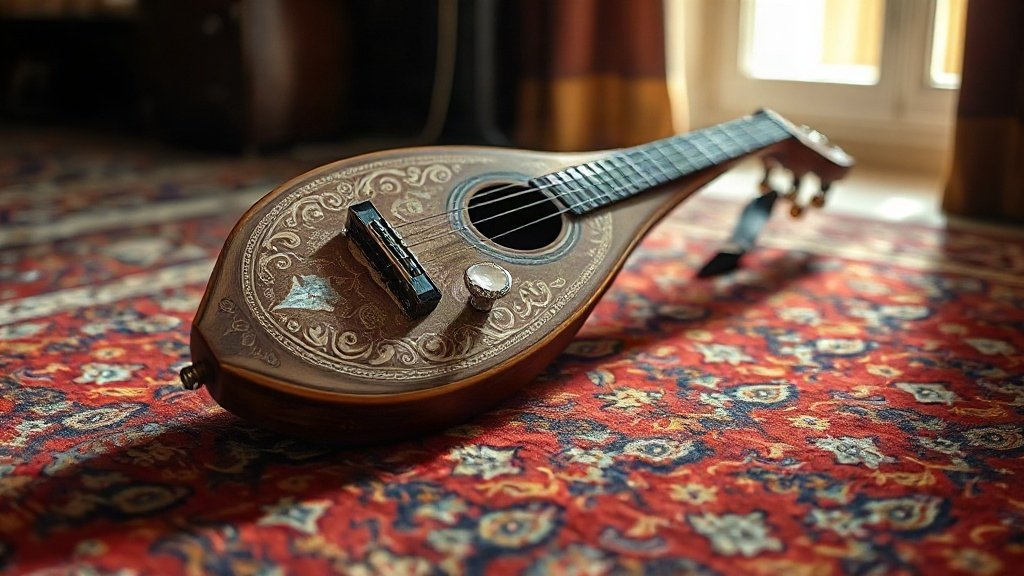
Illustration: AI-generated image
The oud is one of the most recognisable instruments in Arabic music, and in the Gulf it holds a special place in both traditional and contemporary culture. With its deep, warm tone and distinctive pear-shaped body, the oud has been a companion to poets, singers and storytellers for centuries. This guide explores its history, how it is made, and where you can experience its sound across the region.
A brief history
The oud's ancestors can be traced back over 5,000 years to ancient Mesopotamia and Persia. The instrument we know today evolved in the Islamic world and spread across the Middle East, North Africa and eventually into Europe, where it influenced the development of the lute. In the Gulf, the oud became central to musical traditions such as sawt, a genre that blends Bedouin poetry with rhythmic percussion, and it remains a staple at weddings, national celebrations and informal gatherings. In classical Arabic music, the oud often leads the takht, a small ensemble that also includes instruments like the qanun, ney and riq.
How the oud is made
Traditional oud making is a highly skilled craft. The body, or bowl, is typically carved from a single piece of wood such as walnut, rosewood or mahogany, though cheaper ouds may use laminated strips. The soundboard is usually made of spruce, and the fingerboard is fretless, allowing musicians to play the microtones essential to Arabic music. An oud typically has 11 or 12 strings arranged in courses, and it is played with a long, thin plectrum called a risha, traditionally made from an eagle feather or now more commonly from plastic.
Skilled luthiers in the Gulf and across the Arab world fashion ouds by hand, often decorating them with intricate mother-of-pearl inlay and geometric designs. Each instrument can take weeks to complete, and the best ouds are prized for their resonance and craftsmanship.
The oud in Gulf culture
In Gulf societies, the oud is more than just an instrument; it is a symbol of heritage and identity. It is frequently played in the majlis, the traditional gathering space, where friends and family come together to share coffee, conversation and music. The oud's gentle, melodic nature makes it ideal for accompanying poetry recitation, and many Gulf singers have built their careers around its sound.
Today, the oud is also celebrated in cultural festivals and competitions across the region, and it features prominently in national orchestras and heritage performances. Learning the oud is a popular pursuit for young people, with many music schools and community centres offering classes.
Listening and learning
If you are in the Gulf and want to hear the oud live, look out for cultural events at museums, heritage villages and traditional markets (souks). Local music shops often have ouds on display, and some craftsmen welcome visitors to watch them work. For those wanting to learn, beginner ouds are widely available, and online tutorials make it possible to start from home.
Whether you are a lifelong music lover or simply curious about Gulf traditions, the oud offers a beautiful gateway into the region's rich cultural tapestry.