The Barjeel: A Guide to the Gulf's Traditional Wind Tower
Discover how the barjeel, the Gulf's ingenious wind tower, has cooled homes for centuries and remains a symbol of sustainable architecture.
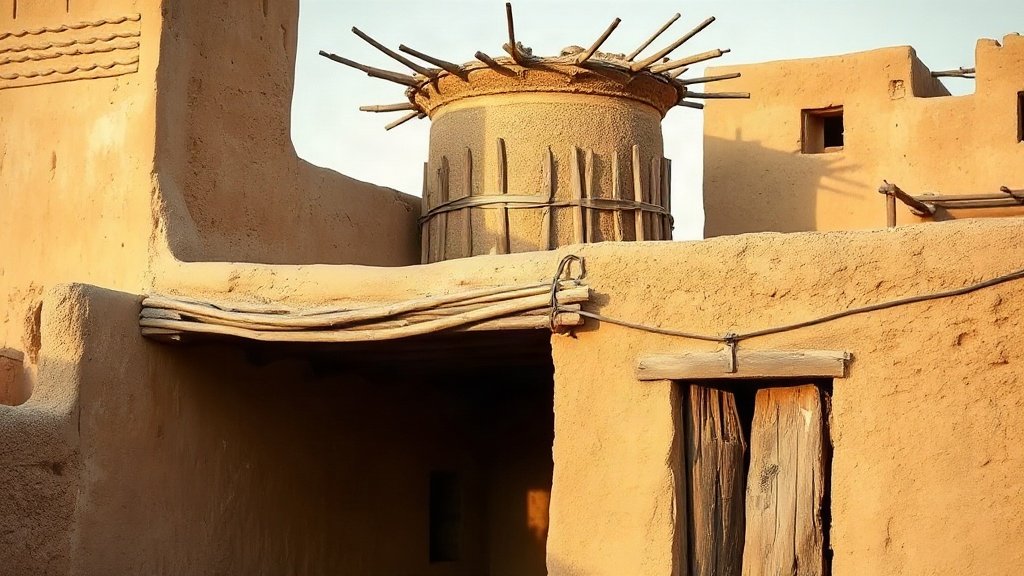
Illustration: AI-generated image
The barjeel, or wind tower, is one of the most distinctive features of traditional architecture across the Gulf. Rising above the flat rooftops of old neighbourhoods, these square or rectangular towers catch the breeze and channel it into the homes below, offering a natural cooling system long before the age of air conditioning. Found throughout the United Arab Emirates, Bahrain, Qatar, and parts of Oman and Saudi Arabia, the barjeel is both a practical response to the region's harsh climate and a symbol of cultural identity.
How the Barjeel Works
The barjeel operates on a simple principle of passive cooling. Its tall shaft, open on one or more sides, captures the prevailing wind and directs it downward into the living spaces. The moving air creates a comfortable breeze, while the tower's height allows it to draw in cooler air from above the dusty ground level. In many designs, the interior walls are lined with damp cloth or porous clay pots, further cooling the air through evaporation. At night, the process reverses: warm air inside the house rises and escapes through the tower, drawing cooler air in from lower openings.
Traditional barjeels are built from local materials such as coral stone, mud brick, or palm fronds, with wooden poles protruding from the openings to support decorative screens or deflect the wind. The craftsmanship reflects a deep understanding of aerodynamics and climate, passed down through generations of builders known as ustadh.
A Symbol of Heritage and Ingenuity
Before electricity reached the Gulf, the barjeel was essential for making homes liveable during the hot summer months. Its presence on the skyline of old coastal towns like Dubai, Sharjah, and Manama was a mark of prosperity, as wealthy merchant families could afford multiple towers. Beyond function, the barjeel became a visual signature of Gulf architecture, its geometric forms and shadow patterns inspiring artists and designers today.
In recent decades, restoration projects have brought many barjeel buildings back to life. Entire neighbourhoods, such as Al Fahidi Historical Neighbourhood in Dubai and the heritage areas of Sharjah and Muharraq, now showcase these towers as cultural landmarks. They serve as reminders of a time when communities lived in harmony with the desert environment.
The Barjeel in Modern Architecture
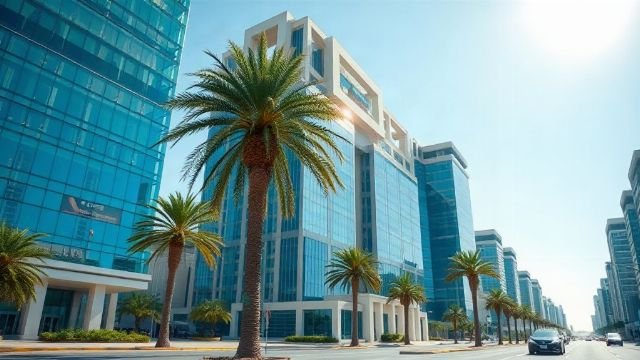
Contemporary architects have looked to the barjeel as a model for sustainable design. Some modern buildings in the Gulf incorporate wind tower concepts, using computer modelling to optimise natural ventilation and reduce energy consumption. This revival honours the wisdom of the past while addressing today's environmental challenges. The barjeel stands as proof that traditional knowledge can inform a greener future.
Visitors to the Gulf can see authentic barjeels in many restored heritage sites, where they continue to catch the breeze much as they have for centuries. They are not merely relics but living lessons in adaptation and ingenuity.