Souq Waqif: A Practical Guide to Doha's Historic Market
A walk through Doha's beloved Souq Waqif reveals a world of spices, perfumes, falcons and traditional crafts, all housed in beautifully restored Qatari architecture.
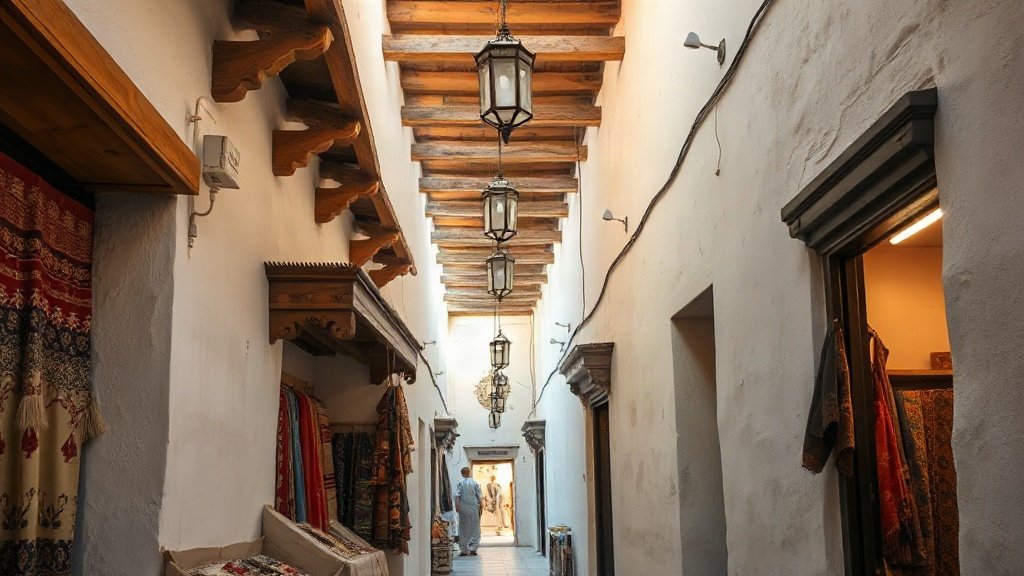
Illustration: AI-generated image
Souq Waqif, Doha's historic market, is a sensory-rich labyrinth of narrow alleys, traditional architecture and the aromas of spices and perfumes. Rebuilt in the early 2000s to resemble a 19th-century Qatari trading village, it has become one of the capital's most beloved spots for shopping, dining and soaking up local culture.
A Brief History
The souq stands on the site of Doha's old trading market, which fell into disrepair during the 20th century. A major restoration project completed in 2008 reconstructed the mud-rendered shops, exposed timber beams and shaded walkways using traditional techniques, creating a living heritage site rather than a mere tourist attraction. Today it buzzes with activity from morning until late at night.
What to See and Do
Wander aimlessly through the pedestrian-only alleys and you'll find shops selling everything from handwoven textiles and embroidered clothing to antique swords and traditional wooden chests. The spice section is a highlight, with mounds of saffron, dried limes, cardamom and frankincense displayed in open sacks. Perfume shops offer bespoke blends of oud, rose and amber, while gold and jewellery stalls glitter under warm lights.
One of the most distinctive areas is the Falcon Souq, where rows of hooded falcons perch on stands. These prized birds are an integral part of Gulf heritage, and visitors can watch handlers, learn about the sport of falconry and even hold a bird for a photo (usually for a small fee). Adjacent shops sell leather hoods, jesses and other falconry equipment.
For a more relaxed experience, stop by one of the many traditional coffee houses serving karak chai or Arabic coffee with dates. In the cooler months, outdoor seating spills onto the plazas, where families gather and children play.
Where to Eat
Souq Waqif is home to a vast array of eateries, from casual shawarma stands to upscale restaurants serving Qatari and regional cuisine. Many places specialise in grilled meats, mezze and fresh bread baked in traditional ovens. Look for machboos, a spiced rice dish with chicken or lamb, or try a hearty breakfast of balaleet (sweet vermicelli with eggs). For dessert, sample luqaimat, golden fried dumplings drizzled with date syrup.
Practical Tips
- Getting there: The souq is in central Doha, a short walk from the Corniche and easily reached by Doha Metro (Souq Waqif station on the Gold Line) or by taxi.
- Best time to visit: Evenings are most atmospheric, especially after sunset when the temperature drops and the crowds grow. Weekends (Friday and Saturday) are busiest; weekday mornings offer a quieter experience.
- Dress code: Modest dress is appreciated. Shoulders and knees should be covered, and women may wish to carry a scarf.
- Bargaining: Haggling is expected in many shops, particularly for souvenirs and textiles. Start at around half the asking price and negotiate politely.
- Photography: The architecture and colourful displays make for great photos, but always ask permission before photographing people, especially women and children.
Nearby Attractions
Souq Waqif is within walking distance of the Museum of Islamic Art, the Doha Corniche and the Msheireb Downtown district, making it easy to combine with other sights. The nearby Gold Souq, though smaller, is worth a look for its dazzling displays.