Saleeg: The Creamy Rice Dish of Hejaz Explained
Discover Saleeg, the slow-cooked rice and milk dish from Saudi Arabia's western region that has become a beloved comfort food across the Gulf.
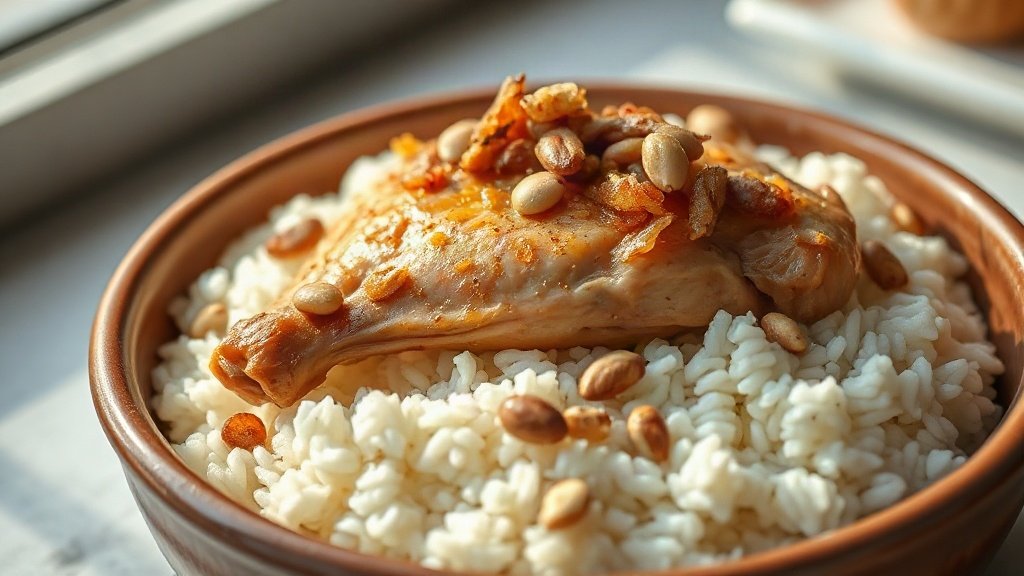
Illustration: AI-generated image
When the temperature drops and the appetite yearns for something warm and soothing, many families across the Gulf turn to Saleeg, a creamy rice dish that hails from the Hejaz region of western Saudi Arabia. Unlike the spiced and colourful rice dishes such as Kabsa or Mandi, Saleeg is deliberately simple and pale, letting the richness of milk and slow-cooked meat speak for itself.
The name Saleeg comes from the Arabic verb salaqa, meaning to boil or simmer, which perfectly describes the cooking method. Short-grain rice is simmered gently in a mixture of milk and meat broth until it breaks down into a silky, risotto-like consistency. The dish is traditionally made with chicken or lamb, and the cooking liquid is infused with the meat's flavour, along with subtle aromatics like cardamom, mastic, or a touch of white pepper. Some cooks add a splash of rose water or orange blossom water for a delicate fragrance, though the classic version remains savoury and milky.
Saleeg is served in a large communal platter, with the creamy rice spread as a bed and the tender meat arranged on top. A generous drizzle of ghee (samneh) is often added just before serving, along with fried onions, toasted nuts, or a sprinkle of ground cinnamon. It is customary to eat Saleeg with the right hand, scooping the rice and meat together, or with a spoon for those who prefer. A side of fresh salad, pickles, or a tangy yoghurt drink helps cut through the richness.
One of the keys to a perfect Saleeg is the rice-to-liquid ratio and the patience to stir frequently, preventing the rice from sticking while encouraging it to release its starch. The result should be thick enough to hold its shape but soft enough to melt in the mouth. Some families add a small amount of mastic resin (mistika) while cooking, which gives the dish a subtle pine-like note familiar to many Gulf sweets.
Historically, Saleeg was a dish of the urban centres of Jeddah, Makkah and Madinah, where access to milk and rice from trade routes made it a staple for festive meals. Today, it is found in restaurants across the Gulf, but many still argue that the best Saleeg is made at home, with recipes passed down through generations.
What makes Saleeg so beloved is its comforting simplicity. It is a dish of home cooking, often prepared for family gatherings, weekend lunches, or to welcome guests. Because it uses few ingredients but requires patience and attention, it embodies the Gulf's tradition of generous hospitality without ostentation. While its heartland is the Hejaz, Saleeg has spread across Saudi Arabia and the wider Gulf, with each household adding its own touch — some use more milk for extra creaminess, others add a pinch of turmeric for colour or a pinch of nutmeg.
For anyone exploring Gulf cuisine, Saleeg offers a gentle introduction to the region's love of rice and slow-cooked meats, but with a texture and flavour that feels both exotic and familiar. It is best enjoyed warm, ideally on a cool evening, surrounded by good company.