Qamar al-Din: A Guide to the Gulf's Beloved Apricot Drink
Discover the sweet, tangy apricot nectar that appears on tables across the Gulf during Ramadan, from how it's made to the best ways to enjoy it.
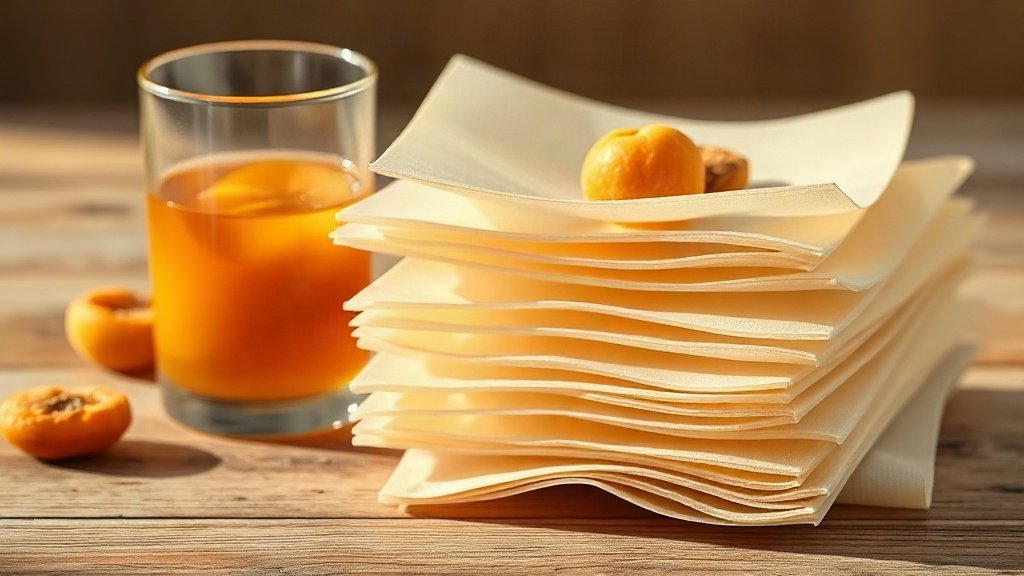
Illustration: AI-generated image
Qamar al-Din, which translates to 'moon of the religion', is a thick, sweet apricot nectar that holds a special place in the hearts and iftar tables of the Gulf region. Made from dried apricot sheets, this vibrant orange drink is synonymous with the holy month of Ramadan, offering a refreshing burst of energy after a day of fasting. But its appeal extends beyond Ramadan, as a cooling treat on hot days and a symbol of generosity in Gulf hospitality.
What is Qamar al-Din?
Qamar al-Din is essentially apricot leather—a dried sheet made from pureed apricots that have been cooked down, spread thin, and left to dry. These translucent, glossy sheets are amber to deep orange in colour and have a concentrated apricot flavour with a natural tang. The sheets are sold in markets across the Gulf, often stacked and wrapped in plastic or cellophane. To make the drink, pieces of the sheet are soaked in water, then blended or stirred until they dissolve into a smooth, velvety liquid. The result is a drink that is both sweet and slightly tart, with a rich texture that can be thinned to preference.
The origins of Qamar al-Din are often traced to Syria, where the technique of drying apricots into sheets was perfected. Over time, it spread throughout the Levant and into the Arabian Peninsula, becoming a staple of Ramadan in the Gulf. Its name is poetic—'moon of the religion'—possibly referencing the way the round sheets resemble a full moon, or perhaps the beloved nature of the drink during the religious month.
How It's Made and Served
Preparing Qamar al-Din at home is simple. The apricot leather is typically cut into small pieces and soaked in warm water for several hours or overnight. Once softened, the mixture is blended until smooth, then strained to remove any fibres. The resulting concentrate can be sweetened with sugar or honey, though many prefer the natural sweetness of the apricots. It is then diluted with cold water and often served chilled over ice. Some recipes add a splash of rose water or orange blossom water for extra fragrance, and a garnish of pine nuts or slivered almonds adds a pleasant crunch.
In the Gulf, Qamar al-Din is traditionally offered alongside dates and water to break the fast. It is also a popular drink at communal iftar gatherings, served in large pitchers or individual glasses. Its thickness and natural sugars provide quick energy, while its acidity aids digestion—welcome qualities after a day without food or drink. Outside Ramadan, it appears as a refreshing beverage during the summer months and at festive occasions.
Enjoying It in the Gulf
Beyond the drink, Qamar al-Din sheets can be eaten as a sweet snack or used in desserts. Some cooks stuff the softened leather with nuts and roll it into confections, while others incorporate it into pastries or puddings. The flavour of apricot is deeply comforting to many in the region, evoking memories of family gatherings and the scent of spices in the air during Ramadan nights.
When shopping for Qamar al-Din, look for sheets that are pliable, brightly coloured, and free of signs of mould. They keep well in a cool, dry place, making them a convenient pantry staple. To enjoy the drink at its best, serve it well chilled, perhaps with a few ice cubes and a sprinkling of crushed pistachios. Whether you are observing Ramadan or simply exploring Gulf flavours, Qamar al-Din offers a taste of tradition in every sip.