How to Care for Traditional Gulf Carpets and Rugs: A Practical Guide
Traditional Gulf carpets and rugs add warmth and heritage to a home. With the right daily care and occasional deep cleaning, they can last for generations.
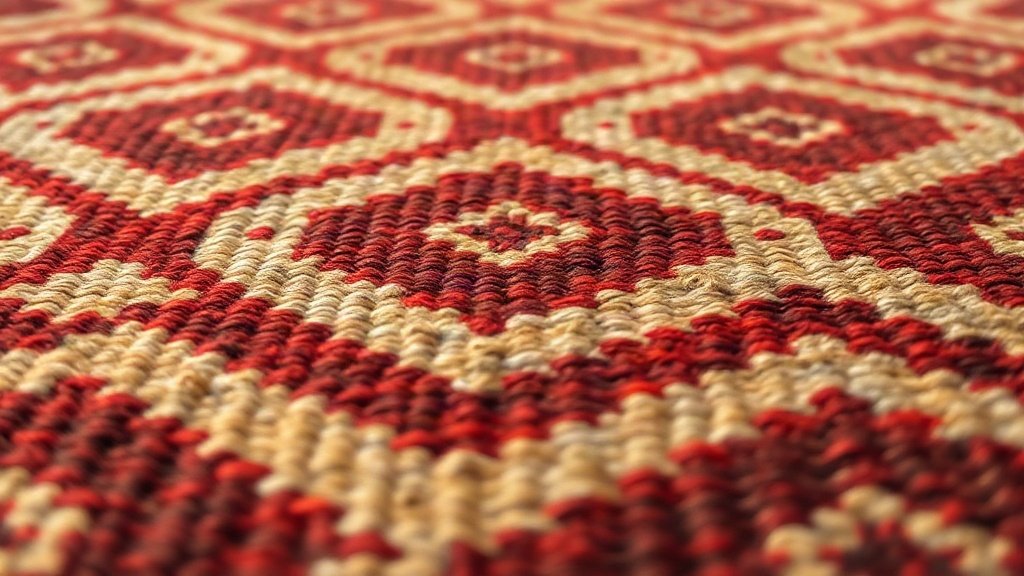
Illustration: AI-generated image
Traditional carpets and rugs are more than floor coverings in the Gulf — they are woven pieces of heritage, often handmade from wool and decorated with geometric patterns that have been passed down through generations. Whether you have a classic Bedouin rug, a Persian-influenced piece or a modern interpretation, a little regular attention goes a long way in preserving both its beauty and its value.
Everyday care: gentle habits that protect the fibres
Gulf carpets are usually made from natural fibres, which means they respond best to a light touch. Vacuum your rug once or twice a week using a suction-only setting; avoid beater bars or rotating brushes, which can pull at the weave and cause premature wear. If your vacuum has an upholstery attachment, use it on the fringes and edges for a softer clean.
Rotate the rug every few months so that foot traffic and sunlight exposure are distributed evenly. This simple step prevents one area from fading or wearing down faster than the rest. If the rug lies in a spot that receives strong afternoon sun, consider sheer curtains or blinds to filter the light — direct UV rays can bleach natural dyes over time.
Dealing with spills and stains
Act quickly when something spills. Blot the liquid with a clean, dry white cloth — never rub, as rubbing can push the stain deeper into the pile. For water-based spills, continue blotting with a slightly damp cloth and then dry the area with a fan or hairdryer on a cool setting. For oily marks, sprinkle a little cornflour or talcum powder, leave it for a few hours to absorb the oil, then vacuum it away.
Avoid using harsh chemical cleaners or soap on handmade rugs; they can strip natural oils from the wool and dull the colours. If a stain does not lift with basic blotting, it is best to consult a professional cleaner who specialises in handmade textiles.
Protecting your rug from everyday wear
Placing a quality rug pad underneath your carpet serves two purposes: it prevents slipping on tiled or marble floors, common in Gulf homes, and it cushions the fibres from the pressure of furniture and footsteps. Use felt or natural rubber pads rather than adhesive ones, which can leave residue on the floor or the rug backing.
If you have heavy furniture on the rug, move the pieces slightly every few months to avoid permanent indentations. When moving furniture, lift rather than drag to protect both the rug and the floor beneath.
Seasonal and deep cleaning
Even with regular vacuuming, dust and fine sand — abundant in the Gulf climate — settle deep into the pile. Take your rug outside two or three times a year, hang it over a sturdy railing, and gently beat it from the back with a broom handle or rug beater. This loosens embedded grit that a vacuum cannot reach. Avoid beating too hard, as that can damage the knots.
For a deeper clean, professional washing is recommended every one to two years, depending on use. Look for cleaners who have experience with handmade wool rugs and who use gentle, pH-neutral detergents. Never machine-wash or dry-clean a traditional rug at home, as the agitation and chemicals can shrink or distort it.
Storing your rug safely
If you need to store a rug, first have it professionally cleaned to remove any food particles or insect eggs. Roll the rug with the pile facing inward, wrap it in breathable cotton or muslin — never plastic, which traps moisture and encourages mildew — and store it in a cool, dry place. Avoid attics or garages where temperatures can fluctuate sharply. Check on stored rugs every few months and unroll them briefly to air them out.
Recognising when to seek help
Handmade rugs may occasionally need repairs, such as re-tying fringes, patching holes or restoring worn areas. Do not attempt these fixes yourself unless you have specific training; an experienced restorer can match dyes and weaves so the repair blends seamlessly. Early attention to small damage prevents it from spreading and preserves the rug's integrity.
With consistent, gentle care, a traditional Gulf carpet can remain a centrepiece of your home for decades — and a connection to the region's rich textile heritage.