Mashrabiya: The Wooden Lattice Screens of Gulf Architecture
A guide to the mashrabiya, the intricate wooden lattice screens that have shaped Gulf architecture for centuries, offering privacy, shade and natural ventilation.
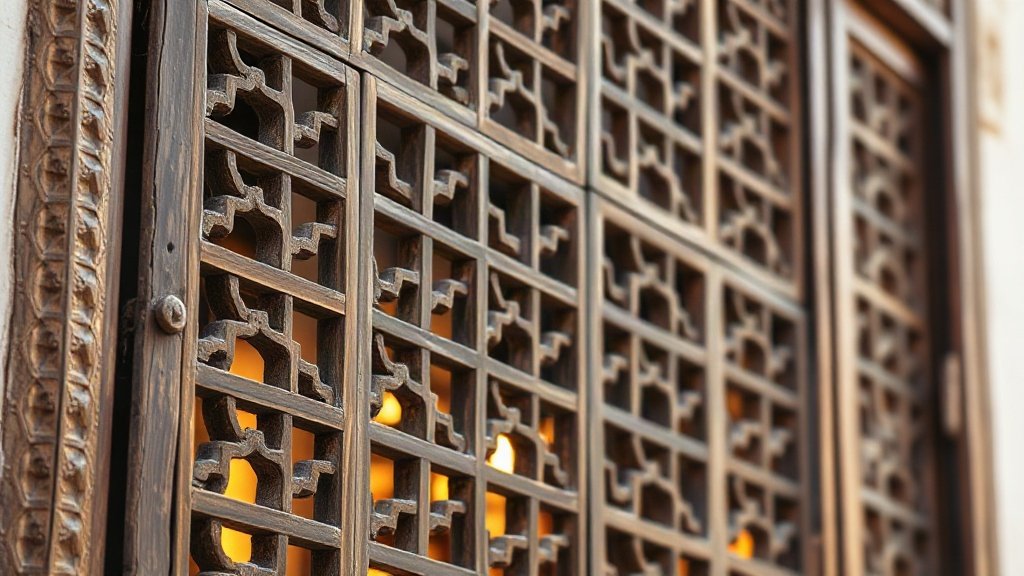
Illustration: AI-generated image
Few elements of Gulf architecture are as instantly recognisable as the mashrabiya: the finely carved wooden screen that covers windows, balconies and sometimes entire facades. For centuries, these latticework panels have provided shade, privacy and a gentle flow of air in homes across the Arabian Peninsula and beyond.
The word mashrabiya comes from the Arabic root for 'drinking', likely because the screens were often placed near where water jars were kept, allowing evaporation to cool the air that passed through. The concept is simple, but the execution is an art form.
How mashrabiya works
A traditional mashrabiya is made from small pieces of turned wood, assembled into a geometric grid with no glue or nails. The pattern typically consists of repeating circular or polygonal openings that allow air to move while blocking direct sunlight and the view from outside. During the day, hot air outside is slowed and cooled as it passes through the wooden lattice, creating a comfortable breeze indoors.
The screen also serves a social purpose. It allows those inside—especially women—to observe the street below without being seen, preserving privacy in a way that solid walls cannot. This dual function made the mashrabiya a central feature of traditional homes, from the narrow lanes of old Jeddah to the courtyard houses of Dubai and Doha.
Craftsmanship and patterns
Mashrabiya making was a skilled trade passed down through generations. Craftsmen used local woods such as teak, imported from India, or palm wood, carving each piece by hand. The patterns vary by region: some feature large octagons, others intricate star shapes or tight mesh. The most elaborate screens incorporate hundreds of small turned spindles, creating a lace-like effect that is as beautiful from inside as it is from outside.
The craft declined in the mid-20th century as modern building materials and air conditioning replaced traditional methods. But in recent decades, architects and artisans have revived the mashrabiya, often using contemporary materials like aluminium or fibreglass while keeping the original geometric patterns.
Where to see mashrabiya today
Authentic examples can still be found in restored heritage districts across the Gulf. In Saudi Arabia, the historic Al-Balad district of Jeddah is famous for its mashrabiya-covered houses, some of which date back hundreds of years. In the UAE, the Al Fahidi Historical Neighbourhood in Dubai and the Al Ain Oasis have reconstructed buildings with traditional screens. Qatar's Msheireb Museums also showcase the craft in its cultural exhibits.
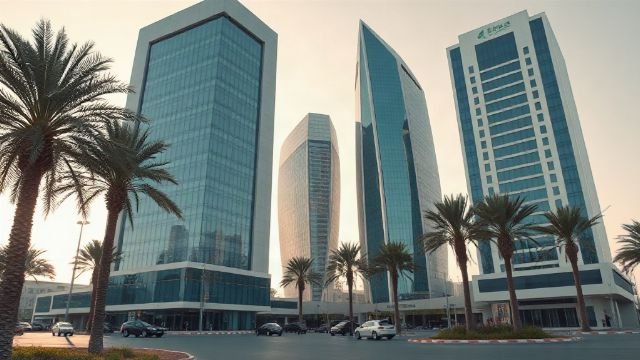
Many contemporary buildings in the region incorporate mashrabiya-inspired facades, from government buildings to hotels and private villas. The screens provide shade and reduce energy consumption while giving a nod to the region's architectural heritage.
For visitors and residents alike, the mashrabiya is a reminder that the Gulf's old building traditions were not only beautiful but also remarkably intelligent. As the region looks to sustainable design, the humble wooden screen is once again proving its worth.