Margoog: A Guide to the Gulf's Rustic Vegetable and Dumpling Stew
Margoog is a hearty one-pot stew from the Gulf, where tender meat and vegetables are simmered with thin pieces of dough. This comforting dish is a staple in many homes, especially during the cooler months.
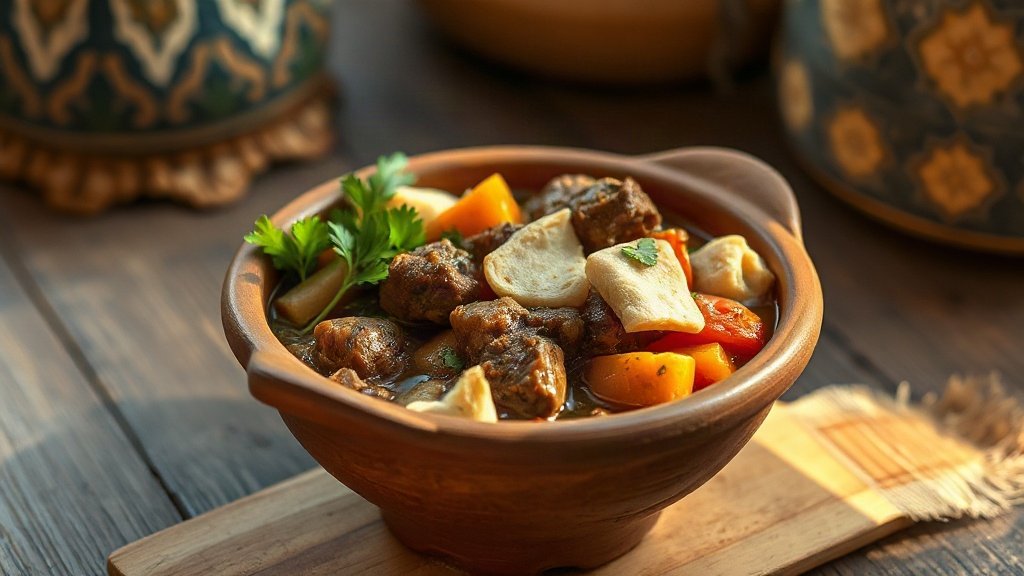
Illustration: AI-generated image
Walk into a Gulf kitchen on a winter evening and you might catch the aroma of margoog simmering on the stove. This rustic stew, beloved across the Arabian Peninsula, combines slow-cooked meat, seasonal vegetables and thin pieces of dough in a single pot. Simple, wholesome and deeply comforting, margoog is a reminder of the region's nomadic roots and the value of making the most of simple ingredients.
What is margoog?
Margoog (also spelled margoug or marqooq) is a traditional dish found in Saudi Arabia, the UAE, Qatar, Bahrain, Kuwait and Oman. The name comes from the Arabic word raqeeq, meaning "thin", referring to the flat pieces of dough that are added to the stew. Unlike many other Gulf dishes that rely on rice as the main carbohydrate, margoog uses these soft, tender dough pieces, making it a uniquely satisfying one-pot meal.
The dish is often prepared at home rather than in restaurants, and recipes vary from family to family. Some versions are heavy on vegetables, while others let the meat take centre stage. What remains consistent is the method: a flavourful broth is built first, then the dough is added towards the end so it absorbs the liquid and becomes soft.
Key ingredients
The beauty of margoog lies in its flexibility. Most recipes start with a base of lamb, chicken or sometimes fish, which is browned with onions and a blend of Gulf spices such as baharat, loomi (dried lime), turmeric and cumin. Tomatoes, tomato paste and water or stock create a rich, tangy broth.
Seasonal vegetables are then added. Typical choices include:
- Courgettes (zucchini)
- Carrots
- Potatoes
- Pumpkin or squash
- Aubergines (eggplant)
- Green beans
Then comes the dough. Made from just flour, water and a pinch of salt, the dough is rolled out thinly and either cut into small squares or torn into rustic pieces. These are dropped into the bubbling stew, where they cook until tender and absorb the flavours of the broth.
How margoog is made
Making margoog is a labour of love, but the process is straightforward. Start by browning your meat in a large pot with a little oil. Add finely chopped onions and cook until soft, then stir in garlic, spices and tomato paste. Pour in enough water or stock to cover the meat, and let it simmer until the meat is nearly tender.
While the meat cooks, prepare the vegetables and the dough. For the dough, combine flour, water and salt to form a stiff but pliable ball. Divide it into smaller portions and roll each one out into a thin sheet, about 2–3 mm thick. Some cooks leave the sheets whole and tear them by hand directly into the pot, while others cut them into squares or diamonds.
Once the meat is almost done, add the vegetables and let them simmer for 10–15 minutes. Then, gently drop the dough pieces into the stew, making sure they are submerged. Cook for another 10 minutes or until the dough is soft and the stew has thickened slightly. Season with salt, pepper and a final sprinkle of dried lime powder or fresh coriander.
Serving and eating margoog
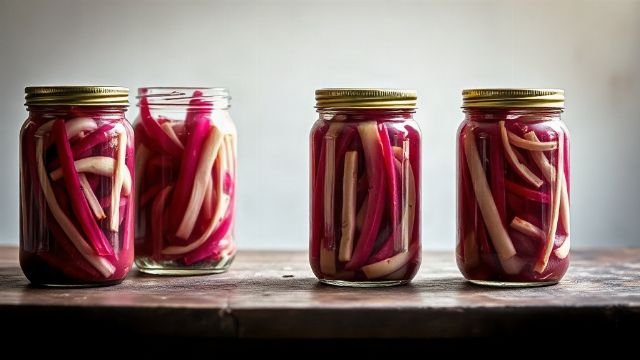
Margoog is typically served in a large communal dish, often placed on a mat on the floor for family members to gather around. It is eaten with the right hand, using pieces of the soft dough to scoop up the meat and vegetables. Many people enjoy it with a side of fresh salad, laban (yoghurt) or pickles, and a glass of cold water or laban drink.
In the cooler months, margoog is a common dish for Friday family lunches or informal gatherings. It is especially welcome after a day outdoors, as it warms the body and provides lasting energy. Some families make a large batch and freeze portions for busy weekdays, as the flavours often improve the next day.
A dish rooted in tradition
Margoog's history is tied to the Gulf's Bedouin heritage, where resources were scarce and meals needed to be filling and economical. Dough was a cheaper alternative to rice, and whatever vegetables were available went into the pot. Today, the dish remains a symbol of home cooking, passed down through generations.
If you have never tried margoog, look for it in traditional Gulf restaurants, especially those specialising in local home-style food. Better yet, try making it yourself—the process is forgiving, and the result is a bowl of comfort that speaks of Gulf hospitality and warmth.