How to Make Torshi: The Gulf's Tangy Fermented Pickles
Learn to make torshi, the traditional pickled vegetables served across the Gulf, with this simple step-by-step guide.
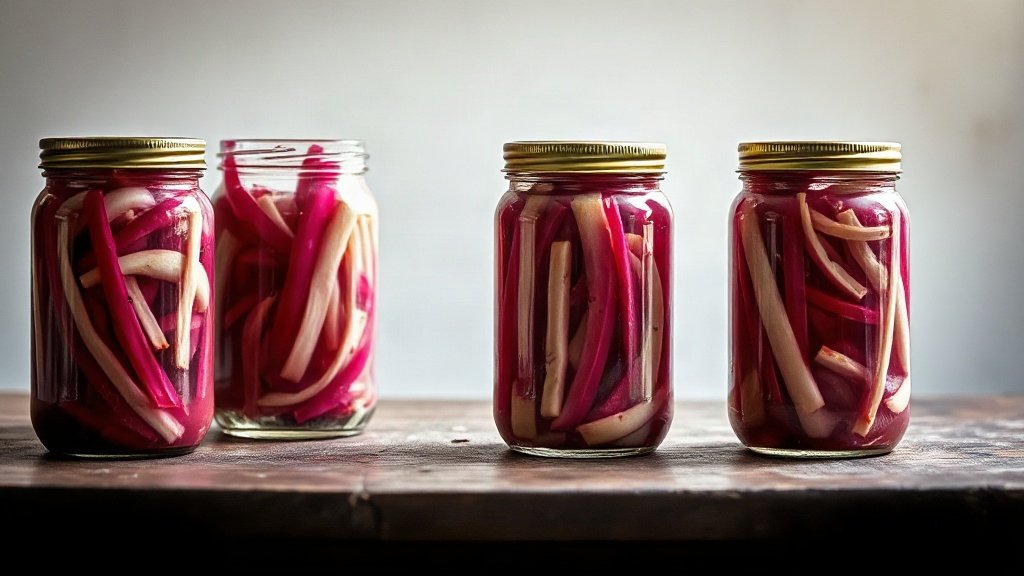
Illustration: AI-generated image
Torshi, the Arabic word for pickles, is a beloved accompaniment to meals across the Gulf and the wider Arab world. Made from a colourful mix of vegetables preserved in vinegar and salt, these tangy, crunchy pickles add a bright contrast to rich rice dishes, grilled meats, and simple flatbreads. Making your own torshi at home is surprisingly simple, requires no special equipment, and allows you to control the level of saltiness and spice to suit your taste.
What You Will Need
The beauty of torshi lies in its flexibility. Almost any firm vegetable can be pickled, but the most traditional choices in the Gulf include turnips, cucumbers, carrots, cauliflower, and beetroot. Beetroot is often added for its vibrant pink colour, which bleeds into the brine and gives classic Gulf torshi its distinctive hue. You will also need:
- Vegetables: about 1 kg in total, washed and cut into bite-sized pieces or thin slices.
- Salt: fine sea salt or pickling salt, roughly 2 tablespoons per litre of water.
- Vinegar: white vinegar or apple cider vinegar, about 250 ml per litre of water.
- Garlic: a few cloves, peeled and lightly crushed.
- Spices (optional): black peppercorns, coriander seeds, or a small dried chilli for heat.
- Boiled and cooled water: enough to cover the vegetables in your jar.
You will also need a clean glass jar with a tight-fitting lid. Sterilise the jar by washing it in hot soapy water and rinsing well, then letting it air dry completely.
Step-by-Step Method
- Prepare the vegetables. Peel the carrots and turnips, and trim the cucumbers. Cut everything into similar-sized pieces so they pickle evenly. If using beetroot, wear gloves to avoid staining your hands, and add it last as its colour will dominate.
- Make the brine. In a large bowl, dissolve the salt in the boiled and cooled water. Stir in the vinegar. The ratio of water to vinegar can be adjusted to taste, but a good starting point is 3 parts water to 1 part vinegar. Add the garlic and any spices you like.
- Pack the jar. Place the vegetable pieces into the sterilised jar, leaving about 2 cm of headspace at the top. Pour the brine over the vegetables until they are completely submerged. If necessary, use a small clean weight (such as a smaller jar filled with water) to keep the vegetables under the liquid.
- Seal and store. Close the jar tightly and leave it at room temperature, away from direct sunlight, for 3 to 5 days. You will notice the brine becoming cloudy and slightly bubbly—this is a sign of natural fermentation. Taste a piece after day 3; if you prefer a stronger tang, leave it for a day or two longer.
- Refrigerate. Once the torshi reaches your desired level of sourness, transfer the jar to the refrigerator. This slows down the fermentation and keeps the pickles crisp. Homemade torshi will keep for several weeks when refrigerated.
Tips for Success
- Always use clean utensils when removing torshi from the jar to prevent contamination.
- If the vegetables float above the brine, they may spoil, so ensure they are fully submerged.
- For a quicker version, you can make "quick pickles" by bringing the brine to a boil, pouring it over the vegetables while hot, and then refrigerating once cool. These are ready to eat within a day but have a shorter shelf life.
- Experiment with different spice combinations—cumin, mustard seeds, and dried herbs all work well.
Serving Suggestions
Torshi is traditionally served as a side dish alongside main meals, especially with rice-based dishes like machboos or mandi. It also pairs beautifully with grilled meats, falafel, or simply with warm khubz and labneh. A small bowl of torshi on the table adds a refreshing, acidic balance that cuts through rich flavours and aids digestion.
Making torshi at home is a rewarding way to connect with Gulf culinary traditions while reducing food waste. It is a forgiving process that welcomes experimentation—so start with your favourite vegetables and enjoy the tangy results.