How to Host a Gulf-Style Barbecue: A Practical Guide
From choosing the right charcoal to marinating meats and grilling perfect kebabs, here's how to bring the flavours of a Gulf barbecue to your own home.
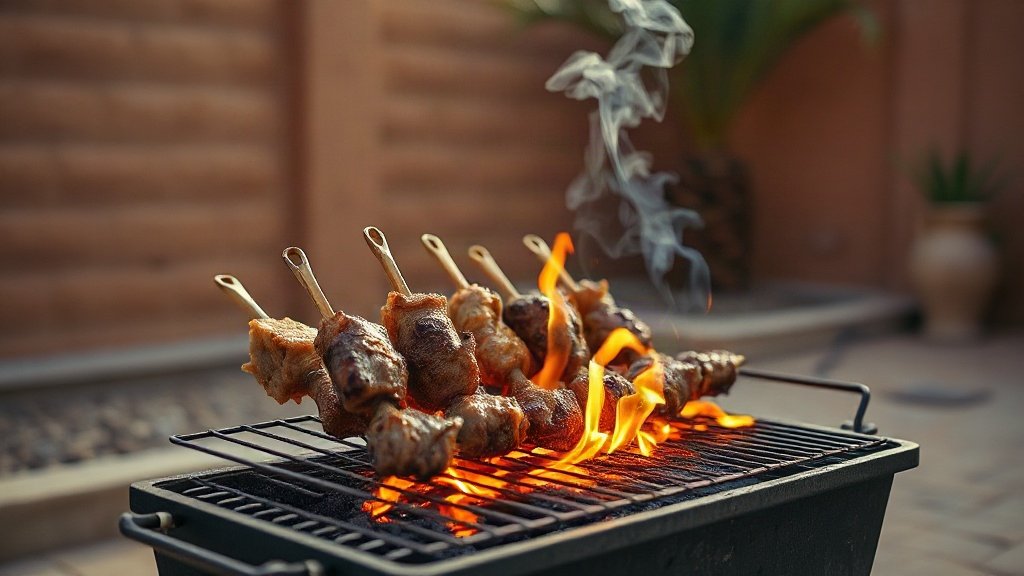
Illustration: AI-generated image
Barbecue is more than a meal in the Gulf — it is a social gathering that brings family and friends together around the smoky aroma of grilled meat. Known locally as mashawi or simply "barbecue", this outdoor cooking tradition is a highlight of cooler evenings and weekend afternoons. With the right techniques and a few key ingredients, you can recreate the experience at home.
Choosing Your Charcoal and Grill
The foundation of a good Gulf barbecue is the charcoal. Traditional cooks prefer natural lump charcoal or hardwood charcoal, which burns hotter and adds a subtle smokiness. Avoid instant-light briquettes, as they can impart a chemical taste. A simple charcoal grill, kettle grill or even a portable box grill works well. Make sure the coals are glowing white before you start cooking, as this indicates they are ready and at the right temperature.
Marinades and Meats
Gulf-style barbecue often features lamb, chicken, and occasionally beef. The meat is typically cut into cubes or strips and marinated for several hours, or overnight, to absorb flavour. A basic marinade might include:
- Yogurt or lemon juice for tenderness
- Garlic and ginger paste
- Ground spices such as cumin, coriander, paprika, and turmeric
- Salt and black pepper
- A touch of olive oil
For a classic shish tawook, chicken cubes are marinated in yogurt, lemon, garlic, and a blend of warm spices. Lamb kebab often uses minced meat mixed with onion, parsley, and spices, then shaped onto skewers. Fish, such as hammour or kingfish, can also be grilled whole or in steaks, brushed with a simple mix of lemon, garlic, and dried herbs.
Grilling Techniques for Perfect Results
Thread marinated meat onto metal or soaked wooden skewers, leaving a little space between pieces so heat can circulate. For larger cuts, use a two-zone fire: pile coals on one side for direct high heat, and leave the other side empty for indirect cooking. Sear the meat over the hot side to develop a crust, then move it to the cooler side to finish cooking through without burning.
Turn skewers regularly to ensure even browning. Baste with leftover marinade or a mix of melted butter and lemon juice during the last few minutes for extra moisture and shine. Avoid overcooking — chicken should reach an internal temperature of 75°C, while lamb and beef can be cooked to your preferred doneness.
Classic Sides and Drinks
A Gulf barbecue is rarely complete without a spread of fresh sides. Warm flatbreads, such as khubz or roti, are used to wrap the grilled meat. Salads like fattoush (toasted bread salad) or tabbouleh (parsley and bulgur) add freshness. A simple tomato and onion salad with lemon and mint also works well. For drinks, mint lemonade or a spiced tea like karak are popular choices, though chilled water is essential.
Hosting Tips for a Relaxed Gathering
Prepare your marinades and salads in advance so you can spend more time with guests. Set up a serving area with plates, cutlery, and plenty of napkins. If you are grilling for a large group, consider cooking in batches to keep the meat hot and fresh. Finally, remember that the best part of a Gulf barbecue is the shared experience — encourage guests to help themselves and enjoy the meal slowly.