Madhbi: A Guide to the Gulf's Stone-Grilled Meat
Discover madhbi, the traditional Gulf method of grilling marinated meat on hot stones, and how it differs from other regional rice dishes.
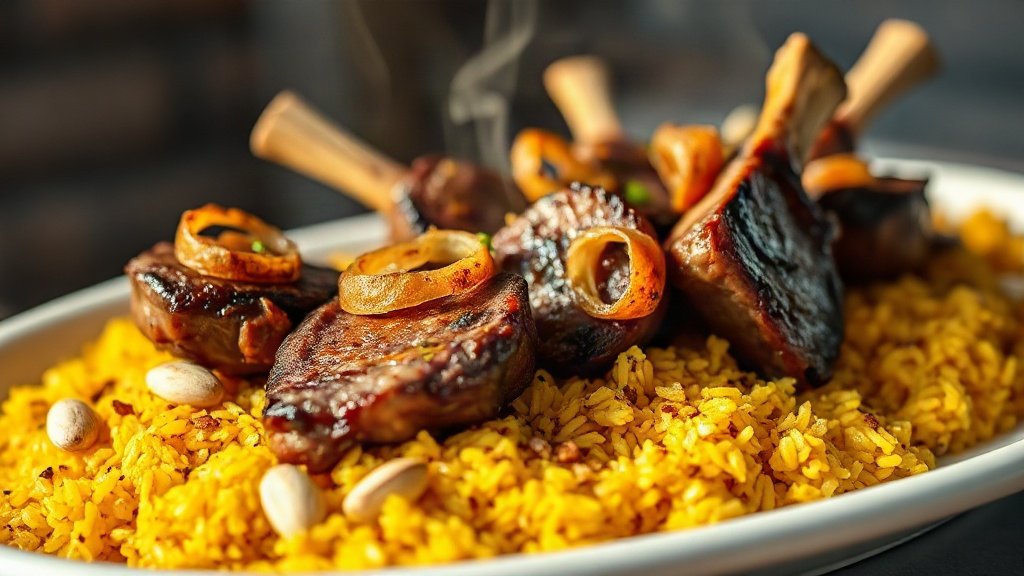
Illustration: AI-generated image
If you have ever eaten at a Gulf restaurant and noticed platters of smoky, charred meat served over rice, you may have enjoyed madhbi. This traditional method of grilling meat on hot stones is a beloved part of the region's culinary heritage, and it is easier to understand than you might think.
What is madhbi?
Madhbi is a cooking technique and a dish that originated in the Arabian Peninsula, particularly in Saudi Arabia and Yemen, and it has become popular across the Gulf. The name comes from the Arabic word for 'grilled on stones'. Unlike mandi, which is cooked in an underground oven, or madfoon, which is buried, madhbi involves placing marinated meat directly on heated stones or a flat metal griddle over an open fire.
The stones are typically volcanic or granite, and they are heated until very hot. The meat — usually lamb, chicken, or sometimes fish — is laid on the stones, where it sears and cooks slowly, absorbing a subtle smoky flavour. The result is tender, juicy meat with a crisp, charred exterior.
How is madhbi made?
The process begins with marinating the meat. A typical marinade includes a blend of warm spices such as black lime (loomi), cumin, coriander, cardamom, and turmeric, along with garlic, ginger, and a little oil or yoghurt. The meat is left to marinate for several hours, allowing the flavours to penetrate.
Traditionally, a fire is built in a pit or a special madhbi oven, and clean stones are placed over the flames until they are glowing. The marinated meat is then placed directly on the stones and covered, allowing it to cook in its own steam and the radiant heat. As the fat drips onto the hot stones, it creates aromatic smoke that infuses the meat.
In restaurants and home kitchens, a flat metal griddle or a heavy cast-iron pan is often used as a modern substitute, mimicking the effect of the stones.
Serving and eating madhbi
Madhbi is usually served on a large platter over a bed of spiced rice, often the same fragrant rice used for mandi or kabsa. The meat is arranged on top, and the dish is garnished with fried onions, raisins, and nuts. It is common to serve madhbi with a side of fresh salad, yoghurt, and a tangy tomato sauce called daqqus.
Eating madhbi is a communal affair. Traditionally, diners gather around the platter and eat with their right hand, using pieces of flatbread to scoop up rice and meat. Even in more formal settings, the dish retains a sense of shared enjoyment.
Madhbi at home
If you want to recreate the experience at home, you do not need a stone-lined pit. A heavy cast-iron skillet or a pizza stone placed on a barbecue or in a very hot oven can produce a similar effect. The key is to get the cooking surface very hot before adding the meat, and to let the meat rest after cooking so the juices redistribute.
You can find ready-made madhbi spice blends in many Middle Eastern grocery stores, or you can make your own by combining ground cumin, coriander, black lime, cardamom, and turmeric. Marinate chicken or lamb for at least two hours, then grill or roast it until cooked through. Serve over basmati rice cooked with a little saffron and whole spices for an authentic touch.
Why madhbi matters
Madhbi is more than just a meal — it is a reflection of the region's resourcefulness and love of simple, bold flavours. The technique of cooking on hot stones has been used for centuries, long before modern ovens and grills. Today, it remains a favourite for family gatherings, celebrations, and everyday meals across the Gulf.
Whether you try it at a local restaurant or attempt it in your own kitchen, madhbi offers a delicious way to connect with the culinary traditions of the Arabian Peninsula.