Luqaimat: A Practical Guide to the Gulf's Beloved Sweet Dumplings
One of the most delightful tastes of the Arabian Gulf, these golden, syrup-soaked dumplings are a must-try for visitors. Here's what they are, where to find them and how to eat them like a local.
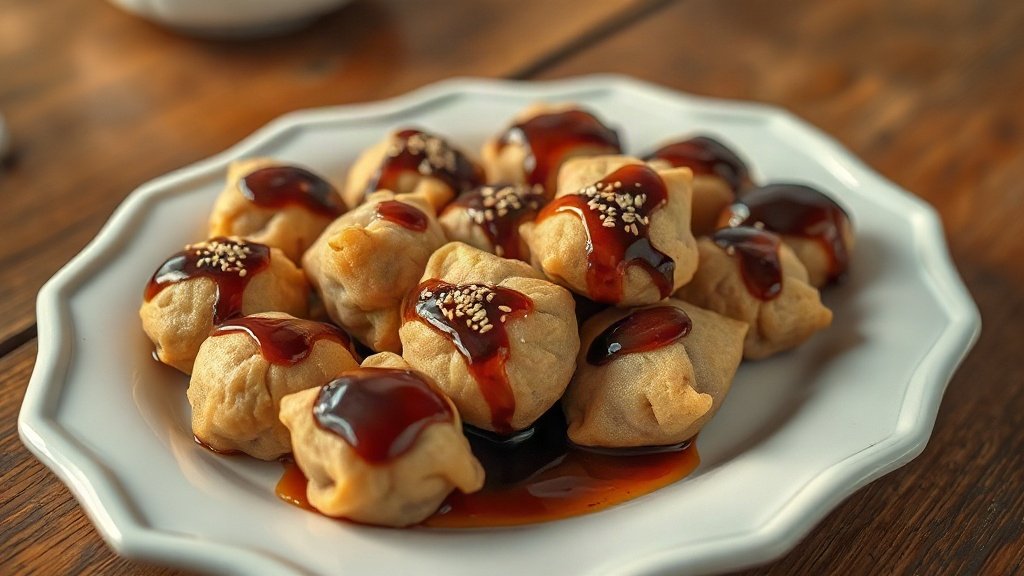
Illustration: AI-generated image
Among the many culinary treasures of the Arabian Gulf, few treats are as instantly loveable as luqaimat. These small, golden-brown dumplings are crisp on the outside, pillowy soft within, and drenched in fragrant syrup. For visitors, they offer a sweet introduction to the region's deep-rooted food traditions.
What are Luqaimat?
The name luqaimat (also spelled lugaimat or loqaimat) comes from the Arabic word for "small bites" or "morsels," and it perfectly describes these irregular, bite-sized fritters. Made from a simple batter of flour, yeast, milk, sugar and a touch of saffron or cardamom, the dough is scooped by hand or spoon and dropped into hot oil, where it puffs up into craggy, golden spheres. They are then drizzled generously with date syrup, honey or a sugar syrup, and often finished with a scattering of sesame seeds.
The recipe varies slightly from country to country and even from family to family. In the UAE, luqaimat are a staple at Ramadan iftars and festive gatherings. In Saudi Arabia, they are known as luqmat al-qadi and often flavoured with rosewater or orange blossom. Across the Gulf, the core appeal remains the same: a warm, comforting sweet that celebrates simplicity.
The Taste and Texture
The magic of luqaimat lies in its contrast. The exterior is delicately crunchy from the fryer, while the inside stays light, airy and slightly chewy. The syrup seeps into the crevices, adding a deep, caramel-like sweetness that is never cloying when balanced by the nutty sesame. Some versions add a hint of saffron for a golden hue and subtle earthiness, while cardamom lends a gentle, citrusy warmth. Eaten warm, they are utterly moreish.
Where to Find Them
Luqaimat are widely available throughout the Gulf, from bustling souqs and traditional cafés to modern restaurants and hotel dessert menus. In the UAE, look for them at heritage areas and local eateries, where they are often prepared fresh in open kitchens. In Saudi Arabia and Qatar, they appear at family gatherings and in sweet shops, while in Kuwait and Bahrain they are a beloved year-round snack. Many Ramadan tents and iftar buffets feature them as a signature dessert. For the best experience, seek out a place that makes them to order, ensuring they arrive hot and crisp.
How to Eat Them
There is no formal etiquette to enjoying luqaimat; they are a hands-on treat. Simply pick one up with your fingers, making sure it is well coated in syrup, and pop it whole. The combination of warm dough and cool syrup is best when eaten immediately. They pair wonderfully with a cup of gahwa (Arabic coffee), whose slight bitterness cuts through the sweetness and reflects a classic Gulf hospitality pairing. If you are served luqaimat at a majlis, accept them with your right hand and express your appreciation—the host will likely insist you take more.
For travellers eager to understand the flavours of the region, luqaimat is an essential taste. It is a reminder that the Gulf's cuisine is not only about savoury rice dishes and grilled meats but also about moments of pure, uncomplicated sweetness shared with family and friends.