A Guide to the Kandura: Understanding Gulf Men's Traditional Robe
From its origins to everyday care, here's what newcomers to the Gulf should know about the kandura, the flowing white robe worn by men across the region.
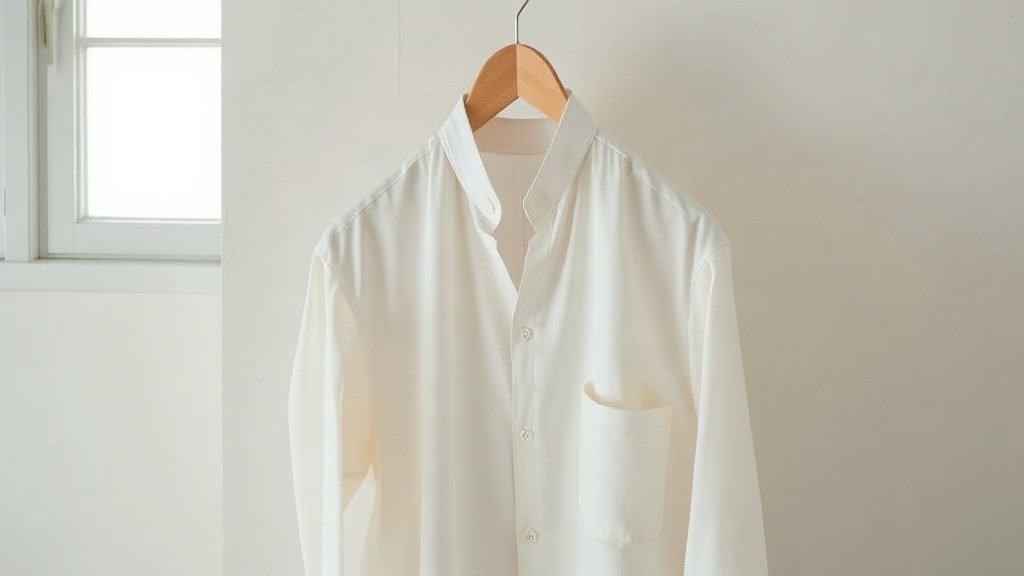
Illustration: AI-generated image
The kandura is one of the most recognisable symbols of Gulf culture. Known as a dishdasha in some countries and a thobe in others, this long, flowing robe is worn daily by men across the Arabian Peninsula. For anyone new to the region, understanding the kandura offers a window into local traditions and practical desert living.
At first glance, the kandura appears simple: a loose-fitting, ankle-length garment with long sleeves. But details vary by country and personal taste. In the United Arab Emirates, the kandura typically has a round neckline and no collar, with a long twisted tassel called a tarboosh hanging from the neckline. This tassel is often scented with perfume or oud. In Saudi Arabia and other Gulf states, the thobe often features a stiff collar and buttoned placket. Most kanduras have side pockets and a chest pocket, and some include a hidden inner pocket for small items.
The fabric is chosen for the climate. Summer kanduras are usually made from light cotton or cotton blends that breathe in high heat and humidity. Winter versions may use heavier cotton, wool blends, or even fine polyester. White is the most common colour year-round, reflecting sunlight and keeping the wearer cool. During cooler months, men may wear kanduras in shades of beige, grey, blue, or even darker colours. The loose fit allows air to circulate, making it remarkably comfortable even on the hottest days.
Choosing and Wearing a Kandura
Most men have kanduras tailored rather than bought off the rack. A well-fitted kandura should be neither too tight nor too billowy; the sleeves should end at the wrist, and the hem should brush the top of the foot without dragging. Many tailors in Gulf souqs specialise in making kanduras to measure, often within a day or two. While tailor shops are common, the garment can also be purchased ready-made in department stores.
Under the kandura, men typically wear a lightweight cotton undershirt and a wizar, a wrap-around cloth tied at the waist that acts as underwear. On the head, the kandura is paired with a ghutra (square scarf) and agal (black cord), though some men wear only a knitted cap called a tagiyah underneath the ghutra. The ghutra is folded and placed on the head, then secured with the agal. This combination completes the traditional look and provides sun protection.
Caring for Your Kandura
Keeping a white kandura crisp requires regular care. Most men have several kanduras in rotation, sending them to a laundry or dry cleaner for professional pressing. At home, wash white kanduras with a mild detergent and oxygen-based bleach to maintain brightness; coloured ones should be washed separately in cold water. Ironing is essential—many households use spray starch to achieve the sharp creases seen on a freshly pressed kandura. Hang the garment on a wide hanger immediately after ironing to prevent wrinkles, and store it in a breathable garment bag to protect it from dust and humidity.
Etiquette and Cultural Notes
The kandura is more than clothing; it is a marker of identity and respect. In formal settings, such as government offices or traditional gatherings, a crisp white kandura is the norm. During winter, coloured kanduras are acceptable, but white remains the most formal choice. Non-Gulf residents are not expected to wear a kandura, but if invited to do so for a special occasion, it is seen as a sign of appreciation and respect. Always ensure it is clean and well-ironed, and pair it with appropriate footwear, such as sandals or formal shoes.
Whether you are observing daily life in the Gulf or considering wearing one yourself, the kandura is a practical, elegant garment deeply rooted in the region's heritage. Understanding its nuances helps newcomers appreciate the thoughtfulness behind this iconic piece of clothing.