How to Introduce Arabic to Your Children in the Gulf: A Parent's Guide
Living in the Gulf offers a wonderful opportunity for children to learn Arabic. Discover practical, playful ways to help your kids pick up the language at home and in the community.
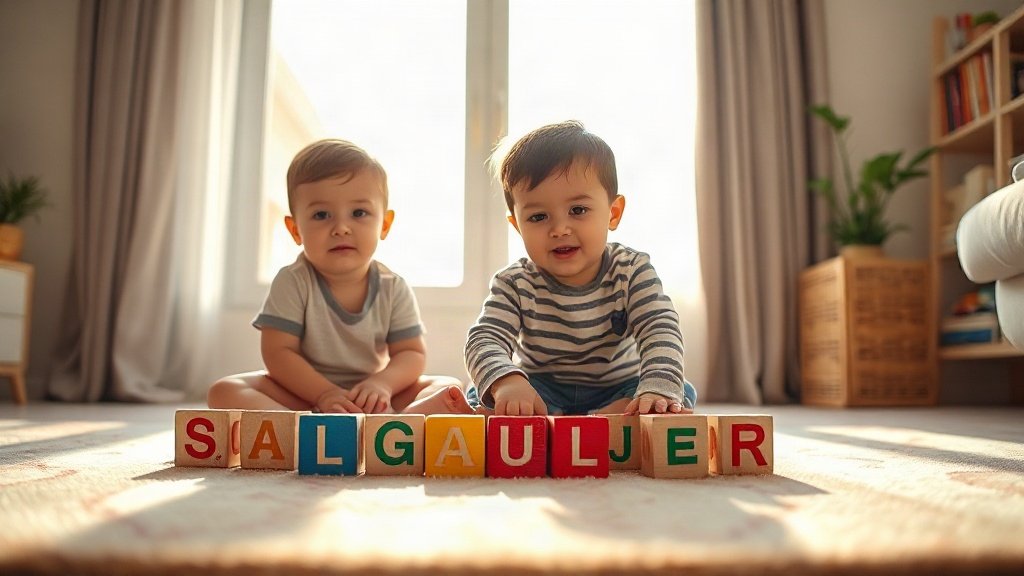
Illustration: AI-generated image
Raising children in the Gulf gives families a unique chance to introduce Arabic from an early age. Whether you are a long-term resident or a newcomer, surrounding your child with the language can be both natural and enjoyable. Here are practical ways to help your little ones begin their Arabic journey.
Start Early and Make It Playful
Children absorb languages best through play and daily interaction. Even if you do not speak Arabic yourself, you can create a language-rich environment. Sing simple Arabic nursery rhymes, count stairs or toys in Arabic, and use colourful flashcards with basic words like shams (sun), bahr (sea) and qamar (moon). Many picture books and apps designed for young learners are widely available; choose ones with clear audio and cheerful visuals.
Use Everyday Moments as Teaching Opportunities
Point out Arabic in your surroundings: street signs, shop names, food packaging and mosque notices. Encourage your child to identify letters they recognise. When shopping, name fruits and vegetables in Arabic, and praise any attempt your child makes to repeat the words. Simple greetings like sabah al-khair (good morning) and shukran (thank you) can become part of your family routine.
Explore Community Resources
Many Gulf cities offer free or low-cost activities that gently immerse children in Arabic. Look for story time sessions at local libraries, children’s workshops at cultural centres, or playgroups organised by community groups. Even watching Arabic children’s television programmes together can be a fun way to pick up vocabulary and correct pronunciation.
Be Patient and Consistent
Every child learns at their own pace, and consistency matters more than perfection. Set small, achievable goals—such as learning one new word a day—and celebrate each milestone. Avoid pressure; the aim is for your child to feel positive about Arabic, not overwhelmed. Over time, these gentle exposures build a strong foundation for both language and cultural appreciation.
By weaving Arabic into your child’s everyday life, you give them a gift that goes far beyond words—a deeper connection to the country you call home.