Luqaimat: A Guide to the Gulf's Golden Fried Dumplings
Crisp on the outside, soft within, and drenched in date syrup, luqaimat are the bite-sized sweet that captures the spirit of Gulf hospitality. Here's what makes them so beloved.
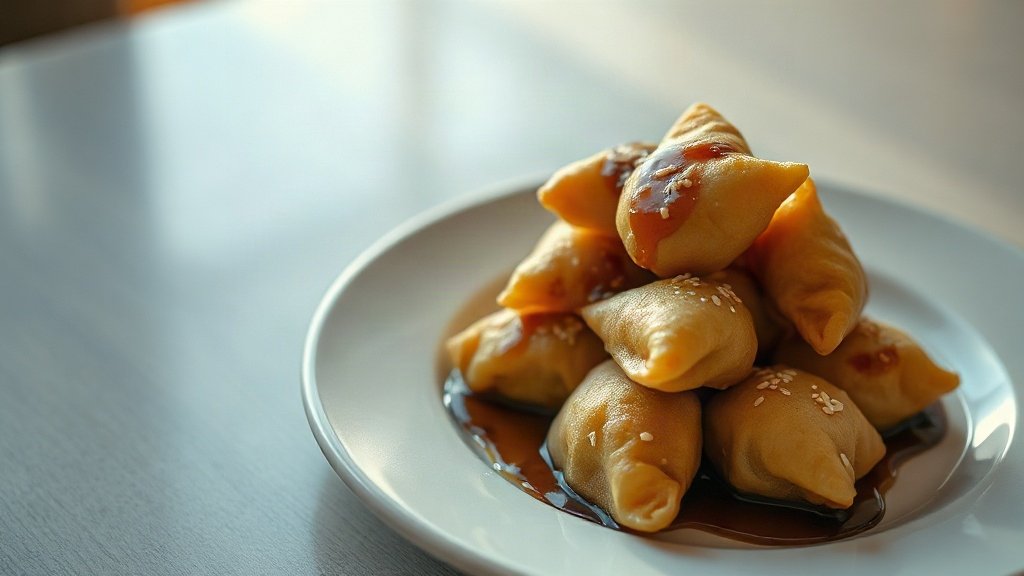
Illustration: AI-generated image
Across the Gulf, from bustling Ramadan tents to family gatherings, few sweets evoke as much warmth as luqaimat. These small, golden dumplings—crisp on the outside and pillowy inside—are a cornerstone of Emirati, Bahraini, and wider Gulf home cooking. Often drizzled with date syrup or honey and scattered with sesame seeds, they deliver a perfect balance of crunch, chew, and sweetness.
What Are Luqaimat?
The name luqaimat (also spelled lugaimat or loqaimat) comes from the Arabic word for “small bites” or “morsels.” True to their name, they are made by dropping spoonfuls of a simple yeasted batter into hot oil, where they puff into irregular, golf-ball-sized spheres. Once fried to a deep amber, they are tossed in sticky date syrup (dibs) or a light sugar syrup, and often finished with a sprinkle of toasted sesame seeds or a dusting of ground cardamom.
Luqaimat share a family resemblance with other fried dough sweets across the region, such as awamat in the Levant or gulab jamun in South Asia, but the Gulf version is distinct in its texture and emphasis on date syrup. The interior is airy and slightly elastic, while the crust shatters gently with each bite.
Cultural Roots and When They Are Served
Luqaimat hold a special place on the Ramadan table, where they are a fixture at iftar, the meal that breaks the daily fast. Their quick energy from sugar and carbohydrates, paired with the comfort of fried dough, makes them an ideal post-fast treat. However, they are not confined to Ramadan: they appear at Eid celebrations, weddings, and casual family gatherings throughout the year. Many Gulf households have their own recipe, passed down through generations, and the sight of a bubbling pot of oil signals celebration.
Traditionally, making luqaimat was a communal activity. Women would gather to mix the batter, shape the dumplings, and fry them in large batches, often using a special slotted spoon to coax the dough into rounds. Today, they are also a popular street food, sold from small stalls and dessert shops, but homemade versions remain the gold standard.
How Luqaimat Are Made
The batter is deceptively simple: flour, yeast or baking powder, a little sugar, salt, and warm water or milk. Some recipes include a spoonful of yoghurt for tenderness or a pinch of saffron for colour and aroma. After mixing, the batter is left to rest until it becomes bubbly and slightly elastic—this step is key to achieving the airy interior.
To fry, a cook scoops up a small portion of batter with a wet spoon or their fingers and drops it into hot oil. The dough puffs immediately, turning itself over as it cooks. The result is a rustic, craggy sphere rather than a perfect ball. Once golden, the dumplings are drained and then either dunked into warm date syrup or drizzled generously on top. A final sprinkle of sesame seeds adds nutty crunch, while a pinch of cardamom lends a fragrant note.
Serving and Variations
While date syrup is the classic accompaniment, some prefer honey, simple sugar syrup, or even a dusting of powdered sugar. In the UAE, luqaimat are sometimes served with a side of chami (a light cheese) or a cup of Arabic coffee (gahwa) to cut the sweetness. Across the Gulf, you may find variations: in Bahrain, the dumplings might be slightly larger and soaked in rose-scented syrup; in Kuwait, black sesame is a common topping.
For those without a deep fryer at home, many Gulf restaurants and dessert shops serve luqaimat year-round, often presented on a platter with a small jug of syrup. They are best enjoyed warm, straight from the fryer, when the contrast between the crisp shell and soft crumb is at its peak.
Whether you encounter them at a festive iftar or a quiet afternoon tea, luqaimat offer a taste of Gulf generosity in every bite—humble, sweet, and impossible to stop eating.