Luqaimat: A Guide to the Gulf's Crispy Golden Dumplings
These bite-sized fried dumplings, crisp outside and pillowy within, are a beloved treat across the Arabian Peninsula, especially during Ramadan and festive gatherings.
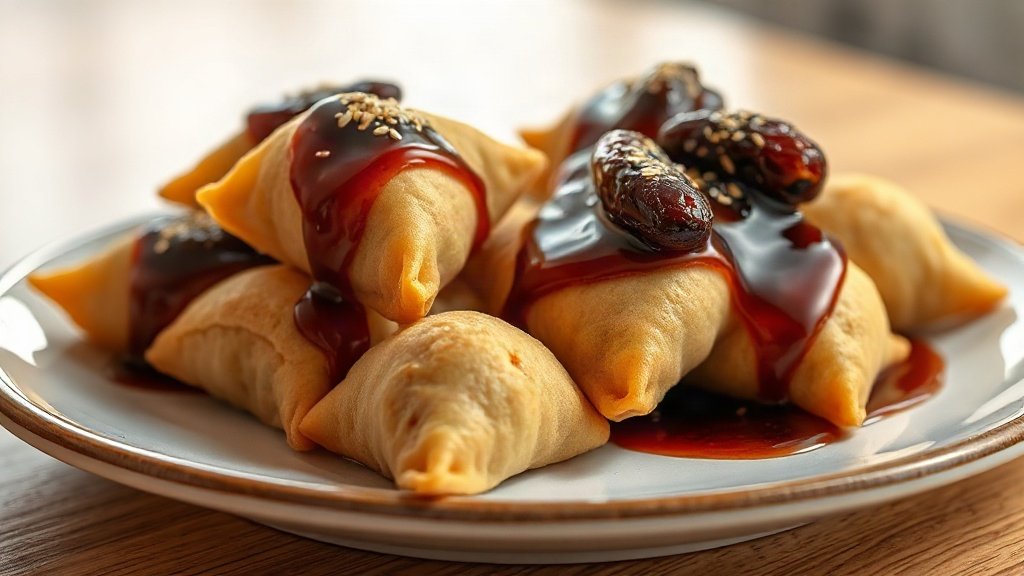
Illustration: AI-generated image
Few sweets capture the spirit of Gulf hospitality quite like luqaimat. These small, round dumplings are fried until golden and crisp, then drenched in sticky date syrup or honey. They are a fixture at Ramadan iftars, Eid celebrations and family gatherings across Saudi Arabia, the UAE, Qatar, Kuwait, Bahrain and Oman.
The name comes from the Arabic word for "small bite" — luqma — and that is exactly what they are: a few indulgent mouthfuls of warm, sweet comfort.
What are Luqaimat?
Luqaimat are deep-fried dumplings made from a simple yeasted batter. The result is a treat with a delicate crisp shell and a soft, airy centre. They are often compared to doughnut holes, but luqaimat have their own distinct character thanks to the addition of cardamom and sometimes saffron, which give them a fragrant, subtly spiced flavour.
The dough is usually made from flour, yeast, sugar, and a pinch of salt, mixed with warm water to form a sticky batter. After resting, small spoonfuls are dropped into hot oil, where they puff up and turn a deep golden colour.
How They Are Made
While recipes vary from one household to another, the basic method is consistent. A batter is left to rise until bubbly, then carefully shaped using two spoons or the fingers. The dumplings are fried in batches, turned continuously so they cook evenly and develop a uniform crust.
Once out of the oil, they are immediately tossed in warm date syrup or honey. Some cooks add a sprinkle of toasted sesame seeds or a light dusting of ground cardamom for extra aroma. The syrup seeps into the nooks of the crispy surface, making every bite a contrast between crunchy and soft, sweet and spiced.
When and How They Are Served
Luqaimat are a year-round treat, but they hold a special place during the holy month of Ramadan. They are among the first sweets to appear on the iftar table, offering a quick burst of energy after a day of fasting. Street stalls and home kitchens alike produce them in generous quantities throughout the month.
They are also served at weddings, family gatherings and almost any festive occasion. Usually presented on a large platter, they are meant for sharing — a symbol of abundance and generosity. In many Gulf homes, making luqaimat together is a beloved tradition passed down through generations.
The Sweet Finishing Touch
The syrup is what truly defines luqaimat. Date syrup, known as dibs, is the most common choice in the Gulf. It has a deep, caramel-like sweetness that complements the dumplings perfectly. Honey is a popular alternative, and some cooks combine the two, adding a squeeze of lemon or a drop of rose water for balance.
Whether enjoyed with a cup of Arabic coffee or simply on their own, luqaimat are a reminder of how a few humble ingredients can become something truly joyful. Their warm, golden presence signals celebration, comfort and the simple pleasure of a shared table.