Kabees: A Guide to the Gulf's Tangy Pickled Vegetables
Learn about kabees, the traditional Gulf pickle made from turnips, cucumbers and other vegetables, and how to make your own at home.
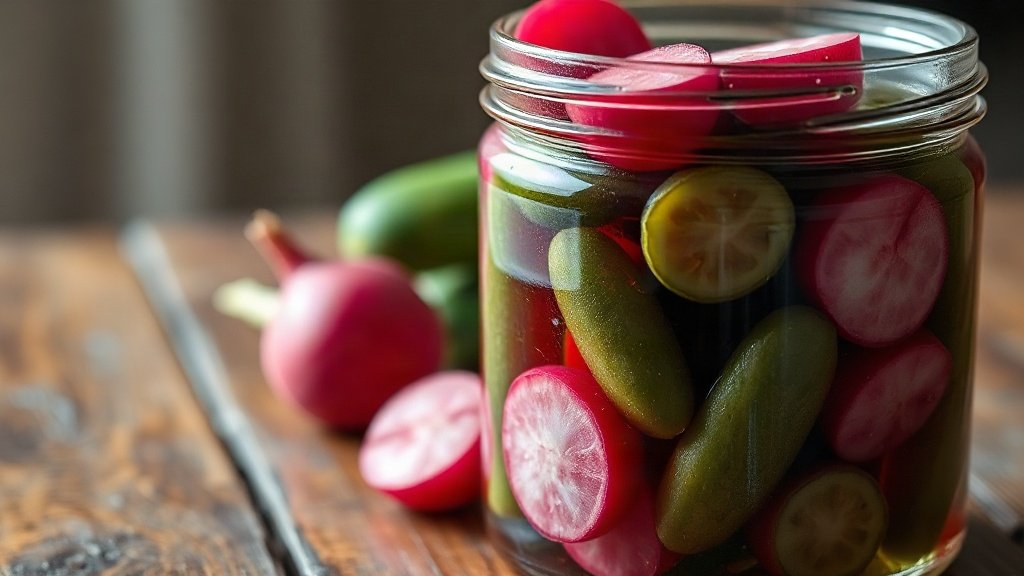
Illustration: AI-generated image
Kabees (also spelled kabis or mkhallal) is the Arabic word for pickles, and in the Gulf it refers to a vibrant array of vegetables preserved in a tangy brine. These pickles are a staple on dining tables, adding a sharp, refreshing contrast to rich rice dishes and grilled meats.
Unlike Western pickles that often rely on dill and garlic, Gulf kabees typically uses a simple brine of vinegar, water and salt, sometimes with a little sugar. The result is a clean, sour bite that awakens the palate. Some versions include a slice of beetroot, which tints the brine a striking pink and gives the vegetables a subtle earthy sweetness.
Common Vegetables Used
While almost any firm vegetable can be pickled, these are the most popular in Gulf kitchens:
- Turnips – the classic choice, often cut into batons or wedges and turned pink by beetroot.
- Cucumbers – small, crunchy varieties are preferred, pickled whole or sliced.
- Carrots – cut into sticks or coins, adding colour and sweetness.
- Cauliflower – broken into small florets that soak up the brine beautifully.
- Green chillies – for those who like a spicy kick.
- Aubergine – sometimes stuffed with garlic and walnuts before pickling.
How Kabees is Served
Kabees is rarely eaten alone; it shines as a side dish. It is commonly served alongside:
- Machboos, kabsa and other spiced rice dishes – the acidity cuts through the richness of the meat and ghee.
- Grilled meats and kebabs – a few pieces of pickle refresh the mouth between bites.
- Sandwiches and wraps – chopped kabees adds a tangy crunch to shawarma or falafel.
- As part of a mezze spread – alongside hummus, olives and fresh bread.
Making Kabees at Home
Making your own kabees is simple and requires no special equipment. Here is a basic method for turnip pickles, the most iconic variety:
- Prepare the vegetables: Peel and cut 500g of turnips into batons or thick slices. Slice one small beetroot into thin rounds (this gives the pink colour).
- Make the brine: In a saucepan, combine 500ml water, 250ml white vinegar, 2 tablespoons sea salt and 1 tablespoon sugar. Bring to a boil, stirring until the salt and sugar dissolve. Remove from heat and let cool completely.
- Pack the jar: Sterilise a clean glass jar by washing it in hot soapy water and rinsing well. Pack the turnips and beetroot slices into the jar, layering them snugly. You can add a few black peppercorns and a bay leaf if you like.
- Pour the brine: Pour the cooled brine over the vegetables until they are completely submerged. Seal the jar tightly.
- Pickle: Leave the jar at room temperature for 2–3 days, then transfer to the refrigerator. The pickles will be ready to eat after about a week and will keep for several months.
Tips for Success
- Use fresh, firm vegetables without blemishes for the crispiest results.
- Always use clean utensils when removing pickles from the jar to avoid contamination.
- Adjust the vinegar-to-water ratio to your taste: more vinegar gives a sharper pickle.
- For a spicier version, add a dried red chilli or a few slices of fresh green chilli to the jar.
Kabees is more than a condiment; it is a beloved part of Gulf food culture, bringing brightness and balance to every meal. Whether you make it at home or enjoy it at a restaurant, a plate of these tangy pickles is always welcome.