How to Make Bzar: The Gulf's Essential Spice Blend
Bzar is the aromatic foundation of many Gulf dishes. Here's how to make it at home and store it for months.
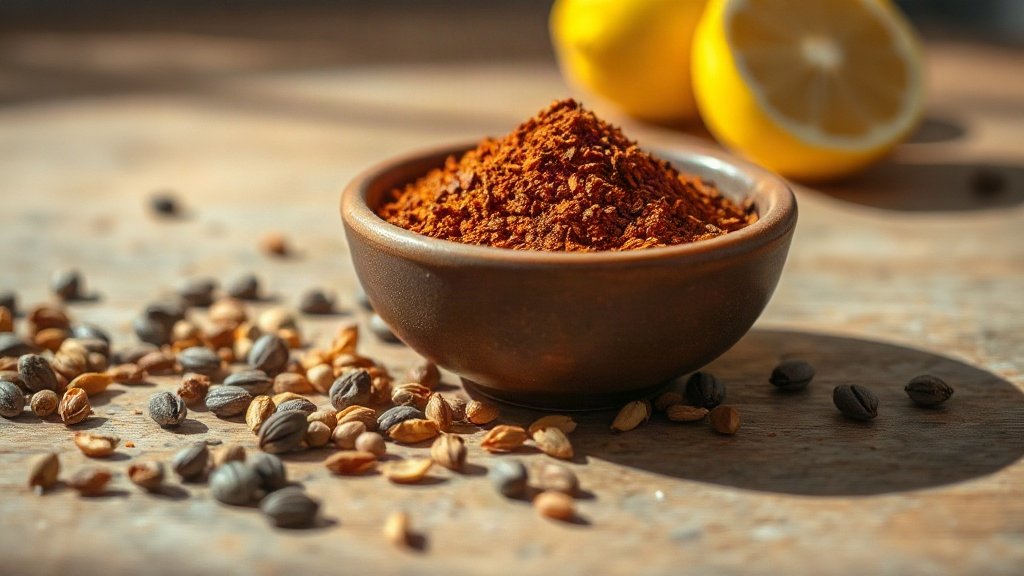
Illustration: AI-generated image
Bzar is the quiet hero of Gulf kitchens. This aromatic spice blend forms the flavour backbone of beloved dishes such as machboos, saloona and thareed, giving them their signature warm, earthy depth. While shop-bought versions are convenient, making your own bzar at home is simple, rewarding and allows you to tailor the heat and aroma exactly to your taste.
What is bzar?
The word "bzar" comes from the Persian term for spice, and the blend itself reflects centuries of trade and culinary exchange across the Arabian Peninsula. Recipes vary from household to household, but most bzar mixes include a base of cumin, coriander and black pepper, lifted with cardamom, cinnamon and cloves, and often deepened with dried limes (loomi) and turmeric. Some families add fennel, ginger or even a touch of chilli for extra warmth.
Unlike garam masala or baharat, bzar tends to be more savoury than sweet, with a pronounced earthiness that pairs beautifully with lamb, chicken, fish and rice. It is typically used in cooking rather than as a finishing spice, releasing its full aroma when sautéed in oil or ghee at the start of a dish.
Ingredients for a classic bzar
The ingredient list is flexible, but here is a balanced starting point for a medium-heat, aromatic bzar. Adjust quantities to suit your preference.
- 2 tablespoons cumin seeds
- 2 tablespoons coriander seeds
- 1 tablespoon black peppercorns
- 1 tablespoon cardamom pods (seeds removed from pods)
- 1 teaspoon cloves
- 1 cinnamon stick (about 5 cm), broken into pieces
- 2 dried limes (loomi), cracked into small pieces
- 1 tablespoon ground turmeric
- Optional: 1 teaspoon fennel seeds, or a pinch of dried chilli for heat
For a fresher, brighter blend, you can reduce the cinnamon and cloves and add more cardamom. If you prefer a smokier note, toast the spices a little longer until they darken slightly.
How to make bzar
Making bzar takes only about 15 minutes, and the aroma that fills your kitchen is a reward in itself.
- Toast the whole spices. Place the cumin, coriander, peppercorns, cardamom, cloves, cinnamon and dried limes in a dry frying pan over medium-low heat. Stir constantly for 2–3 minutes until fragrant and just beginning to colour. Be careful not to burn them, as this will make the blend bitter.
- Cool completely. Transfer the toasted spices to a plate and let them cool for 10 minutes. This prevents the grinder from overheating and helps the spices grind more evenly.
- Grind to a powder. Use a spice grinder or a clean coffee grinder to blitz the cooled spices into a fine powder. Add the ground turmeric to the grinder after the whole spices are mostly ground, and pulse a few more times to combine.
- Store properly. Transfer the bzar to an airtight glass jar and label it with the date. Keep it in a cool, dark cupboard away from direct sunlight.
Freshly made bzar has a potency that shop-bought blends often lack, and it will keep its flavour for up to six months if stored well.
Storing and using bzar
To get the most from your bzar, use it within four to six months. Over time, the volatile oils that give it its aroma will fade, so it is better to make smaller batches more often than one large batch that languishes.
Bzar is incredibly versatile. Use a teaspoon or two when frying onions for rice dishes, rub it onto meat before grilling or roasting, or stir it into stews and soups. It is also excellent mixed with a little yoghurt as a marinade for chicken or fish. For a quick flavour boost, sprinkle a pinch over scrambled eggs or roasted vegetables.
Because the blend already contains turmeric and dried lime, it adds both colour and a subtle tang. If a recipe calls for bzar and you have run out, you can approximate it with equal parts ground cumin, coriander and black pepper, plus a little cardamom and a squeeze of lime juice – but nothing quite matches the homemade original.