How to Reduce Food Waste in Your Gulf Kitchen: Practical Tips for Hot Climates
Smart shopping, proper storage and creative cooking can help households across the Gulf cut down on food waste, save money and keep kitchens cooler.
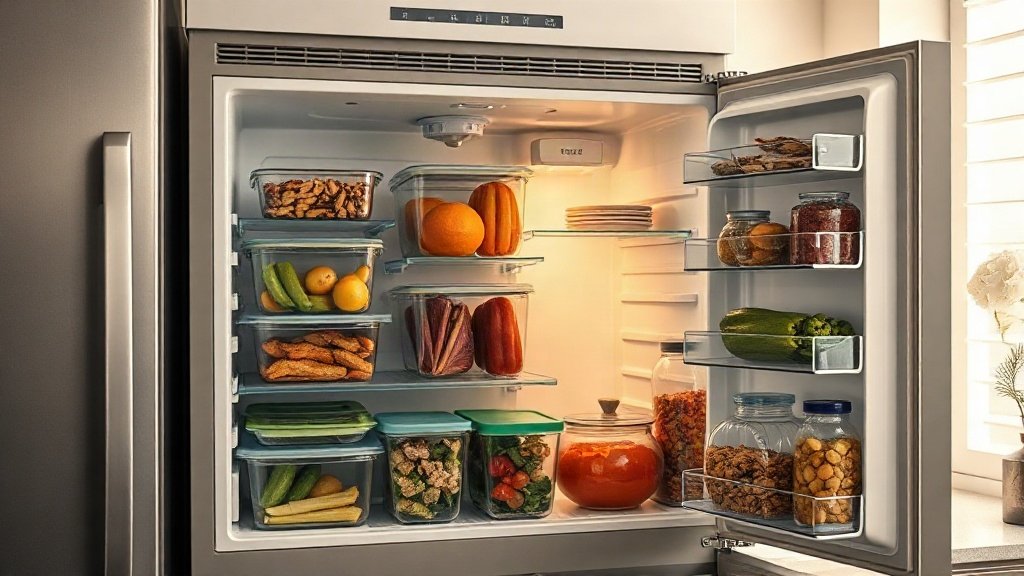
Illustration: AI-generated image
Food waste is a common challenge in Gulf households, where high temperatures and humidity can quickly spoil fresh ingredients. With a few simple adjustments to how you shop, store and cook, you can significantly reduce waste, save money on groceries and ease the load on your kitchen bins.
Start by planning your meals for the week before you head to the supermarket. Make a list based on what you already have, and stick to it. This prevents impulse buys that often end up forgotten at the back of the fridge. In the Gulf, where many families buy in bulk or weekly, a little planning goes a long way.
When you return home, store food properly immediately. In hot climates, perishables should go straight into the refrigerator or freezer. Keep your fridge at or below 5°C and your freezer at -18°C. Use clear, airtight containers for leftovers and label them with dates. Bread, a staple in many Gulf homes, keeps better in the fridge during summer months to prevent mould, or slice and freeze it for toasting later.
Pay attention to how you store fruits and vegetables. Some produce, like bananas, tomatoes and potatoes, release ethylene gas that speeds up ripening in other items, so keep them separate. Leafy greens stay fresher when wrapped in a dry paper towel inside a container. Herbs like coriander and mint, often used in Gulf cooking, can be stored upright in a glass of water with a loose plastic bag over the top, or chopped and frozen in ice cube trays with a little oil or water.
Embrace 'root-to-stem' cooking. Vegetable peels, stalks and bones can be simmered into flavourful broths. Overripe fruits work well in smoothies, jams or baked goods. Leftover rice, a frequent by-product of Gulf meals, can be transformed into fried rice, stuffed vegetables or even sweet rice pudding. Stale bread can become breadcrumbs or be used in traditional dishes like thareed.
Understand date labels. 'Best before' refers to quality, not safety, so many foods are still fine to eat after that date if they look and smell normal. 'Use by' is the one to respect strictly. Trust your senses before throwing things away.
Finally, if you do end up with unavoidable scraps, consider composting. Many Gulf municipalities are encouraging home composting, and even a small balcony bin can turn vegetable scraps into fertiliser for your plants. Reducing food waste is not just good for your wallet; it also lessens the environmental impact of food production and transport in a region where most food is imported.