How to Choose and Care for an Abaya in the Gulf: A Practical Guide
The abaya is a graceful part of everyday life for many women in the Gulf. Here’s how to choose the right fabric, fit and care routine to keep yours looking its best.
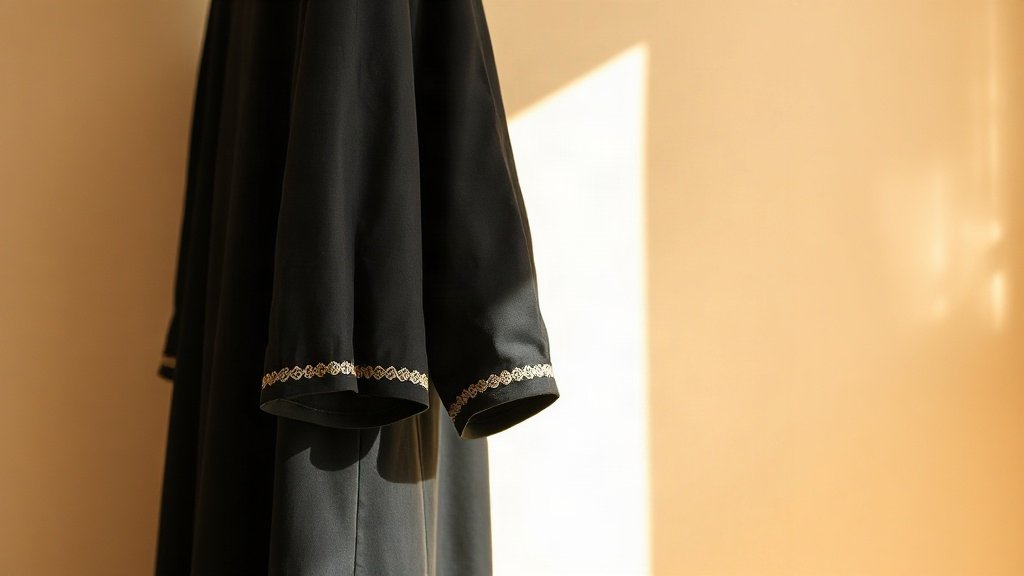
Illustration: AI-generated image
The abaya is a long, loose-fitting robe worn by many women across the Gulf. It is both a cultural tradition and a practical garment for the region’s warm climate. Whether you are new to wearing an abaya or simply want to care for one properly, a little know-how goes a long way.
Choosing the right fabric
Gulf summers are hot and often humid, so breathable fabrics are essential. Lightweight crepe and nida are popular choices because they drape well and resist wrinkling. Linen and cotton are good for casual wear, though they may crease more easily. For cooler months, a slightly heavier crepe or a lined abaya provides extra warmth without bulk. If you attend special occasions, look for abayas with subtle embroidery, beadwork or lace trim, but keep in mind that delicate details require gentler care.
Finding the correct fit
An abaya should be loose and comfortable, allowing free movement while covering the body modestly. The length typically falls to the ankles or floor. When trying one on, raise your arms and sit down to ensure the fabric does not pull or ride up. Sleeves should be wide enough to slip over your regular clothing without strain. Many abayas come in standard sizes, but a tailor can adjust the length or sleeve width for a better fit.
Everyday care and cleaning
Most abayas are made from synthetic blends that can be hand-washed or machine-washed on a gentle cycle with cold water. Turn the garment inside out to protect any embroidery or beads. Use a mild detergent and avoid bleach or fabric softeners, which can damage delicate trims. After washing, gently squeeze out excess water—do not wring—and hang to dry away from direct sunlight. If you iron, use a low heat setting and place a cloth between the iron and any decorative areas. For heavily embellished abayas, dry cleaning is the safest option.
Storing your abaya
To keep your abaya looking fresh, store it on a padded hanger in a cool, dry wardrobe. Avoid wire hangers, which can distort the shoulders. If you have limited hanging space, fold the abaya neatly along the seams and place it in a breathable garment bag. Cedar blocks or lavender sachets can help deter moths without harsh chemicals. During humid months, a small dehumidifier in the wardrobe will prevent musty odours and mildew.
Wearing your abaya with confidence
In the Gulf, the abaya is more than just clothing—it is a symbol of modesty and elegance. Pair it with a matching shayla (headscarf) or a simple hijab for a coordinated look. Neutral colours like black, navy and beige are timeless, but many women now choose softer tones or subtle patterns for everyday wear. Remember to dress modestly underneath as well, especially if you plan to remove your abaya in a private setting. With the right choice and proper care, your abaya will remain a beautiful and practical part of your wardrobe for years to come.