Falconry in the Gulf: A Practical Guide to an Ancient Tradition
From desert camps to modern displays, discover how falcons remain a proud symbol of Gulf heritage.
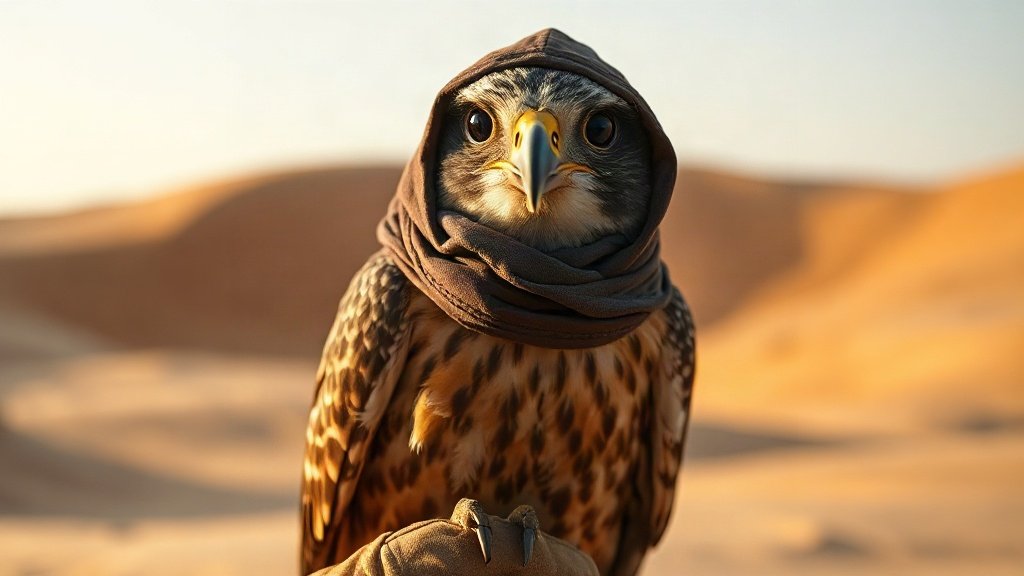
Illustration: AI-generated image
The sight of a falcon streaking across the desert sky is one of the most enduring images of the Arabian Gulf. For centuries, Bedouin tribes relied on these swift birds of prey to hunt for food in the harsh desert environment. Today, falconry has evolved into a celebrated cultural tradition, with competitions, festivals and dedicated centres where visitors can get close to these magnificent creatures.
A heritage rooted in survival
Long before modern supermarkets, hunting with falcons was a practical necessity. Bedouin falconers trained birds such as the saker and peregrine to catch migrating bustards, hares and other game. The bond between falconer and bird was built on patience and mutual respect, with each bird carefully handled and often treated as a member of the family. That deep connection remains central to the tradition today.
Where to see falcons in the Gulf
Visitors can encounter falconry in several ways. Traditional souqs in cities like Doha, Abu Dhabi and Riyadh often have dedicated falcon sections where birds are displayed on perches, and falconers are happy to explain their craft. Many heritage villages and cultural festivals across the region stage regular falconry demonstrations, where you can watch birds take flight and return to the glove. Some desert resorts and tour operators also offer private falconry experiences, ranging from a short meet-and-greet to a full hunting excursion in the dunes.
What to expect from a falconry experience
A typical demonstration begins with the falconer introducing the bird, often wearing a small leather hood to keep it calm. When the hood is removed, the falcon’s keen eyes survey the surroundings. With a gentle toss of the arm, the bird launches into the air, wheeling and diving at astonishing speeds before returning to the falconer’s gloved fist for a reward. Hunting trips follow a similar pattern but take place in the open desert, with trained falcons chasing live quarry—though many operators now use lures to simulate the hunt without harming wildlife.
Etiquette and practical tips
Falcons are working animals, not pets, and they deserve respect. Always ask before touching a bird, and never attempt to feed it or remove its hood. Flash photography can startle the birds, so disable your flash and move slowly and quietly. When photographing falconers, ask permission first, and dress modestly in line with local customs. If you are invited to hold a falcon, follow the falconer’s instructions carefully, keeping your arm steady and your hand protected by the thick leather glove provided.
When to go
The best time for falconry experiences is during the cooler months from October to March, when outdoor activities are comfortable. Early mornings and late afternoons are ideal, as the birds are most active and the light is beautiful for photography. Major falconry festivals, often held in winter, offer a chance to see championship birds and traditional equipment, but even a short visit to a falcon souq can be memorable at any time of day.
Falconry is more than a sport in the Gulf—it is a living link to the region’s Bedouin past. Whether you watch a demonstration in a heritage village or simply admire a hooded falcon in a souq, taking time to appreciate this ancient art offers a deeper understanding of the Gulf’s cultural identity.