Eid in the Gulf: A Guide to Festive Food Traditions
From sweet breakfasts to slow-cooked lamb, discover the dishes that bring families together during Eid al-Fitr and Eid al-Adha across the Gulf.
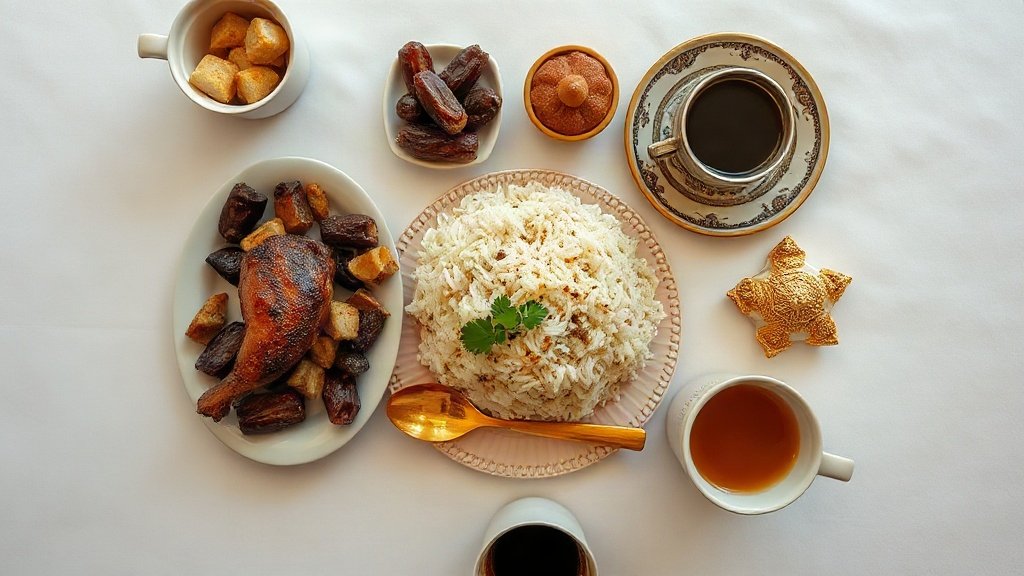
Illustration: AI-generated image
The Two Eids and Their Culinary Character
Across the Gulf, the two major Islamic festivals – Eid al-Fitr, marking the end of Ramadan, and Eid al-Adha, following the Hajj pilgrimage – are occasions for large family gatherings, hospitality and, above all, abundant food. While everyday Gulf cooking is already rich, Eid menus are deliberately more lavish, featuring special dishes that may appear only once or twice a year.
Breakfast on Eid Morning
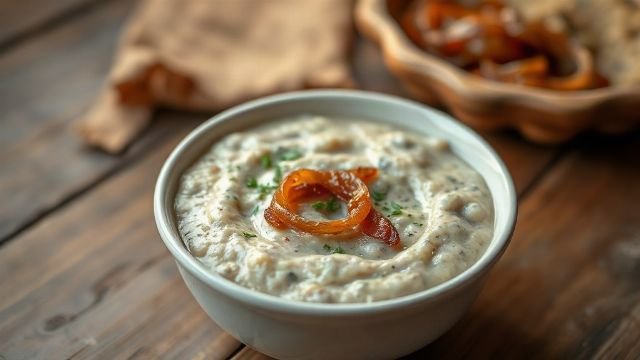
The first meal of Eid often sets a sweet tone. In many Gulf households, breakfast includes balaleet – vermicelli cooked with sugar, cardamom and saffron, topped with a thin omelette. It is a beloved combination of sweet and savoury that symbolises the start of celebration. Fresh dates and Arabic coffee (gahwa) are also served to guests throughout the day, a gesture of welcome that continues for the entire Eid period.
Main Dishes: Rice, Meat and Fragrant Spices
The centrepiece of most Eid lunches is a large platter of spiced rice topped with meat. Machboos, kabsa and mandi are all common choices, each with its own blend of spices – including loomi (dried lime), cardamom, cinnamon and black pepper – and a distinct cooking method. Meat may be chicken, lamb or goat, often slow-cooked until tender. The rice is typically long-grain and richly coloured with saffron or turmeric. These dishes are designed for sharing: everyone gathers around a single platter, eating with the right hand in the traditional manner.
Sweets and Hospitality
No Eid celebration is complete without an array of sweets. Luqaimat, small deep-fried dumplings drizzled with date syrup or honey, are particularly popular in the UAE and Saudi Arabia. Kunafa, a cheese-filled pastry soaked in syrup, appears on many tables, as does umm ali, a creamy bread pudding. In Oman, halwa – a sticky, fragrant confection made with sugar, rose water and nuts – is served with coffee to guests. These sweets are not just desserts; they are an essential part of welcoming visitors, often presented alongside dates and Arabic coffee as soon as someone enters the home.
Eid al-Adha: The Festival of Sacrifice
Eid al-Adha has an additional culinary dimension, as it commemorates the willingness of Ibrahim to sacrifice his son. Families who can afford it slaughter a sheep, goat or cow, and the meat is divided into three parts: one for the family, one for relatives and friends, and one for those in need. This means that meat features even more prominently in dishes during this Eid. In Oman, shuwa – lamb marinated in a spicy paste and slow-cooked in an underground sand oven for up to 48 hours – is a hallmark of the festival. In other Gulf countries, grilled or roasted lamb is common, often served with rice and a tangy tomato or yoghurt sauce.
Regional Variations and Shared Customs
While each Gulf country has its own specialties, certain customs are widely shared. The tradition of opening one's home to guests, with coffee and dates always ready, is universal. Women often prepare large quantities of sweets and savoury pastries in the days leading up to Eid, and it is common to visit several homes in one day, sampling food at each stop. The emphasis is on generosity and community: no guest should leave hungry, and leftovers are always packed for visitors to take away.
Whether you are hosting your first Eid gathering or simply want to understand the culinary culture of the Gulf, these dishes offer a delicious entry point. The flavours are rich, the portions generous, and the atmosphere welcoming – exactly what festive food should be.