Camel Meat: A Guide to the Gulf's Prized Protein
From celebratory feasts to everyday stews, camel meat holds a special place in Gulf kitchens. Here is what you need to know about its flavour, cuts and cooking.
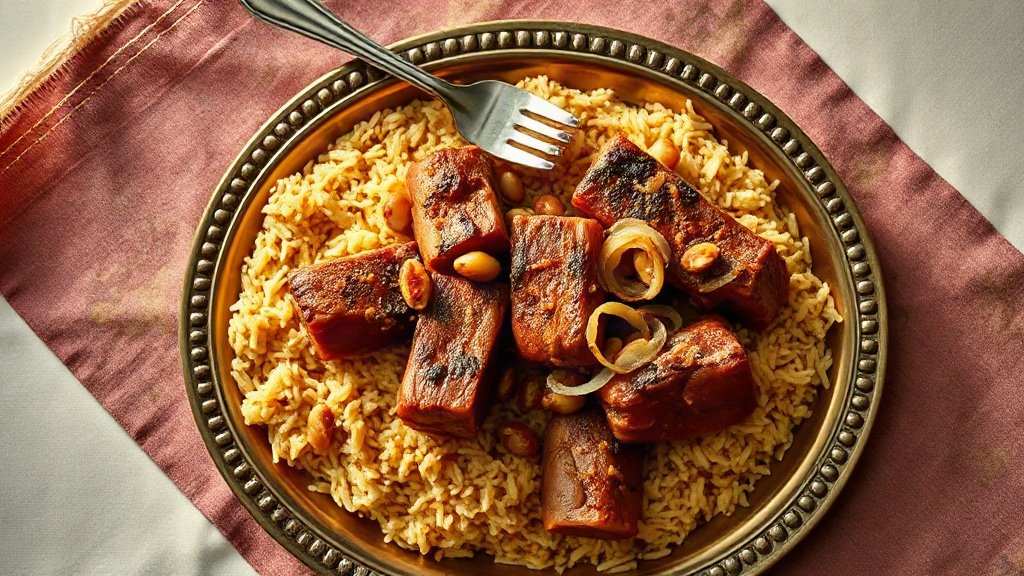
Illustration: AI-generated image
Camel meat has been a cornerstone of Gulf cuisine for centuries, prized for its rich flavour and its deep cultural significance. Across Saudi Arabia, the United Arab Emirates, Qatar, Kuwait, Bahrain and Oman, it is served at weddings, Eid celebrations and family gatherings, where it symbolises generosity and hospitality.
Unlike more familiar meats such as beef or lamb, camel has a character all its own. It is lean, slightly sweet and mildly gamey, with a texture that becomes meltingly tender when cooked slowly. Young camel meat, known as hashi or jaish in some Gulf dialects, is especially valued for its tenderness, while older animals are often used for slow-cooked stews and porridges.
The Cuts and How to Use Them
Butchers in the Gulf typically divide camel meat into familiar sections. The shoulder and leg are excellent for braising or roasting; the neck is often added to soups for extra depth; and the ribs can be grilled or stewed. Perhaps the most prized part is the hump, which contains a large amount of fat that renders into a rich, creamy texture. This fat is traditionally used to enrich dishes like harees or machboos.
Because camel meat is naturally tough, it benefits from long cooking. A typical method is to simmer it for several hours with a mix of whole spices such as cardamom, cinnamon, dried lime (loomi) and black peppercorns. The meat is then combined with rice or broken wheat in dishes like machboos, majboos or harees. Alternatively, cubes of camel are stewed with vegetables to make a hearty salona or thareed, a bread and meat dish reminiscent of a thick soup.
Traditional Dishes and Serving Customs
One of the most iconic preparations is camel machboos, in which the meat is cooked with basmati rice, onions, tomatoes and a fragrant spice blend that often includes bezar, turmeric and saffron. The dish is typically piled high on a large communal platter, garnished with fried onions, raisins and nuts. Diners gather around to eat with their right hand, tearing pieces of meat and forming small balls of rice.
For festive occasions such as Eid or a wedding, a whole young camel may be roasted or boiled, though more commonly a large shoulder or leg is prepared. The meat is sometimes stuffed with a mixture of rice, nuts and spices before slow roasting, echoing the preparation of qoozi, a dish traditionally made with lamb.
Practical Tips for Home Cooks
If you want to try cooking camel at home, begin with a small cut such as a shoulder roast or stewing cubes. Marinate it overnight in a mixture of yoghurt, garlic, ginger and bezar or baharat spice blend to help tenderise and add flavour. A pressure cooker or slow cooker is invaluable: camel meat can take two to three hours to become tender under normal simmering, but a pressure cooker can reduce that time significantly.
Look for camel meat at traditional butcher shops or well-stocked halal meat markets, where it is often sold fresh or frozen. In the Gulf, some supermarkets also carry vacuum-packed cuts. When buying, choose meat that is deep red with a fine grain, and ask the butcher for young camel if you plan to grill it.
A Healthy, Sustainable Choice
Nutritionally, camel meat is often described as a healthy alternative to beef. It tends to be lower in fat and cholesterol and higher in iron and protein, making it appealing for those watching their diet. The fat, especially from the hump, is also rich in unsaturated fatty acids, which are considered more beneficial than the saturated fats found in other red meats.
For visitors to the Gulf, trying camel meat is a memorable way to connect with local food traditions. Whether enjoyed as a slow-cooked stew, a fragrant rice dish or a celebratory roast, it offers a taste of the region's heritage and hospitality.