Bahrain's Pearling Path: A Guide to the Gulf's Pearl Diving Heritage
Bahrain's Pearling Path in Muharraq is a UNESCO World Heritage Site that traces the history of pearl diving, once the economic lifeblood of the Gulf.
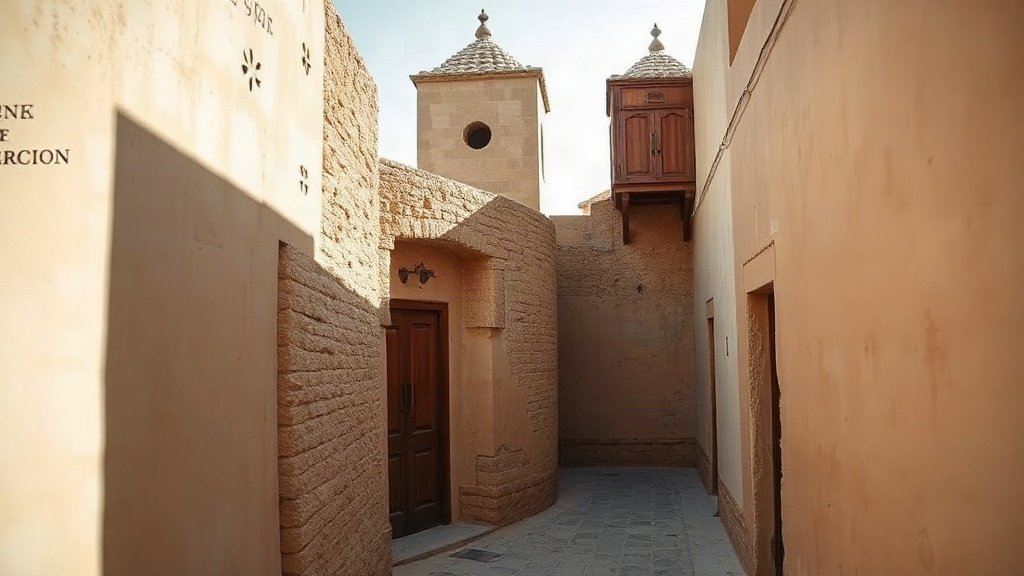
Illustration: AI-generated image
Pearl diving shaped the Gulf for centuries, long before the discovery of oil. In Bahrain, the Pearling Path offers visitors a tangible link to this remarkable heritage. Stretching through the old city of Muharraq, this UNESCO World Heritage Site weaves together historic buildings, a seashore and offshore oyster beds, telling the story of an industry that once supported entire communities.
A deep-rooted tradition
For generations, Gulf pearls were prized across the world for their lustre. Bahrain was at the heart of this trade, with divers setting out each summer on wooden dhows to harvest oysters from the shallow waters. The work was gruelling and dangerous, yet it created a unique culture of songs, rituals and social bonds. By the 1930s, the rise of cultured pearls and global economic shifts brought the industry to a sudden halt, leaving behind a legacy that Bahrain has carefully preserved.
What to see along the path
The Pearling Path is not a single monument but a journey through Muharraq's historic quarter. Key stops include the ruins of traditional pearl merchants' houses, a restored seashore where boats once departed, and the three oyster beds that remain protected offshore. Walkways connect the sites, often shaded by traditional architecture. Along the route, you will encounter coral-stone buildings, wind towers and narrow alleyways that evoke the area's former life.
Visitors can explore at their own pace, reading interpretive panels that explain the pearling economy and daily routines. The path also passes by the former home of a wealthy pearl merchant, illustrating the wealth generated by the trade. The offshore oyster beds are not accessible to tourists but can be glimpsed from certain viewpoints, a reminder that the sea remains central to Bahrain's identity.
Practical tips for your visit
The Pearling Path is best explored on foot, and most of it is outdoors, so comfortable shoes and sun protection are essential. Early morning or late afternoon offers cooler temperatures and softer light for photography. Dress respectfully, as you will be walking through residential neighbourhoods; modest clothing that covers shoulders and knees is appreciated.
The route is well signposted, and you can begin from several points in Muharraq. Allow at least two to three hours to appreciate the sites without rushing. While there are cafes and shops nearby, the area remains a living community, so be mindful of residents. Souvenirs related to pearls and local crafts can be found in Muharraq's souq, offering a chance to take a piece of history home.
For those interested in the broader context, the path complements a visit to the Bahrain National Museum, which houses exhibits on pearl diving and maritime life. The Pearling Path stands as a proud reminder of the Gulf's pre-oil heritage, and a visit here deepens any understanding of the region's culture.