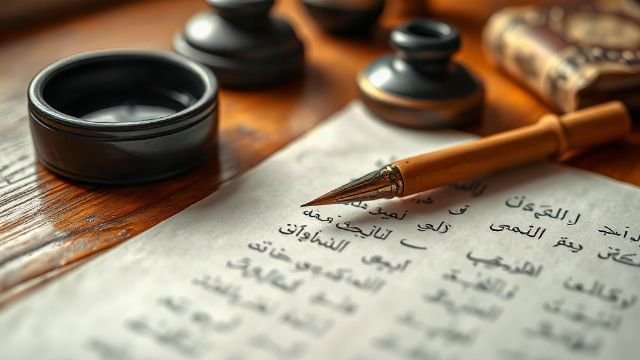
Arabic Calligraphy in the Gulf: A Guide to Its Styles and Meaning
Discover the art of Arabic calligraphy, a revered tradition in Gulf culture, from its religious roots to the main scripts seen across the region.
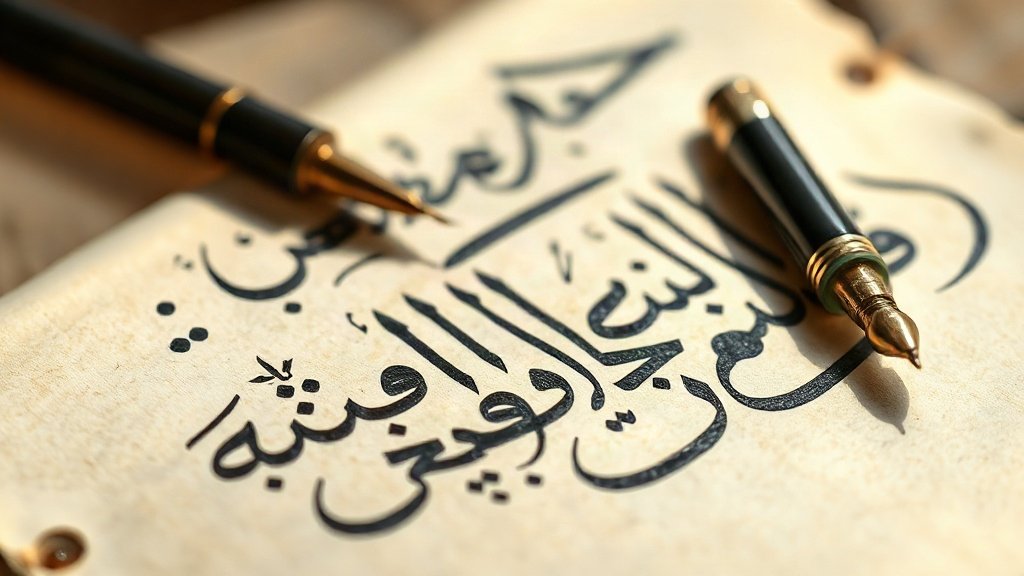
Illustration: AI-generated image
Arabic calligraphy is often described as the quintessential Islamic art form, and across the Gulf it holds a place of particular reverence. More than just beautiful writing, it is a visual expression of faith, culture and identity, found on everything from mosque walls to everyday objects. For visitors and residents alike, understanding its styles and symbolism opens a window into the region's rich artistic heritage.
A Sacred Art Form
The prominence of calligraphy in the Gulf and wider Islamic world stems from the central role of the Quran. As the literal word of God, its transcription demanded the highest level of skill and beauty. Since figurative imagery was traditionally avoided in religious contexts, calligraphy became the primary medium for artistic expression. Over centuries, master calligraphers developed a range of scripts, each with its own character and purpose, and the craft was passed down through rigorous apprenticeship.
Major Calligraphic Styles
Several classical scripts are commonly seen in the Gulf, often used together in architectural decoration, manuscripts and modern design.
- Kufic: One of the oldest scripts, characterised by angular, geometric lines. It is frequently used for Quranic verses on mosque facades and decorative panels.
- Naskh: A cursive, legible script that became the standard for copying the Quran and for everyday writing. Its clarity makes it popular in printed books.
- Thuluth: A grand, flowing script with elegant curves, often reserved for monumental inscriptions on buildings and important headings.
- Diwani: Developed during the Ottoman era, this highly decorative and intricate script is known for its tight, swirling letters. It was used for official documents and is still admired for its complexity.
- Ruq'ah: A simplified, practical script used for daily handwriting. Its simple forms are taught to students across the Arab world.
Where to See Calligraphy in the Gulf
Calligraphy adorns mosques, palaces and public buildings throughout the region. The Sheikh Zayed Grand Mosque in Abu Dhabi features extensive Thuluth and Kufic inscriptions, while the Kuwait Grand Mosque and the King Fahd Causeway in Bahrain also showcase masterful examples. Museums such as the Museum of Islamic Art in Doha and the Sharjah Museum of Islamic Civilisation hold collections of historic manuscripts and calligraphic artworks. Even in contemporary settings, calligraphy appears in logos, fashion and public art, demonstrating its enduring relevance.
Learning and Appreciating Calligraphy
For those inspired to learn, many cultural centres and art institutes across the Gulf offer introductory courses. The traditional method involves using a reed pen (qalam) and ink, practising individual letters before moving to full compositions. Appreciating calligraphy requires attention to the balance between letters, the flow of the pen, and the spiritual dimension of the text. Whether you encounter it in a centuries-old manuscript or a modern gallery, Arabic calligraphy offers a profound connection to Gulf heritage.