A Guide to Khubz Regag: The Gulf's Paper-Thin Crispy Bread
Learn about khubz regag, the delicate, cracker-thin flatbread that is a staple across Gulf kitchens, and how to make it at home.

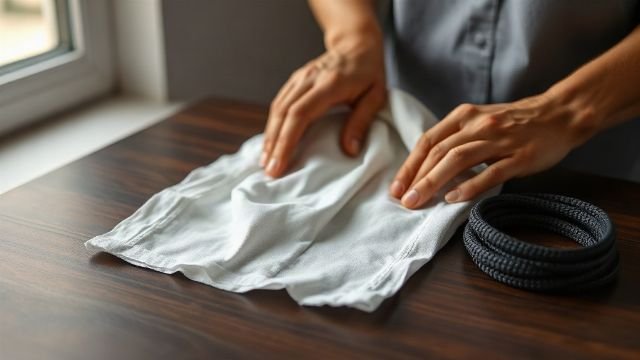
Illustration: AI-generated image
Khubz regag, also known as ragag or ruqaq, is a wafer-thin, crisp flatbread that holds a special place in the culinary traditions of the Gulf states. Unlike softer breads, regag shatters delicately with each bite, making it a versatile companion to hearty stews, grilled meats, and even sweet spreads. Its name comes from the Arabic word for 'thin,' and mastering its creation is considered a mark of skill in many Emirati, Saudi, Qatari, Bahraini, and Omani kitchens.
Ingredients and Equipment
The beauty of khubz regag lies in its simplicity. The classic dough uses only a few pantry staples:
- 2 cups plain flour (or a mix of plain and whole wheat)
- 1 teaspoon salt
- About 1 cup warm water (adjust as needed)
- Vegetable oil or ghee for cooking
Traditionally, the bread is cooked on a large, flat metal griddle called a saj or tava, heated over an open flame. At home, a large non-stick frying pan or a crepe pan works well. You will also need a thin, flexible spatula or a clean cloth to help spread and lift the bread.
How to Make Khubz Regag at Home
- Make the dough: In a large bowl, mix the flour and salt. Gradually add warm water while stirring until a soft, slightly sticky dough forms. Knead for about 5 minutes until smooth and elastic.
- Rest the dough: Cover the dough with a damp cloth and let it rest for at least 30 minutes. This relaxes the gluten, making the dough easier to stretch thin.
- Divide the dough: Pinch off small balls about the size of a golf ball. Roll each ball between your palms to make it smooth, then lightly coat with oil to prevent drying.
- Heat the griddle: Place your pan over medium-high heat. The surface should be hot enough that a drop of water sizzles and evaporates immediately.
- Spread the dough: Take one ball and flatten it slightly with your fingers. Using a swift, circular motion, press and drag the dough across the hot surface to create a very thin layer. Some cooks use a small piece of cloth or a special wooden spreader to achieve an even thickness.
- Cook briefly: The bread will bubble and turn golden in about 30–45 seconds. Flip it with a spatula and cook the other side for another 20–30 seconds. It should be crisp but still pliable when removed.
- Stack and cover: Transfer the cooked bread to a clean kitchen towel and fold the towel over to keep it soft. Repeat with the remaining dough balls.
Serving and Storing
Khubz regag is traditionally served alongside dishes like saloona (vegetable stew), machboos (spiced rice), or harees. It can also be broken into pieces and used as a scoop, or wrapped around grilled meats and fresh herbs. For a simple snack, drizzle it with date syrup or honey and roll it up.
Store leftover regag in an airtight container at room temperature for up to three days. To restore its crispness, reheat briefly on a dry pan or in a low oven.
Variations and Tips
Some families add a splash of milk or yoghurt to the dough for a slightly softer result, while others replace part of the plain flour with whole wheat for a nuttier flavour. The key to success is patience: the dough must be well rested and the pan must be very hot. If the bread tears while spreading, simply gather it back into a ball and try again.
Making khubz regag is a wonderful way to connect with Gulf culinary heritage. With practice, the rhythmic spreading motion becomes almost meditative, and the reward is a stack of golden, crackling breads that bring a touch of tradition to any table.