Understanding Wasta in Gulf Business: A Practical Guide for Professionals
Wasta is a deeply rooted social concept in the Gulf that shapes business relationships. Learn how it works, why it matters, and how to navigate it respectfully and effectively.
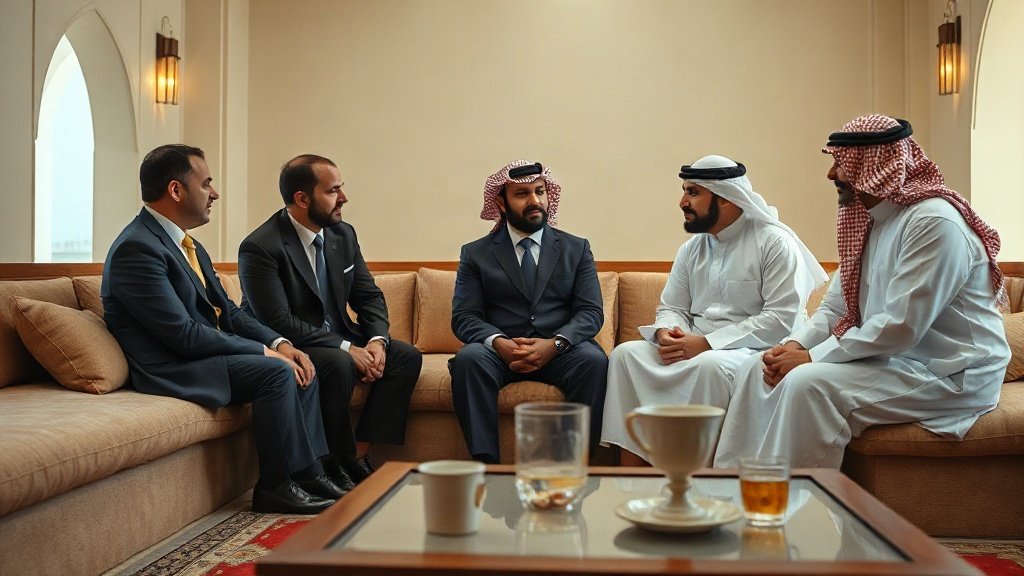
Illustration: AI-generated image
In Gulf business culture, relationships often matter as much as contracts. One of the most important yet least understood concepts for foreign professionals is wasta — a form of personal influence, connection or intermediation. Understanding wasta is essential for anyone seeking to build a successful career or enterprise in the region.
What is wasta?
Wasta derives from the Arabic word wasat, meaning middle or intermediary. In practice, it refers to using one’s network of family, friends or professional contacts to gain an advantage, secure a favour or facilitate a transaction. Wasta can open doors, expedite processes and build trust in a business environment where personal relationships are highly valued.
Far from being merely nepotism or corruption — though it can veer into those areas — wasta in its positive sense is about connection and reciprocity. It is closely linked to shafāʿa (intercession) and the importance of maintaining strong social ties, a cornerstone of Gulf society.
How wasta works in business
In the Gulf, wasta operates at many levels. It might help a job seeker get an interview through a relative, allow a small business to secure a government tender, or enable a foreign company to find the right local partner. Wasta is often tacit: a quiet word, an introduction, a recommendation. It is rarely discussed openly but widely understood.
For foreign firms, the most common encounter with wasta is through a local sponsor or agent. A well-connected sponsor can smooth regulatory hurdles, arrange key meetings and provide credibility. Similarly, hiring employees with strong local networks can be an asset, as their wasta may resolve issues that formal channels cannot.
Building wasta as an outsider
Outsiders cannot simply acquire wasta, but they can cultivate it through genuine relationship building. This requires patience, respect and a long-term outlook. Key steps include:
- Invest time in face-to-face meetings and social events; Gulf business culture prioritises personal acquaintance.
- Understand family and tribal structures; knowing who is related to whom helps navigate networks.
- Seek introductions from trusted mutual contacts; cold invitations are less effective.
- Demonstrate reliability and discretion; wasta is built on mutual trust and the expectation of reciprocity.
- Learn basic Arabic phrases and cultural norms; this shows respect and lowers barriers.
Ethical considerations
Wasta exists on a spectrum. At its best, it is a form of social capital that greases the wheels of commerce. At its worst, it can involve favouritism, bribery or unfair exclusion. International companies must be careful to stay within legal and ethical boundaries, particularly regarding anti-bribery laws such as the UK Bribery Act or the US Foreign Corrupt Practices Act.
A useful distinction is between wasta as an introduction and wasta as an improper advantage. Accepting an introduction from a well-connected individual is generally acceptable; paying for a contract or hiring an unqualified relative solely to win business is not. When in doubt, consult a local legal adviser familiar with both local customs and international compliance standards.
Practical tips for professionals
To work effectively with wasta without compromising integrity:
- Map your existing network and identify any Gulf connections, however distant.
- Ask local colleagues or partners for guidance on how to approach a particular individual or institution.
- Treat every relationship as long-term; wasta is not a one-off transaction.
- Be prepared to offer something of value in return — information, introductions, expertise.
- Never promise what you cannot deliver; broken promises damage wasta and reputation.
Wasta is not a shortcut that can be bought or faked. It is a cultural reality that rewards those who invest in people and act with genuine respect. By understanding its role and engaging with it thoughtfully, foreign professionals can build trust, open doors and thrive in the Gulf’s relationship-driven business landscape.