How to Exhibit at a Trade Show in the Gulf: A Practical Guide
Trade shows are a cornerstone of business development across the Gulf. Here is how foreign companies can plan, staff and follow up on an exhibition stand effectively.
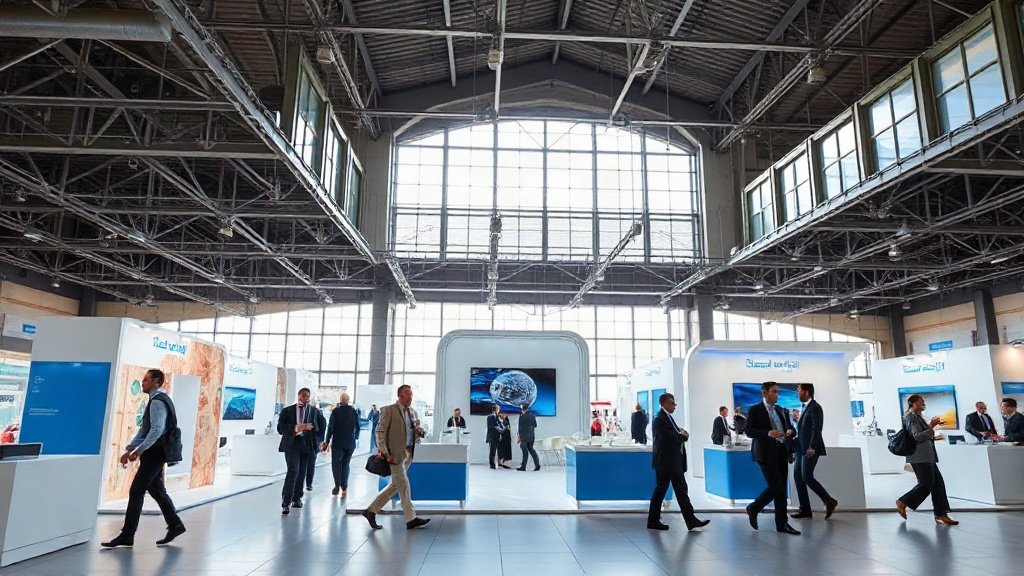
Illustration: AI-generated image
Trade shows and exhibitions are among the most effective ways for foreign companies to enter Gulf markets, meet potential partners and generate qualified leads. Cities such as Dubai, Abu Dhabi, Riyadh, Doha and Kuwait City host major industry events throughout the year, attracting buyers and decision-makers from across the region. A well-planned exhibition presence can open doors that would otherwise take months of cold outreach.
Choose the right show and book early
Research the event calendar well in advance. Many Gulf trade shows are annual and heavily subscribed, with exhibition space selling out months ahead. Identify the shows that attract your target sector, whether it is construction, healthcare, food and beverage, technology or energy. Request the exhibitor prospectus, study the visitor profile and confirm that the event aligns with your business goals.
Understand the regulatory and logistical framework
Exhibiting in the Gulf involves specific requirements. You will typically need a local partner or a professional exhibition contractor to handle customs clearance, stand construction and on-site logistics. Work with contractors who are familiar with the venue and its rules. Ensure that your promotional materials, product samples and giveaways comply with local regulations, including any restrictions on certain items or imagery. Alcohol, pork products and materials deemed offensive are not permitted at most events.
Design a stand that respects local culture
Your stand should be professional, welcoming and culturally appropriate. Use modest imagery and avoid excessive physical contact in marketing visuals. Arabic signage is not mandatory but is appreciated, especially in Saudi Arabia and Qatar. Consider providing a private meeting area, as Gulf business culture values relationship-building and conversations may extend beyond a quick pitch. Offer Arabic coffee or dates if appropriate, as hospitality is a powerful networking tool.
Staff your stand with the right people
Send senior representatives who can speak with authority about your products and services. In Gulf business culture, titles and hierarchy matter, and visitors may expect to meet decision-makers rather than junior staff. Ensure your team is briefed on local etiquette: greet visitors warmly, use titles such as "Mr" or "Sheikh" when appropriate, and exchange business cards with both hands. Women exhibitors should dress conservatively, covering shoulders and knees, and be aware that some visitors may prefer to speak with male colleagues.
Capture leads and follow up promptly
Have a clear system for recording visitor details, whether through a lead retrieval app or a simple paper form. Ask permission before adding someone to your mailing list. After the show, follow up within a week with a personalised email or phone call. Reference your conversation and suggest a meeting, either in person or online. Gulf buyers often expect a continued relationship rather than a single sales pitch.
Evaluate your return on investment
Track the number of qualified leads, meetings held and deals closed in the months following the event. Compare these results with your exhibition costs, including space rental, stand construction, travel and staff time. Many companies find that their first Gulf trade show is a learning experience, and subsequent appearances yield better results as they build brand recognition and repeat contacts.
With careful planning and cultural awareness, exhibiting at a Gulf trade show can be a high-impact investment in your regional growth strategy.