Understanding the Oud: The Gulf's Most Treasured Instrument
With its warm, rounded voice, the oud sits at the centre of Arab music. Here is how it works, where it fits in Gulf traditions and how to listen well.
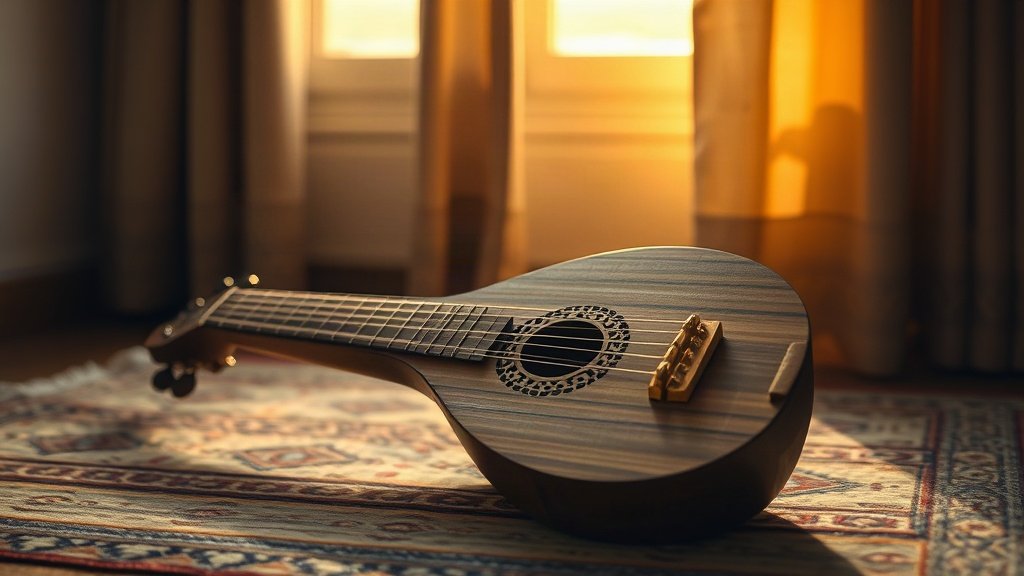
Illustration: AI-generated image
Few instruments say "Arab music" as clearly as the oud. A pear-shaped, short-necked lute with a deep, rounded body, it has accompanied singers, poets and storytellers across the region for centuries. In the Gulf, it sits comfortably in family gatherings, concert halls and quiet evenings at home.
What makes the oud distinctive
The oud has no frets. That matters, because it lets the player slide between notes and reach the small intervals, often called microtones, that give Arabic maqam music its character. The neck is short and bent back at the pegbox, and the strings are usually arranged in pairs, called courses, which gives the sound its shimmer.
Players typically use a plectrum, traditionally made from an eagle feather but now more often from plastic or similar materials. The body is hollow, with a rounded back made of thin ribs of wood and a soundboard decorated with a carved rose, a sound hole that is often wonderfully intricate.
A shared heritage
The oud is found across the Arab world, Turkey and Iran, and historians often link it to the European lute, whose name may derive from the Arabic al-ud. Its precise origins are debated, but its place in classical Arab music is firmly established.
In the Gulf, the instrument sits alongside other musical traditions, from pearl-diving songs to the sung poetry of the desert. It is often heard in accompaniment to vocals, and also in solo improvisation known as taqsim.
How to listen
- Follow the maqam. Each maqam is a melodic mode with its own mood. Listen for how a player moves through it, lingering on certain notes before resolving.
- Notice the improvisation. A taqsim is often unmeasured, almost like speaking. Do not expect a steady beat.
- Hear the ornaments. Quick trills and slides are part of the personality of each musician.
- Watch the right hand. The plectrum technique shapes the sound and rhythm more than most newcomers expect.
Where to experience it
Look out for concerts at cultural centres, opera houses and music festivals across the Gulf, many of which programme classical Arab music alongside contemporary work. Heritage festivals and village or souq events sometimes feature live performers, too. Check local listings for current programmes.
Taking it further
Many music schools and cultural institutes across the region teach the oud, and it is considered a good first instrument for anyone curious about Arabic music theory. Beginners often start with simple melodies in a single maqam, and training the ear is as important as learning finger positions.
Even if you never pick one up, learning to listen to the oud opens a door into the region's musical imagination, one note and one slow, singing slide at a time.