Torshi: How to Make Gulf-Style Pickled Vegetables at Home
Bright, tangy and endlessly versatile, pickled vegetables are a staple on Gulf tables. Here’s how to make your own jar of torshi with simple ingredients and a little patience.
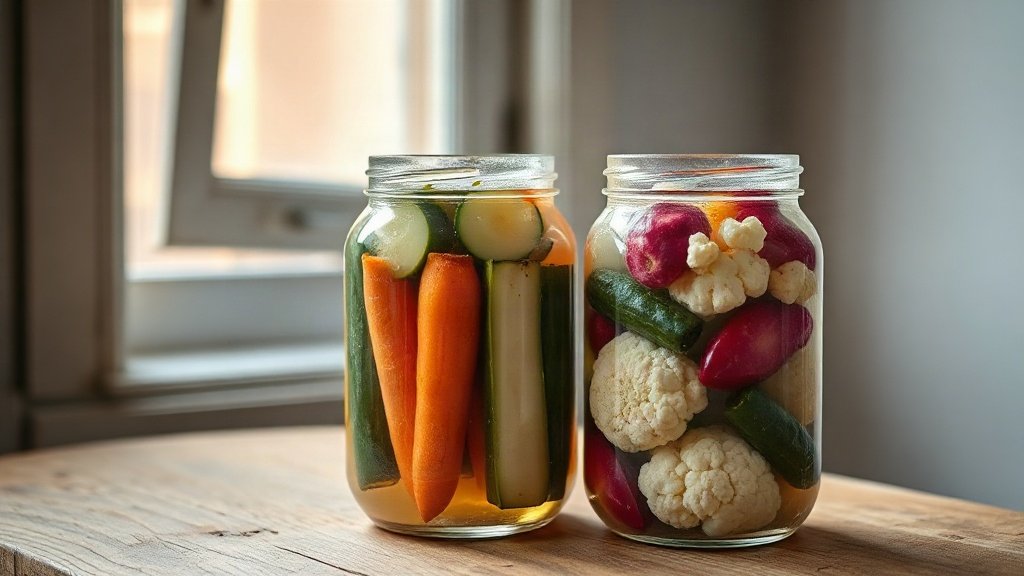
Illustration: AI-generated image
Pickled vegetables, known as torshi or kabees, are a beloved accompaniment across the Gulf. Whether served alongside a fragrant machboos, grilled meats or simply with fresh bread, their sharp, tangy bite cuts through rich flavours and adds a refreshing crunch to any meal. Making torshi at home is surprisingly simple, requires no special equipment and allows you to tailor the flavours to your liking.
What is torshi?
Torshi comes from the Persian word for 'sour' and refers to a wide family of pickled vegetables found throughout the Middle East. In the Gulf, common versions include pickled turnips, carrots, cucumbers, cauliflower and sometimes beetroot for a striking pink hue. The vegetables are typically brined in a mixture of water, vinegar and salt, often with garlic and warm spices like black peppercorns or coriander seeds.
Ingredients for homemade torshi
The beauty of torshi lies in its flexibility. You can use almost any firm vegetable, but a classic combination includes:
- 2 medium carrots, peeled and cut into batons
- 1 small cauliflower, broken into florets
- 1 turnip, peeled and cut into batons
- 1 cucumber, sliced into rounds or spears (optional)
- 1 small beetroot, peeled and sliced (for colour, optional)
- 4–5 garlic cloves, peeled
- 1 teaspoon black peppercorns
- 1 teaspoon coriander seeds
- 1 dried red chilli (optional, for heat)
For the brine, you will need:
- 500 ml white vinegar (or apple cider vinegar for a milder taste)
- 500 ml water
- 2 tablespoons fine sea salt
- 1 tablespoon sugar (optional, to balance acidity)
Step-by-step method
1. Prepare the vegetables. Wash and cut all vegetables into uniform pieces so they pickle evenly. Keep the beetroot separate if you do not want it to colour everything pink.
2. Sterilise a jar. Wash a large glass jar (about 1 litre) with hot soapy water, rinse well and leave to dry completely. You can also run it through a dishwasher cycle or place it in a low oven for 10 minutes.
3. Make the brine. In a saucepan, combine the vinegar, water, salt and sugar. Bring to a gentle boil, stirring until the salt and sugar dissolve completely. Remove from heat and let cool to room temperature.
4. Pack the jar. Add the garlic, peppercorns, coriander seeds and chilli (if using) to the jar. Tightly pack the vegetables, layering them neatly. If using beetroot, add it last or mix gently to create a rosy tint.
5. Pour the brine. Once the brine is cool, pour it over the vegetables until they are fully submerged. Leave about 1 cm of headspace at the top of the jar.
6. Seal and store. Close the jar tightly and leave it at room temperature for 2–3 days to develop flavour, then transfer to the fridge. The pickles will keep for several weeks refrigerated and improve with time.
Tips for perfect torshi
- Use very fresh vegetables for the crunchiest result.
- Ensure all vegetables are fully submerged; if any float, place a small clean weight (like a smaller jar lid) on top.
- For a quicker pickle, slice vegetables thinly and reduce the brining time to 24 hours.
- Experiment with spices: cumin seeds, mustard seeds, bay leaves or fresh dill all work well.
- Always use clean utensils when removing pickles from the jar to prevent spoilage.
How to serve torshi
Torshi is traditionally served as part of a mezze spread or alongside rice dishes such as kabsa, mandi or biryani. It also pairs wonderfully with grilled kebabs, roasted meats and even simple sandwiches. The tangy brine can even be drizzled over salads or used in dressings.
Making your own torshi is a rewarding way to bring a taste of Gulf hospitality into your kitchen. With minimal effort, you can create a vibrant, healthy condiment that brightens everyday meals.