How to Care for Traditional Gulf Carpets and Rugs: A Practical Guide
Traditional Gulf rugs are more than floor coverings – they are works of art and family heirlooms. Learn how to keep them beautiful for years with these practical care tips.
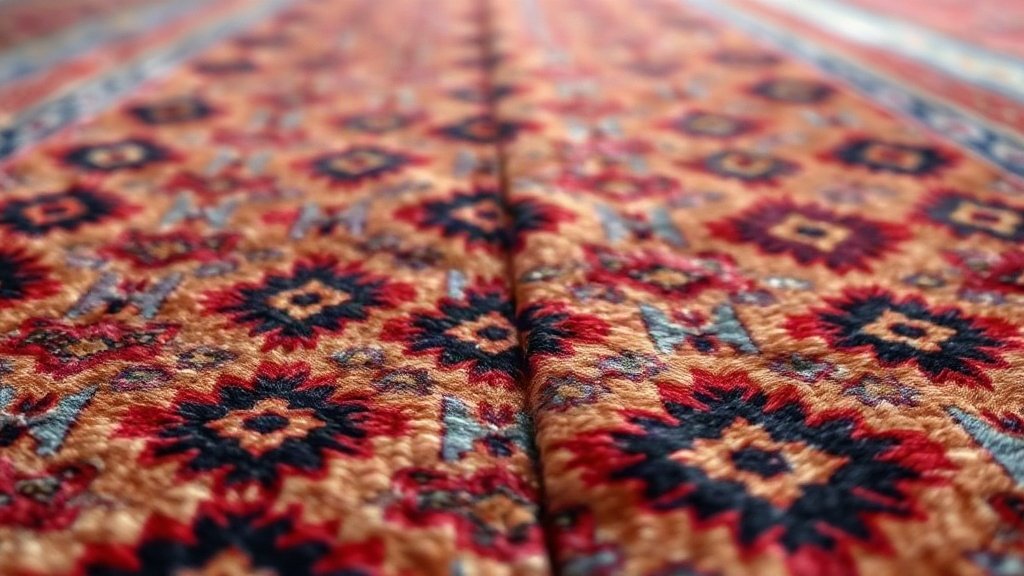
Illustration: AI-generated image
In Gulf homes, a traditional carpet is often the heart of the majlis or living space. Handwoven from wool, cotton, or silk, these pieces carry history and craftsmanship. With the region's heat, humidity, and occasional sandstorms, proper care is essential to preserve both beauty and value. This guide covers the key steps every household can take.
Understanding Your Rug
Before cleaning or treating your carpet, identify its material. Wool is durable but can shrink or felt if washed incorrectly. Silk is delicate and requires gentle handling. Cotton is often used for the foundation and is more tolerant. Many Gulf rugs feature natural dyes, which may run if exposed to harsh chemicals or excessive water. When in doubt, treat your rug as if it were made of the most fragile fibre present.
Regular Maintenance
Weekly vacuuming is the simplest way to remove dust and grit that accelerate wear. Use a vacuum without a beater bar or set it to the highest pile setting to avoid pulling fibres. Vacuum both sides occasionally – the back holds trapped dust that can grind into the pile. If your rug has fringes, avoid vacuuming them directly; use a nozzle attachment on low suction. Shaking small rugs outdoors is effective, but larger pieces benefit from a gentle beating over a line, taking care not to stress the weave.
Dealing with Humidity and Mould
High humidity is a major threat, encouraging mould and mildew. Keep your home well ventilated, using dehumidifiers in closed rooms during summer. If a rug feels damp, move it to a dry, shaded area and air it out; never dry in direct sunlight, which can fade colours and weaken fibres. For musty smells, sprinkle baking soda over the surface, leave for a few hours, then vacuum thoroughly. If you spot actual mould growth, isolate the rug and consult a professional cleaner immediately – do not attempt to scrub it yourself.
Pest Prevention
Carpet beetles and moths can cause irreversible damage. Regular vacuuming removes eggs and larvae from the pile. Store unused rugs with natural repellents such as cedar blocks or lavender sachets, but avoid direct contact with the rug fibres as oils may stain. Inspect your rug every few months, especially along edges and under furniture where pests hide. If you find live insects or damaged areas, freeze the rug (if small enough) for 48 hours or seek professional treatment.
Storage Tips
When storing a rug for an extended period, clean it first and ensure it is completely dry. Roll the rug with the pile facing inward to protect the surface, and cover it with a breathable cotton sheet – never plastic, which traps moisture. Store in a cool, dry place, away from direct sunlight and off the floor to prevent dampness. Check periodically for any signs of pests or mould.
Professional Care
Expert cleaning is recommended every one to three years, depending on use. A specialist who understands traditional Gulf textiles can perform a thorough wash without damaging dyes or fibres. Always ask about their process – hand washing with mild, pH-neutral detergents is preferable to harsh chemicals. Reputable professionals can also repair small tears or re-knot fringe, extending the rug's life.
With a little consistent attention, your traditional Gulf carpet will remain a source of warmth and beauty for generations to come.