The Thobe: A Guide to the Gulf's Traditional Robe
From the crisp white everyday wear to the richly embroidered formal styles, the thobe is a symbol of Gulf identity and pride. Here's what to know about this timeless garment.
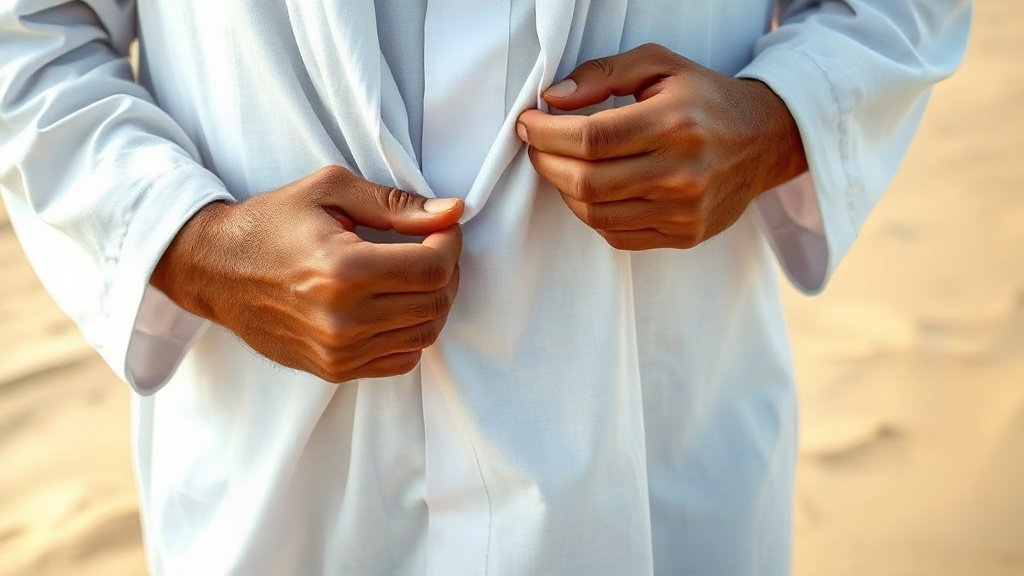
Illustration: AI-generated image
The thobe is the ankle-length robe worn by men across the Arabian Peninsula, a garment that blends practicality with strong cultural identity. Known by several names depending on the country, it is a daily uniform and a symbol of heritage.
What is a thobe?
A thobe is a long-sleeved, loose-fitting robe that falls to the ankles. It is traditionally made from cotton or a cotton-polyester blend, chosen for breathability in the Gulf's hot climate. The design is simple: a straight cut with side slits for ease of movement, and a round or stand-up collar. Most thobes are white or off-white, reflecting sunlight and projecting a clean, formal appearance.
Regional names and subtle variations
While the garment is called a thobe or thawb in Saudi Arabia, Kuwait and Bahrain, it is known as a dishdasha in Oman and Iraq, and a kandura in the United Arab Emirates. Despite the different names, the core design is strikingly similar. Local distinctions are often found in the details: Omani dishdashas, for example, frequently feature a tassel known as a furakha hanging from the collar, and may have a more fitted silhouette. Emirati kanduras often have a plain round neckline and a more relaxed cut, while Saudi thobes can feature a buttoned placket and a slightly higher collar.
Fabrics and colours for every season
White and off-white are the most common colours, worn throughout the year but especially in the hotter months. In winter, many men switch to darker shades such as grey, beige, olive or light blue. Heavier fabrics like wool blends are chosen for cooler evenings. The weight of the fabric also varies: lightweight cotton voile is favoured in summer, while brushed cotton or flannel thobes are common in winter. Some men prefer fabrics with a slight sheen for evening wear.
Everyday wear and formal occasions
The thobe is worn daily by many Gulf men, from the office to the mosque to social gatherings. For formal events such as weddings, Eid celebrations or official functions, the thobe is often paired with a bisht, a flowing outer cloak that adds a layer of prestige. The collar and cuffs of a formal thobe may feature subtle embroidery, often in the same colour as the fabric. A well-pressed thobe with a crisp collar and sharp creases is considered a mark of good grooming.
How it is worn and accessorised
The thobe is typically worn with a head covering: a ghutra or shemagh (a square scarf) held in place by an agal (a black cord). On the feet, open sandals or leather slip-ons are common. Under the thobe, men wear lightweight trousers and a sleeveless undershirt. The thobe itself is loose enough to allow air circulation, and the side slits prevent restriction when walking or sitting.
Caring for a thobe
Because white thobes are prone to stains and yellowing, many households send them to a professional laundry for heavy-duty cleaning and pressing. At home, a gentle wash with a mild detergent and occasional use of a whitening agent helps maintain brightness. Ironing is essential; a heated iron with steam gives the crisp finish that is expected in professional and formal settings. Thobes are usually hung on wide hangers to preserve their shape.
Where to find one
Thobes are widely available in traditional souks and dedicated men's clothing shops across the Gulf. Many men also have thobes custom-tailored, choosing fabric, collar style and embroidery to their preference. A well-made thobe can last for years, making it a practical and meaningful addition to any wardrobe.
Whether worn as a daily uniform or reserved for special occasions, the thobe remains a proud symbol of Gulf culture, blending tradition with modern comfort.