The Bisht: A Guide to the Gulf's Traditional Cloak of Elegance
Discover the bisht, the flowing outer cloak worn by men across the Arabian Gulf for weddings, graduations and official ceremonies. Learn about its history, styles and significance.
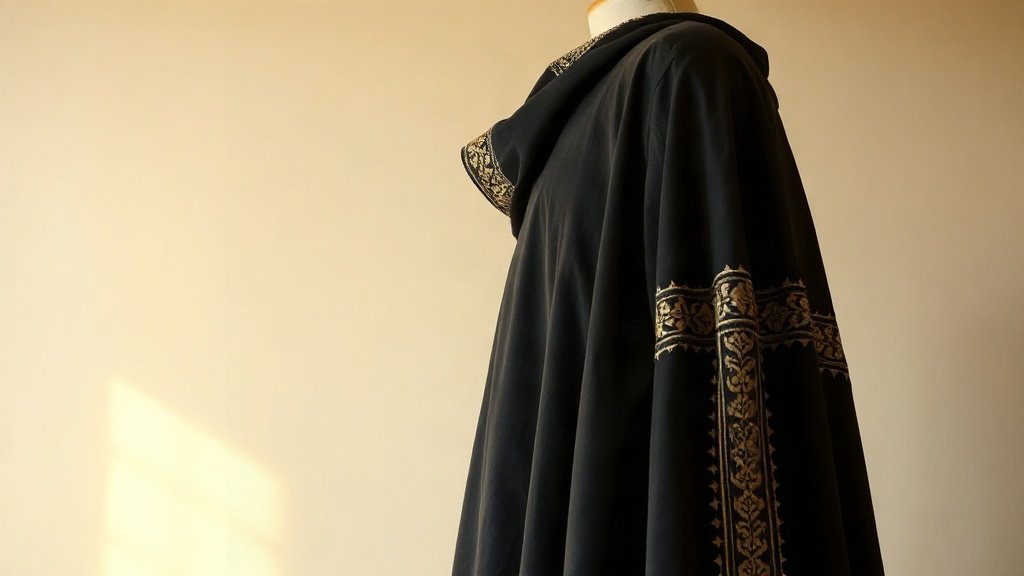
Illustration: AI-generated image
Across the Arabian Gulf, few garments carry the same air of distinction as the bisht. This flowing, sleeved outer cloak is worn over the traditional white thobe, instantly elevating the wearer for occasions of importance. Whether at a wedding, a graduation ceremony or a formal state event, the bisht signals respect, celebration and a deep connection to Gulf heritage.
What is a Bisht?
The bisht is a loose, open-front cloak made from lightweight fabric, traditionally wool or camel hair, and often lined with silk or cotton. It is distinguished by its decorative trim, known as zari, which is usually gold or silver thread embroidered along the edges, collar and front opening. The cloak falls to the ankles and is designed to be worn over the thobe, providing both warmth in cooler months and an air of formality all year round.
A Garment of Status and Ceremony
Historically, the bisht was associated with wealth and leadership, worn by rulers, scholars and tribal chiefs. Its fine materials and intricate embroidery were indicators of status and prestige. Today, the bisht remains a garment of ceremony rather than everyday wear. It is most commonly seen at weddings, where the groom wears a bisht over his thobe, and at official functions, graduations and religious celebrations such as Eid. Passing a bisht to someone can be a gesture of honour, such as when a leader drapes his own bisht over the shoulders of a distinguished guest.
Styles and Materials
The bisht is made in a range of colours, though black, brown, beige and cream are the most traditional. In the cooler months, heavier wool blends are preferred, while lighter summer bishts may be made from fine cotton or a wool-silk mix. The zari embroidery varies too: some bishts have a simple border, while others feature elaborate patterns along the edges and across the upper back. The style of the collar and the width of the sleeves can also differ, with regional variations across the Gulf states.
When to Wear a Bisht
- Weddings: The groom traditionally wears a bisht over his wedding thobe, and male guests often do the same.
- Graduations: Students may wear a bisht over their academic gown or formal attire at university ceremonies.
- Official ceremonies: Diplomats, ministers and business leaders often don the bisht for state functions and high-level meetings.
- Religious holidays: On Eid mornings, many men choose to wear a bisht for prayers and family gatherings.
- Formal family occasions: Engagements, milestone birthdays and other family celebrations are also fitting moments.
Caring for a Bisht
Because of the delicate embroidery, a bisht should be dry-cleaned rather than washed at home. Store it on a wide hanger to maintain the shape of the shoulders, and keep it in a breathable garment bag to protect the fabric from dust and moisture. With proper care, a quality bisht can last for decades and may be passed down through generations as a family heirloom.
In a region that values tradition and hospitality, the bisht remains a powerful symbol of honour and celebration. Understanding its place in Gulf culture offers a deeper appreciation for the elegance woven into every thread.