The Saluki: A Guide to the Gulf's Traditional Hunting Dog
Learn about the saluki, the elegant sighthound that has been a loyal hunting companion in the Gulf for thousands of years, and its enduring cultural role.
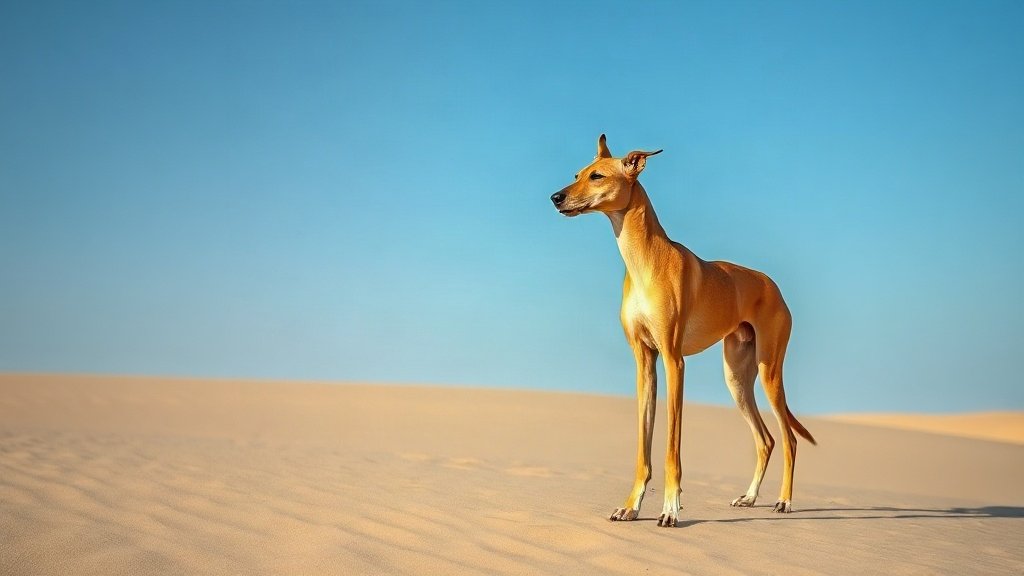
Illustration: AI-generated image
Across the deserts of the Gulf, one animal has been a constant companion to Bedouin tribes for millennia: the saluki. This elegant sighthound, known for its incredible speed and gentle nature, holds a special place in the region's cultural heritage. Unlike most dogs, which are often viewed with caution in Islamic tradition, the saluki is celebrated and respected.
A History Woven into the Desert
The saluki is among the oldest domesticated dog breeds, with evidence of its existence dating back over 5,000 years. Historical records and ancient artwork from Mesopotamia and Egypt show dogs strikingly similar to today's saluki. The breed was developed by nomadic tribes across the Arabian Peninsula, who needed a hunting partner capable of chasing down swift prey like gazelle and hare in harsh desert conditions.
For Bedouin families, the saluki was more than a working animal; it was a member of the household. Unlike other dogs, salukis were allowed to live inside tents and were often given names and treated with great affection. This close bond is reflected in the breed's temperament: salukis are known to be loyal, sensitive and deeply attached to their human companions.
Role in Traditional Gulf Life
In the Gulf, salukis were primarily used for hunting alongside falcons. The falcon would strike prey from the air, while the saluki would run it down on the ground. This partnership required a dog of exceptional speed, sight and stamina. Salukis can reach speeds of up to 68 kilometres per hour, making them one of the fastest dog breeds in the world.
The saluki's value was so high that Bedouin tribes would travel great distances to acquire a well-bred dog. Certain bloodlines were carefully preserved and passed down through generations. The breed's purity was a matter of pride, and its pedigree was often recited from memory, much like the lineage of prized horses or camels.
Care and Training
Salukis are not typical dogs; they require dedicated care and an understanding of their unique nature. They are intelligent but independent, and training requires patience and a gentle approach. Harsh commands or rough handling will not work with this sensitive breed. Instead, positive reinforcement and consistent routines help build trust.
Daily exercise is essential, as salukis have high energy levels and a strong prey drive. A securely fenced area is a must, as they will chase any small animal that darts across their path. Socialisation from a young age is also important to ensure they grow into well-adjusted adults. In the Gulf's hot climate, walks should be taken during the cooler parts of the day to prevent overheating.
Grooming is relatively easy, as the breed has two coat varieties: smooth and feathered. Both shed minimally but benefit from a weekly brush. Their thin skin and low body fat mean they are sensitive to cold, so they may need a coat in artificially chilled environments.
The Saluki in Modern Times
While traditional hunting has declined, the saluki remains a beloved breed in the Gulf. Many families keep salukis as companions, and the breed is a common sight at dog shows and cultural events. Organisations dedicated to preserving the breed's heritage work to maintain bloodlines and educate the public about its significance.
Owning a saluki today means honouring a deep cultural legacy. For those willing to invest time and care, the saluki offers a unique combination of grace, loyalty and a living connection to the Gulf's Bedouin past.