How to Make Labneh at Home: The Gulf's Creamy Yoghurt Cheese
Labneh is a thick, tangy yoghurt cheese that appears on breakfast tables across the Gulf. Learn how to make it at home with just a few simple steps.
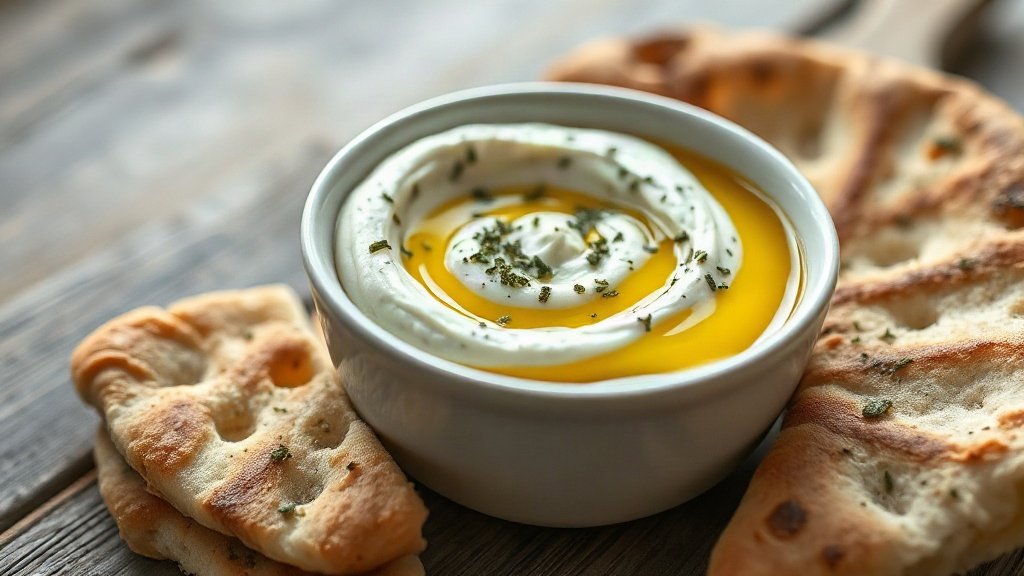
Illustration: AI-generated image
Labneh is a staple on breakfast tables across the Gulf, a thick and tangy yoghurt cheese that pairs perfectly with warm bread, olive oil and fresh herbs. While you can buy it in any supermarket, making labneh at home is surprisingly simple and requires only two ingredients: good-quality yoghurt and a little salt. The process is centuries old and relies on nothing more than time and gravity to transform runny yoghurt into a rich, spreadable cheese.
What is labneh?
Labneh is made by straining yoghurt to remove most of its whey, leaving behind a thick, creamy product with a consistency somewhere between Greek yoghurt and soft cheese. In the Gulf, it is often served as part of a traditional breakfast or light supper, drizzled with olive oil and sprinkled with za'atar or dried mint. It can also be rolled into small balls and preserved in olive oil for a longer shelf life.
Ingredients and equipment
You will need:
- 1 kg full-fat plain yoghurt (avoid Greek yoghurt as it is already strained)
- 1 teaspoon salt
- A large bowl
- A clean muslin cloth, cheesecloth or a fine-mesh sieve
- String or a rubber band
Step-by-step method
Start by stirring the salt into the yoghurt until fully dissolved. Line a large sieve with the muslin cloth and place it over a bowl to catch the whey. Pour the salted yoghurt into the cloth, then gather the corners and tie them together with string or a rubber band to form a pouch. Hang the pouch over the bowl, either from a kitchen tap or a cupboard handle, ensuring the bottom of the pouch is clear of the collected whey. Leave it to strain in the refrigerator for 12 to 24 hours, depending on how thick you like your labneh. For a soft, spreadable texture, 12 hours is enough; for a firmer cheese that can be rolled into balls, leave it for a full day.
Once strained, transfer the labneh to a clean container and store it in the refrigerator. It will keep for up to a week. The leftover whey can be used in baking or discarded.
How to serve labneh in the Gulf
Labneh is incredibly versatile. For a classic Gulf breakfast, spread it thickly on fresh khubz or pita bread and top with olive oil and za'atar. You can also serve it alongside sliced cucumbers, tomatoes and olives, or use it as a dip for raw vegetables. For a more elaborate presentation, roll spoonfuls of the thicker labneh into small balls, place them in a jar, cover with olive oil and add a few dried chillies or herbs. These preserved labneh balls can be kept for several weeks and make a lovely addition to a mezze platter.