How to Rent a Home in the Gulf: A Practical Guide for Expats and Locals
Renting a home in the Gulf follows a well-established pattern, from viewing to signing the tenancy contract. This guide covers the key steps to help you find a place that suits your needs.
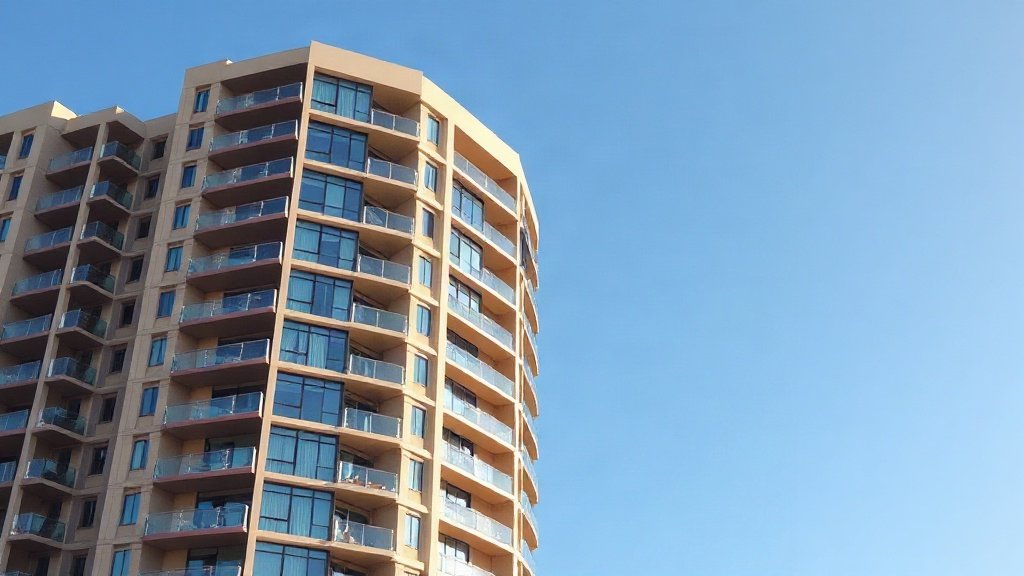
Illustration: AI-generated image
Finding the right home is one of the first big steps when you move to the Gulf, and whether you are an expat arriving for work or a local looking for a new place, the rental process follows a familiar pattern across the region. With a little preparation, you can navigate the market with confidence and settle into a home that suits your lifestyle.
Where to Start
Most people begin their search by deciding on a preferred area, based on proximity to work, schools, or family. Residential neighbourhoods in the Gulf vary widely, from high-rise apartment towers to sprawling villa compounds, and each offers a different pace of life. Once you have a shortlist of areas, you can view properties through licensed real estate agents or by contacting landlords directly if you see a 'for rent' sign.
It is helpful to visit at different times of day to check traffic, noise levels, and sunlight. Also consider the building's amenities, such as parking, security, and maintenance services, as these can make a big difference to daily comfort.
Understanding the Tenancy Contract
Residential leases in the Gulf are typically for one year and renewable by mutual agreement. The contract will state the rent, payment schedule (usually in one to four instalments), and the responsibilities of both tenant and landlord. Read it carefully before signing, and do not hesitate to ask for clarification on any clause.
A security deposit is normally required at the start of the tenancy, refundable at the end if the property is returned in good condition, subject to fair wear and tear. Some contracts include utility charges, while in others the tenant pays for water, electricity, and cooling separately. Make sure you know which applies to your home.
Key Documents You'll Need
To sign a tenancy contract, you will need to provide proof of identity, such as a passport and residency visa for expats, or a national ID for citizens. You may also be asked for proof of income or an employment letter, and a copy of your Emirates ID or local equivalent if applicable. Keep these documents ready to speed up the process.
In many Gulf countries, tenancy contracts must be registered with the relevant municipality or real estate regulatory authority. This registration protects both parties and is often required for utility connections and visa renewals.
Tips for a Smooth Move
- Inspect the property thoroughly before signing, and note any existing damage in writing with photos.
- Clarify who is responsible for maintenance and repairs during the tenancy.
- Ask about the notice period for ending the lease, usually 60 to 90 days.
- Check if the rent includes parking spaces or if you need to arrange separately.
- Confirm the process for renewing the contract and whether the rent can increase at renewal.
With these steps in mind, renting in the Gulf can be a straightforward and positive experience. Take your time, ask questions, and soon you will have a comfortable place to call home.