The Majlis: A Practical Guide to the Gulf's Traditional Gathering Space
Discover the heart of Gulf hospitality — the majlis, a welcoming room where guests are received with coffee, dates and conversation. Here's what to expect and where visitors can experience this timeless tradition.
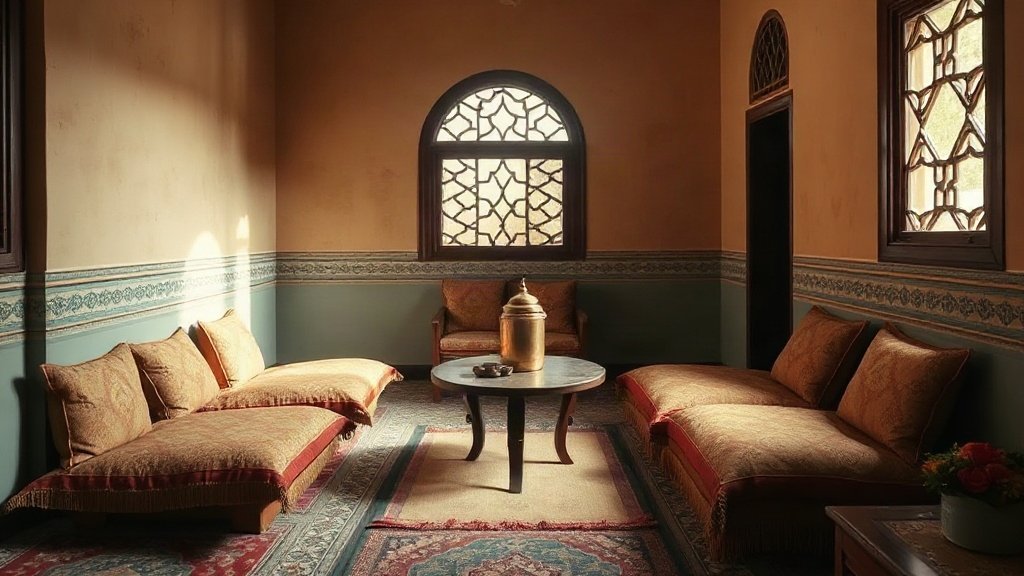
Illustration: AI-generated image
The majlis is the beating heart of social life across the Gulf. This traditional reception room, found in homes, palaces and community buildings, is where friends, family and neighbours gather to talk, share news and welcome guests. For visitors, understanding the majlis opens a door to the region's deep-rooted culture of hospitality.
What is a majlis?
The Arabic word majlis literally means "a place of sitting." Traditionally, it is a separate room or area in a home, often with its own entrance, furnished with carpets and cushions arranged along the walls. Low seating encourages face-to-face conversation, while a central area may hold a coffee pot or incense burner. In many older homes, the majlis was the largest room, reflecting its importance as a space for receiving guests and conducting community affairs.
The role of the majlis
Historically, the majlis served as a gathering place for discussion, decision-making and dispute resolution. Tribal leaders, merchants and elders would meet to deliberate on matters affecting the community. Today, it remains a place where bonds are strengthened over cups of gahwa (Arabic coffee) and plates of dates. It is also where major life events are celebrated, condolences are offered, and travellers are welcomed. The majlis embodies the Gulf value of karam — generosity and hospitality.
What happens in a majlis?
When you enter a majlis, you will typically be greeted warmly and offered a seat on the floor cushions. A host or server will then pour small cups of Arabic coffee from a traditional dallah pot. The coffee is lightly spiced with cardamom and sometimes saffron. Dates are often served alongside. Conversation flows easily, and guests are expected to stay for at least a short while. Incense, such as oud or bakhoor, may be passed around, its fragrant smoke adding to the atmosphere of welcome.
Majlis etiquette for visitors
Visitors are always received with respect, but a few simple customs will help you feel at ease:
- Greetings: A handshake and a warm "As-salamu alaykum" (peace be upon you) is appropriate. Respond with "Wa alaykum as-salam" (and upon you be peace).
- Shoes: Remove your shoes before stepping onto the carpets unless your host indicates otherwise.
- Seating: Sit cross-legged or kneel; avoid pointing the soles of your feet at others.
- Coffee: Accept the small cup with your right hand. The cup is often filled only a third full. You may have one, two or three cups; to indicate you have had enough, gently shake the empty cup from side to side when handing it back.
- Conversation: Topics are usually light and welcoming. Avoid sensitive subjects and let your host guide the discussion.
Where to experience a majlis
Even if you are not invited to a private home, there are many places across the Gulf where you can step inside a traditional majlis. Cultural centres in Dubai, Abu Dhabi, Doha and Muscat often host majlis sessions for visitors, where you can enjoy coffee, dates and conversation with local guides. Several museums and heritage villages, such as those in the Al Fahidi Historical Neighbourhood in Dubai or Souq Waqif in Doha, have beautifully reconstructed majlis rooms open to the public. Some hotels and cultural foundations also offer majlis experiences as part of their hospitality programmes.
The majlis is not just a room; it is a living tradition that continues to shape social interaction in the Gulf. Taking part, even briefly, offers a genuine insight into the region's culture of warmth, respect and community.