Al Ain Oasis: A Practical Guide to the UAE's Green Heart
Discover the cool shade of 147,000 date palms, ancient falaj irrigation channels and peaceful walking trails in this UNESCO-listed desert oasis.
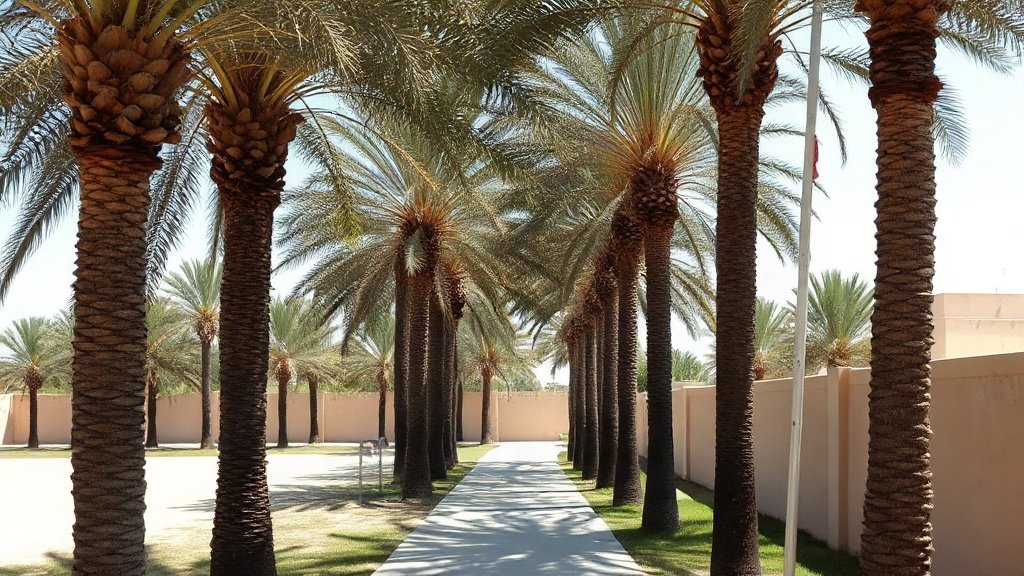
Illustration: AI-generated image
Just over an hour's drive from Abu Dhabi and Dubai, Al Ain Oasis offers a striking contrast to the glass towers of the modern Emirates. This 3,000-acre patchwork of date palm groves has been cultivated for thousands of years, earning it a place on UNESCO's World Heritage list as part of the Cultural Sites of Al Ain. For visitors, it is a rare chance to step into the region's agricultural past while strolling along cool, shaded pathways.
A Green Island in the Desert
The oasis is fed by a traditional falaj irrigation system, an ingenious network of underground and surface channels that taps into groundwater and distributes it by gravity. This ancient technology, still in use today, sustains more than 147,000 date palms as well as fruit trees and small farm plots. Walking through the oasis, you will hear the gentle trickle of water and see farmers tending their crops, exactly as their ancestors did.
Exploring the Oasis
A series of well-marked, shaded walking trails wind through the palm groves, offering a peaceful escape from the desert heat. The main trail is about 2.5 kilometres long and can be completed in under an hour at a leisurely pace. Along the way, interpretive signs explain the history of falaj irrigation, date cultivation and the oasis ecosystem. There is also an eco-centre with interactive exhibits and a viewing platform that provides a panoramic view of the palm canopy.
The oasis is particularly atmospheric in the late afternoon, when the sun filters through the fronds and the temperature begins to drop. Early mornings are cool and quiet, ideal for birdwatchers—look out for doves, bulbuls and occasionally a flash of a green bee-eater.
Practical Tips for Visitors
Dress comfortably and modestly; loose, breathable clothing and comfortable walking shoes are best. Bring a hat, sunglasses and plenty of water, even though much of the trail is shaded. The paths are flat and suitable for all fitness levels, but there is little seating along the way, so plan for a steady walk.
Photography is generally permitted, but be respectful of farmers and avoid taking close-up photos of people without permission. The oasis is open to visitors throughout the day, and entry is free, though the eco-centre may have its own hours.
Getting There and Nearby Attractions
Al Ain Oasis is located in the centre of Al Ain city, close to Al Ain Palace Museum and Al Ain National Museum. It is easily reached by car from both Abu Dhabi (about 150 km) and Dubai (about 120 km); public buses also connect Al Ain with both cities. Once inside the oasis, everything is within walking distance, and there are several entrances, with the main one near the eco-centre.
While you are in Al Ain, consider visiting other parts of the same UNESCO listing, such as the Bronze Age tombs at Hili Archaeological Park or the nearby Al Ain Palace Museum, the former residence of the UAE's founding father. Together, they offer a deeper understanding of the region's long history and its connection to the land.
Al Ain Oasis is a reminder that the UAE's heritage is not only about oil and rapid development—it is rooted in careful stewardship of scarce water and the cultivation of life in a harsh environment. For travellers seeking a quieter, greener side of the Emirates, it is a journey well worth making.