The Majlis: A Guide to the Gulf's Traditional Gathering Space
Learn about the majlis, the heart of Gulf hospitality and community life, where friends, family and neighbours gather to talk, share coffee and make decisions.
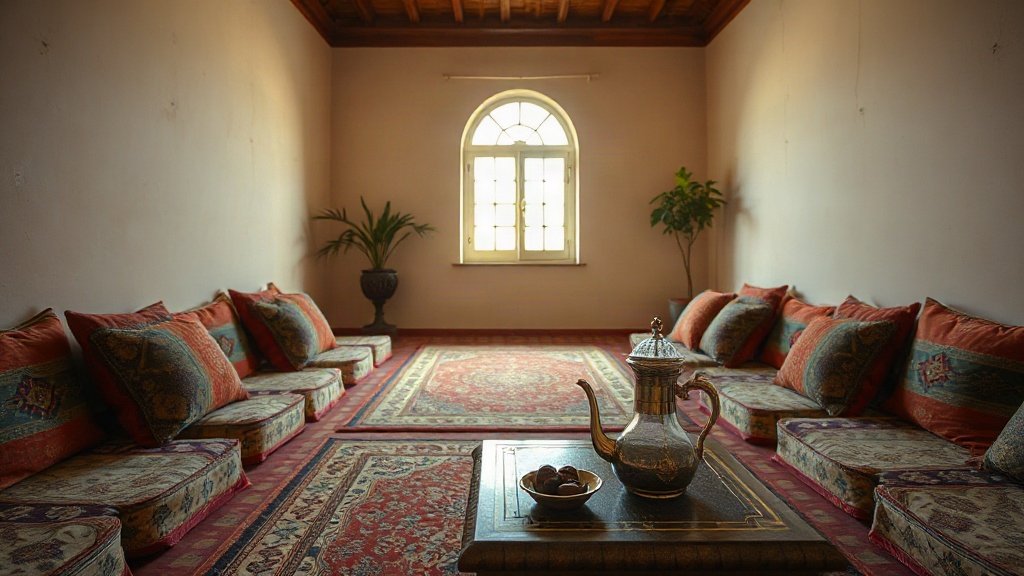
Illustration: AI-generated image
In Arabic, majlis means “a place of sitting”. It is a special room or separate area in a Gulf home, or sometimes a tent, where people gather to socialise, welcome guests, and discuss matters of the day. The majlis is much more than a living room; it is the beating heart of community life across the Arabian Peninsula.
The design of a traditional majlis
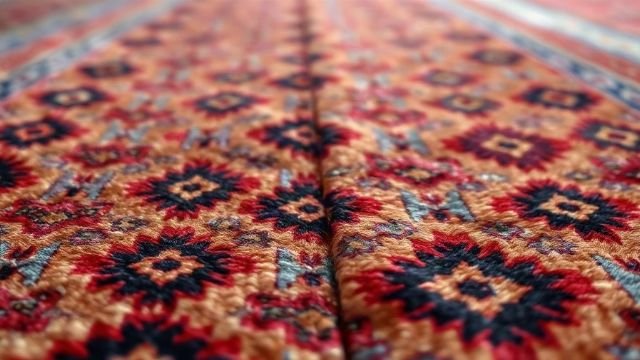
Traditionally, a majlis is separate from the main family living quarters, often with its own entrance from outside. This allows male guests to visit without entering the private part of the home, respecting the family's privacy. Inside, the floor is usually covered with carpets, and along the walls are long, cushioned seats called “masanad” or floor cushions. Guests sit cross-legged or lean against the bolsters. Low tables may hold coffee pots, dates and incense burners. The room is often decorated with geometric patterns, calligraphy or woven textiles, creating a warm and welcoming atmosphere.
A space for hospitality and conversation
The majlis is central to Gulf hospitality. When a guest arrives, they are welcomed with Arabic coffee (gahwa) served in small cups, often accompanied by dates. The coffee is poured from a traditional pot called a dallah, and the cup is only half-filled to allow for more. Refusing coffee is polite only after shaking the cup gently from side to side. Conversation flows easily, touching on family news, local events, poetry, business and sometimes matters of community importance. In the past, tribal leaders and elders would hold council in the majlis, listening to people's concerns and resolving disputes. Today, this tradition continues in many families, and some communities even have public majlises for local gatherings.
Modern majlis: traditions adapted
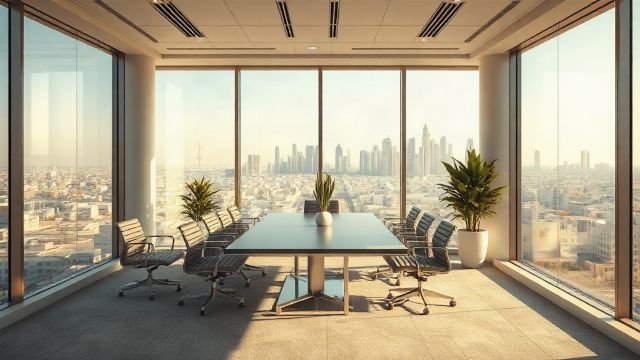
While the essence of the majlis remains, its design has evolved. Many modern homes in the Gulf feature a majlis with contemporary furniture, yet the layout still encourages face-to-face interaction. Some majlises include a separate area for women, as gatherings for women and men are often separate. Young people also use the majlis for socialising, and some businesses have adopted the majlis style for meeting rooms to create a more relaxed, collaborative atmosphere. During Ramadan, the majlis is especially lively after iftar, with families and friends gathering for suhoor and late-night conversations.
Visiting a majlis: what to remember
If you are invited to a majlis, there are a few customs to keep in mind. Greet everyone with a warm “As-salamu alaykum” and shake hands. Remove your shoes before stepping onto the carpets. Sit in the place indicated or follow the lead of others; the most senior guests usually sit closest to the host. Accept coffee when offered, and if you have had enough, signal by gently tilting your cup from side to side. Avoid pointing the soles of your feet at others, and be mindful of modesty in dress and demeanour. Above all, enjoy the conversation and the sense of shared time.
The majlis is a living tradition that reflects the Gulf's values of community, respect and hospitality. Whether in a traditional home or a modern villa, it remains a cherished space where stories are shared and bonds are strengthened.